

Improve reservoir access, completion efficiency, and inflow with engineered perforating systems designed for complex well conditions
Talk to an expertOperators must establish effective flow paths between the wellbore and reservoir while managing completion costs, limited rig time, and complex downhole conditions. Halliburton perforating services combine engineered perforating systems, reliable conveyance methods, and application-specific design to support target zone access and reservoir connectivity. These services address conventional, unconventional, horizontal, and high-pressure, high-temperature wells. Each solution considers well conditions, completion objectives, and operational requirements before execution.
Perforating design influences how fluids enter the well and how effectively stimulation treatments reach the formation. The appropriate shot density, shot phasing, penetration profile, and conveyance method can help create clean perforation tunnels, limit formation damage, and improve inflow. This engineered approach gives asset teams a clearer path from completion design to production.
Misfires, perforating failures, and poor depth correlation can add non-productive time and increase completion costs. Perforating systems that integrate guns, perforating charges, firing systems, and surface verification help crews confirm system status and execute each stage with greater control.
Halliburton offers modular and oriented perforating guns for diverse completion designs. Addressable perforating technology supports system checks before deployment, while electronic firing options add control in complex operations. Low-debris configurations can also reduce perforation debris that may restrict flow or interfere with later completion activity.
Long horizontal laterals and high stage counts place added pressure on plug-and-perf operations. Repetitive surface tasks, equipment coordination, and pump-down variability can increase operational complexity and extend stage time.
Perforating automation connects surface equipment, wireline operations, and real-time data to support more consistent execution. The OCTIV® Auto Pumpdown™ service coordinates fluid pumps and the wireline unit through a closed-loop system. Pump down advisor uses surface and downhole information to support pump-down perforating decisions. These capabilities help teams reduce manual touchpoints and maintain an efficient stage sequence.
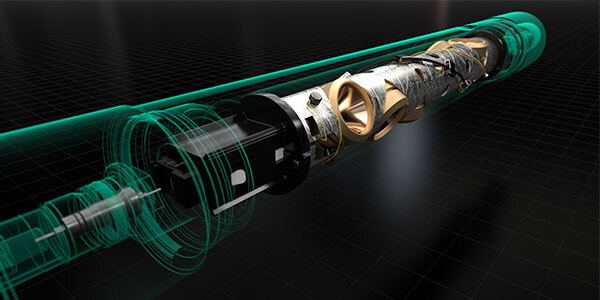
Velocity perforating gun system’s modular design provides safe, efficient, and reliable operations.
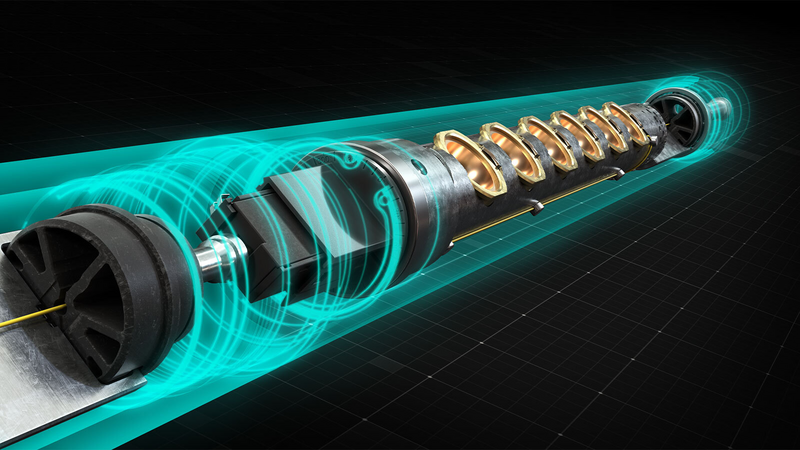
Velocity Revolve+™ guns are the industry's most accurate, compact, and versatile system for orienting perforations in fiber-optic completions.
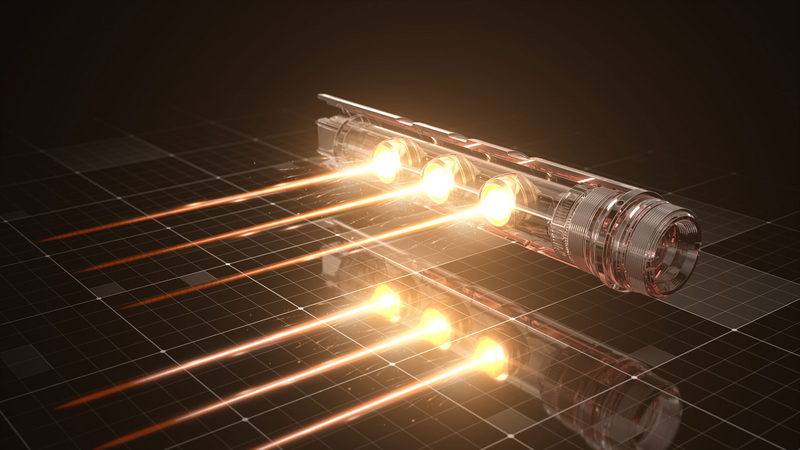
Economic, compact, and versatile system for orienting perforations in horizontal wells.
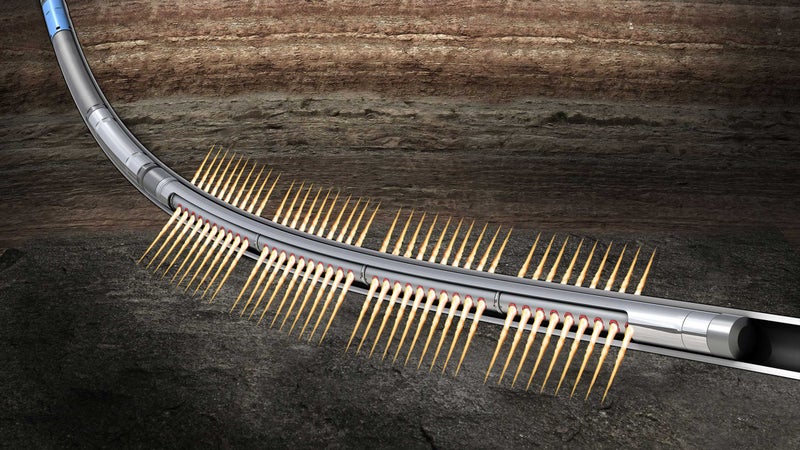
The G-Force system enables perforating in any direction regardless of gun/casing positioning.
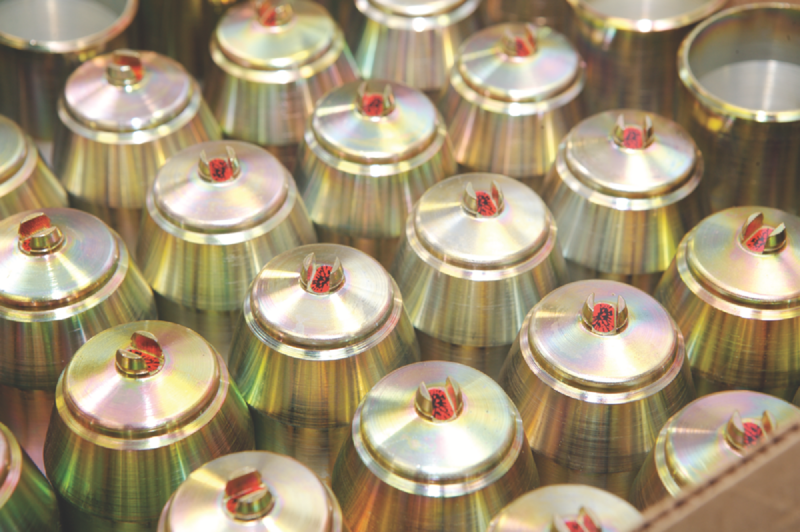
Perforate with the original consistent hole size charge designed for fracturing.

MaxForce FLOW maximizes perforating flow area in large-ID casing strings.
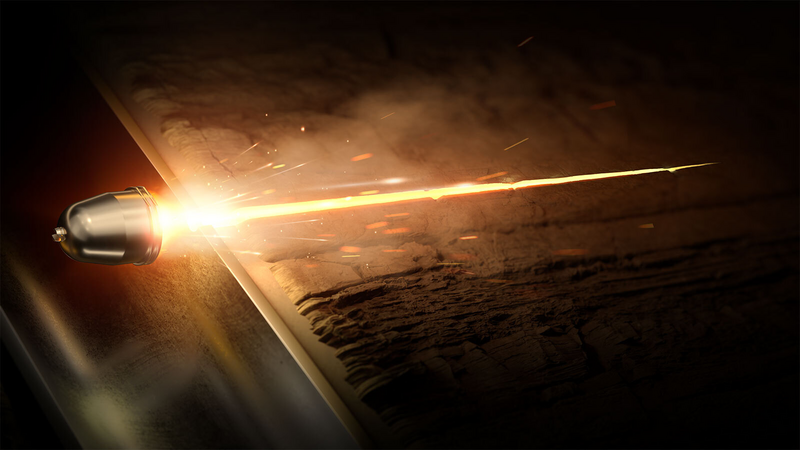
RockJet™ shaped perforating charges provide the deepest penetration in actual downhole stressed rock and maximize casing hole size to deliver the greatest possible well performance.
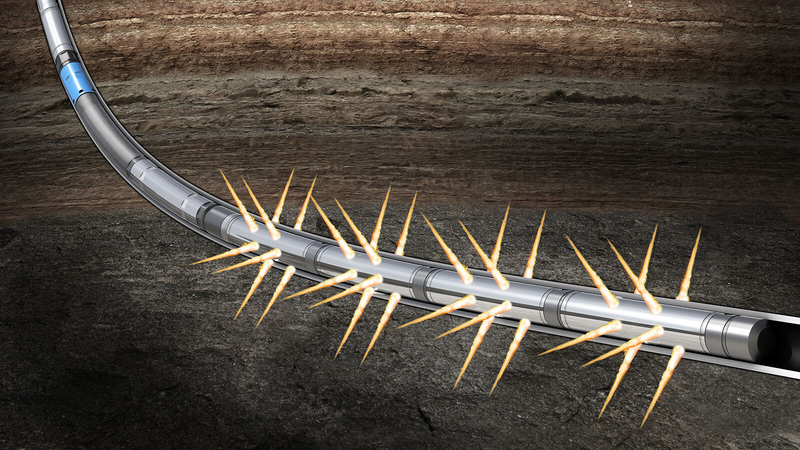
The Halliburton MaxFire® electronic firing system (EFS) has numerous built-in features that enable explosive tools to be deployed and initiated safely.
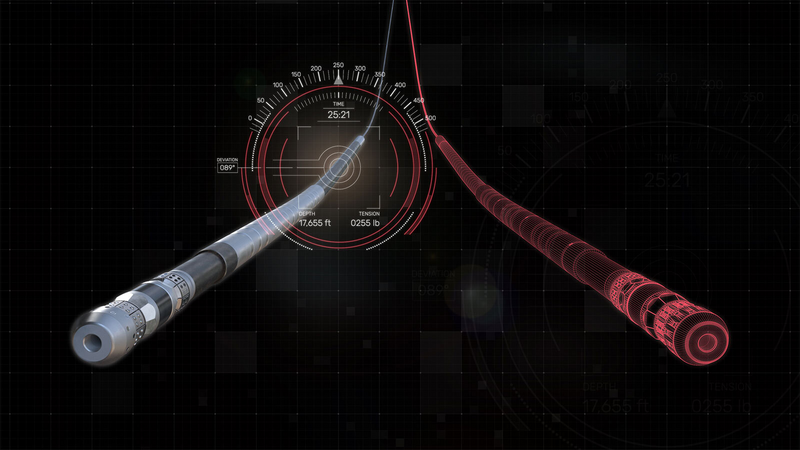
OCTIV Auto Pumpdown service controls fluid pumps and a wireline unit as a single, fully automated, closed-loop system to maximize plug and perforating performance.
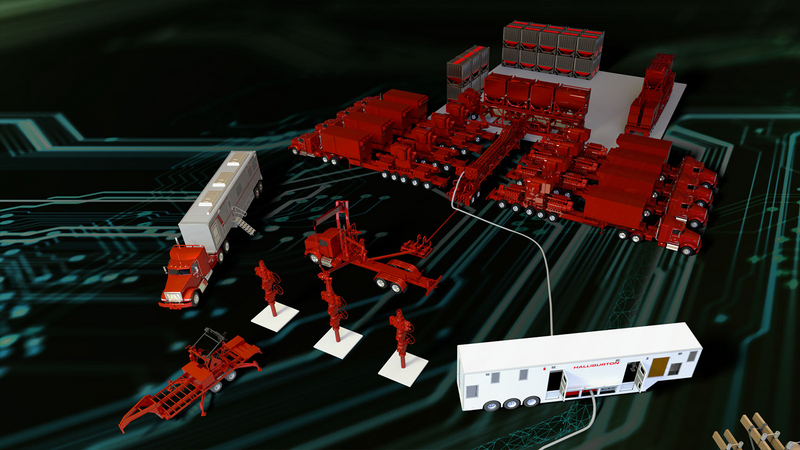
Increase pump-down perforating operational consistancy and efficiency with real-time downhole and surface data.
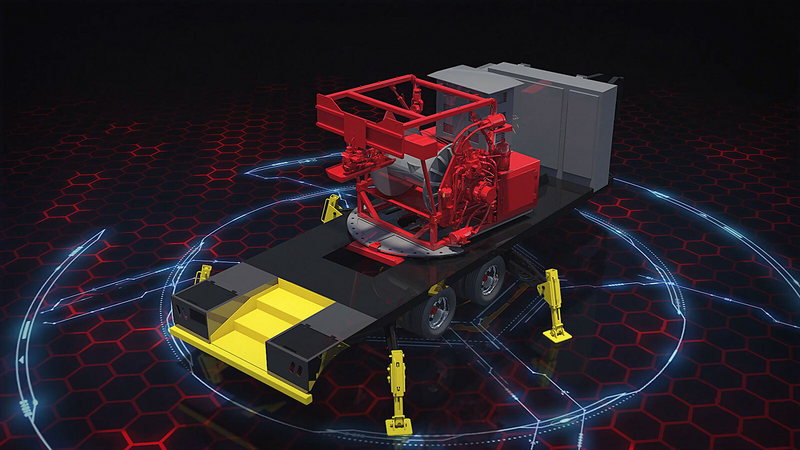
All-electric system that can be remotely operated for safety and efficiency
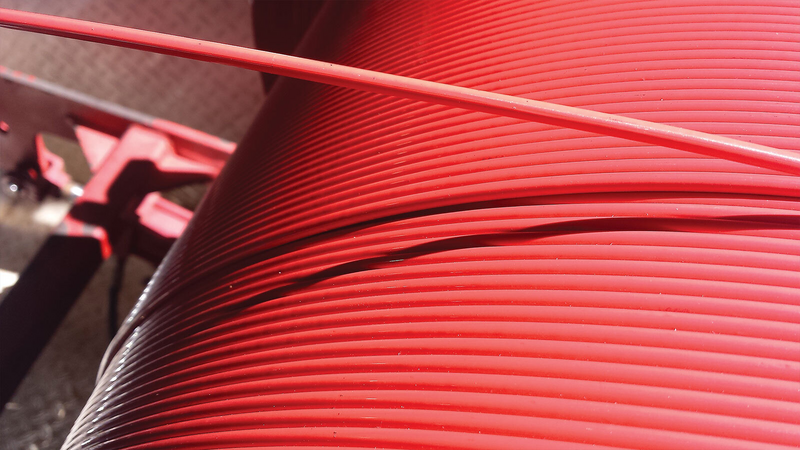
With the RELAY digital slickline system, you can improve well intervention efficiency, reduce uncertainty, and minimize environmental impact.
No single conveyance method fits every well design. Target depth, deviation, pressure, completion architecture, and available wellsite equipment influence how perforating guns reach the required interval.
Wireline perforating supports efficient deployment in many cased-hole applications, while pump-down perforating transports gun strings through horizontal laterals. Tubing conveyed perforating supports long intervals and operations that require large pressure differentials. Coiled tubing perforating and slickline perforating provide additional access options for highly deviated, horizontal, and live wells. Selecting the appropriate method can improve depth correlation, simplify logistics, and reduce exposure to operational delays.
Perforating charges must create flow paths that align with formation conditions and completion objectives. Inadequate penetration, inconsistent entrance holes, debris, and formation damage can restrict reservoir connectivity and reduce stimulation effectiveness.
Engineered perforating charges support deep penetration, controlled hole size, and application-specific flow area. Oriented perforating can place shots in a selected direction, while dynamic underbalance can support perforation tunnel cleanup after detonation. Modeling and performance testing provide additional information for perforating design without replacing field-specific engineering judgment.

