Reliable well isolation for general production, hostile environments, and cement-through operations
talk to an expertWell conditions change. Pressures fluctuate, fluids vary, and completion requirements differ by application. Operators need a tubing-retrievable subsurface safety valve that can provide dependable well isolation while fitting the demands of the well.
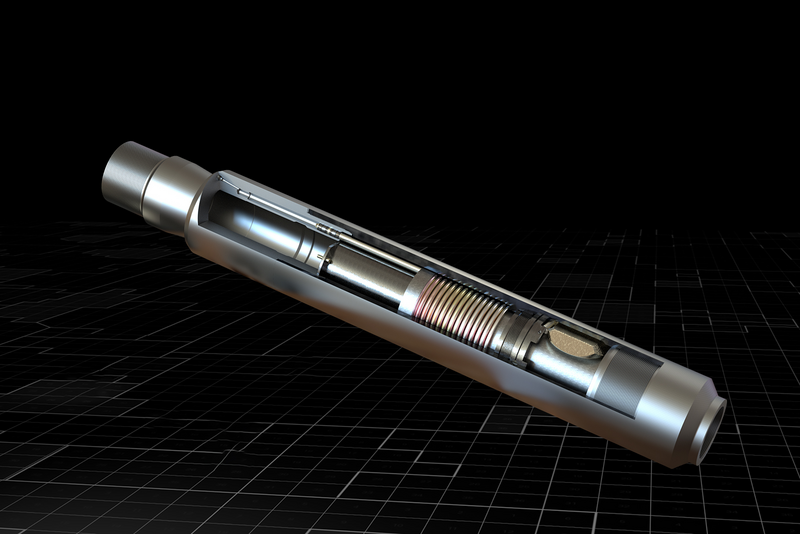
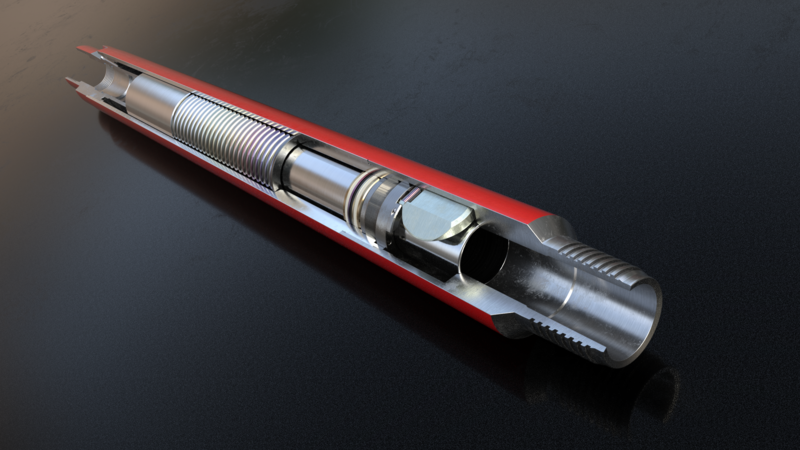
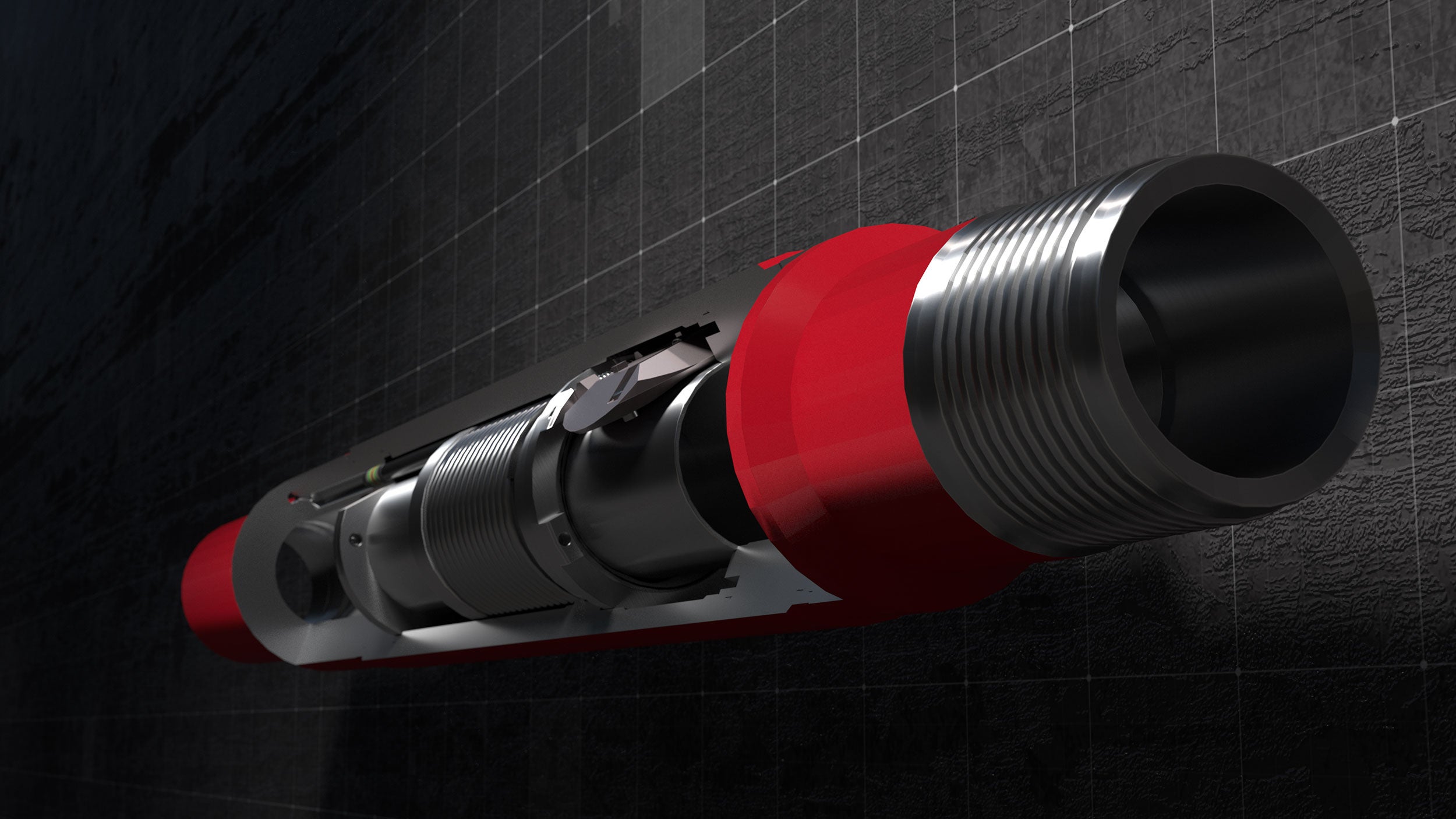
The NEXStar™ tubing-retrievable safety valve builds on the Halliburton NE™ safety valve platform and combines a nonelastomer design with hybrid sealing capability. The result is a safety valve that supports general production environments and applications that require debris management, pressure containment, or elastomer compatibility.
A safety valve must perform under conditions that can change over time. Pressure cycles, fluid exposure, and production demands can influence long-term performance.
To address these challenges, the valve combines an embedded resilient seal and metal-to-metal sealing capability. This approach supports low-pressure sealing requirements while maintaining metal-to-metal containment for applications up to 10,000 psi. Rather than relying on a single sealing method, the design addresses a broader range of operating conditions that may be encountered throughout the well life.
The hydraulic actuator uses nonelastomeric dynamic piston seals, making it suitable for environments where elastomer compatibility may be a concern. This approach helps give operators flexibility when selecting completion equipment for downhole conditions.
Debris can create problems for downhole equipment over time. When critical components become exposed, operators face additional risk and complexity during production.
A flow tube design and debris barrier help limit debris settlement and isolate critical components while the valve is open. By addressing debris as part of the design, the valve helps maintain reliable operation in environments where solids and debris are present.
An optional through-flapper equalizing feature is available for applications where applying pressure from surface is constrained.
Selecting a safety valve involves more than reviewing specifications. Operators also consider operating history, design approach, and qualification standards.
Built on the Halliburton NE™ safety valve platform, this offering incorporates a no-elastomer rod-piston actuator, hybrid sealing features, and through-flapper equalizing to address a range of operating conditions. The valve is API 14A 13th edition verified, providing a qualification benchmark for operators evaluating safety valve options as part of the completion design process.
Completion programs often require equipment that supports multiple phases of well construction and production. Safety valve selection depends on factors such as well conditions, completion design, and anticipated operating requirements.
The valve is suitable for general production completions, hostile well environments that are incompatible with elastomers, injection applications, and cement-through operations. This flexibility allows completion and well integrity teams to evaluate a single safety valve platform across multiple applications and well profiles.
When evaluating a tubing-retrievable safety valve, operators often focus on reliability, API qualification, and suitability for the intended environment. Those considerations influence safety valve selection across conventional and more demanding completion programs.
| Tubing Size (IN.) | Maximum OD (IN.) | Internal Packing Bore (IN.) | Pressure Rating (PSI) |
|---|---|---|---|
| 2 7/8 | 4.65 to 4.91 | 2.125 to 2.313 | 5,000 to 10,000 |
| 3 1/2 | 5.03 to 5.62 | 2.562 to 2.813 | 5,000 to 10,000 |
| 4 1/2 | 5.965* 6.62 to 7.35 | 3.688 to 3.813 | 5,000 to 10,000 |
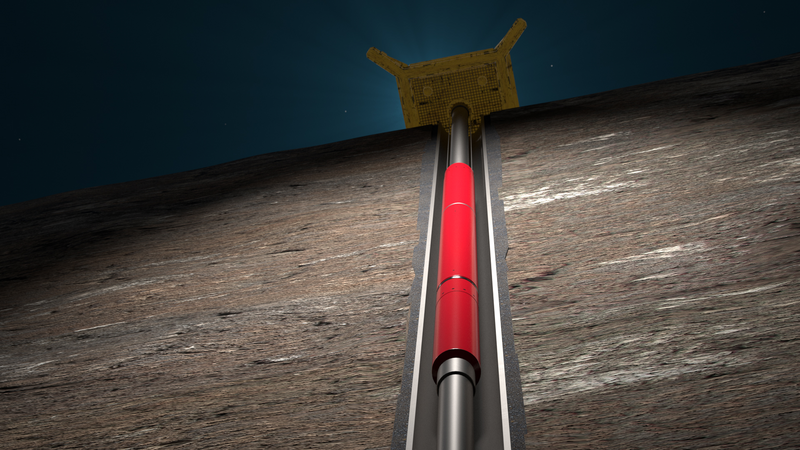
Halliburton tubing-retrievable and wireline-retrievable subsurface safety valves are a field-proven solution for operators.
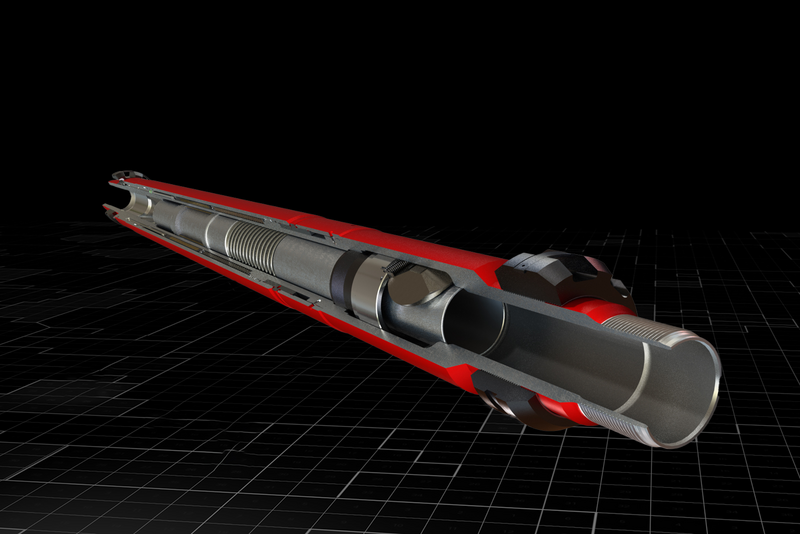
Helps to eliminate setting depth constraints, increase reliability, and reduce capex.
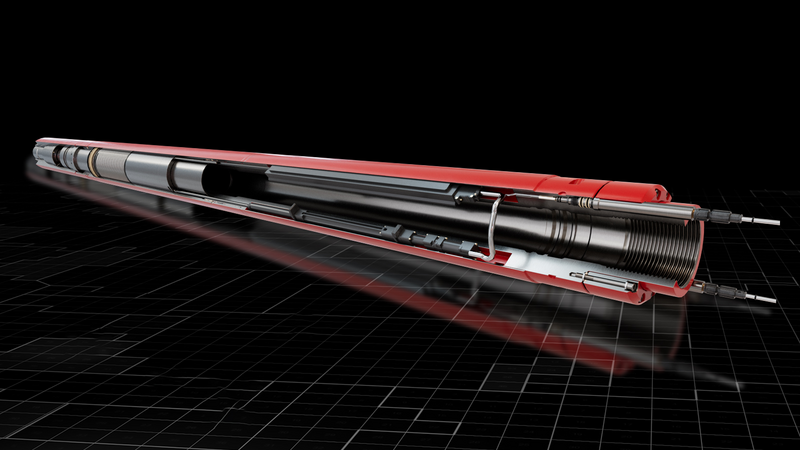
World’s first electric tubing-retrievable safety valve, enabling a fully electric completion system with zero risk of exposing electronics to wellbore fluid.
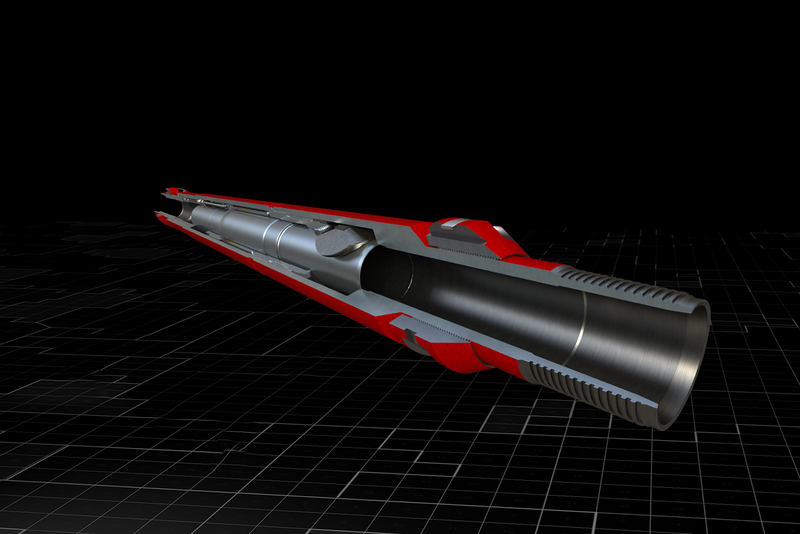
The Halliburton EquiStar® TRSV is a tubing pressure insensitive, non-equalizing, flapper-type safety valve that shuts down a well at a point below the surface.
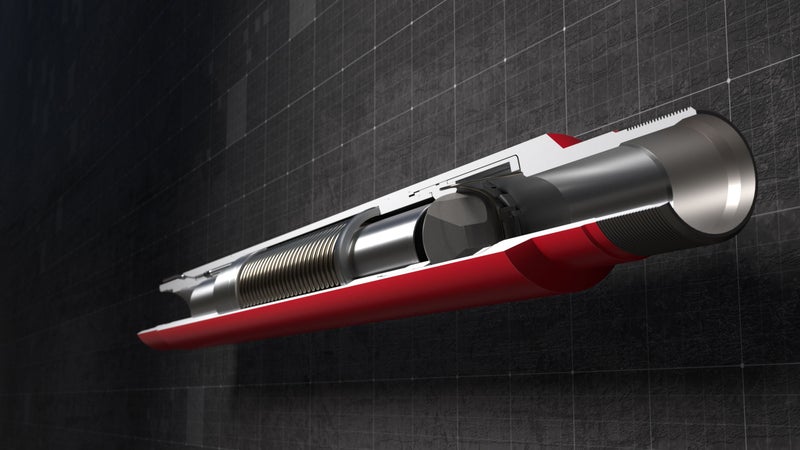
The NeoStar TRSV is a single-rod-piston, non-elastomer flapper valve for hostile environments and extended-life applications where reliability is needed.
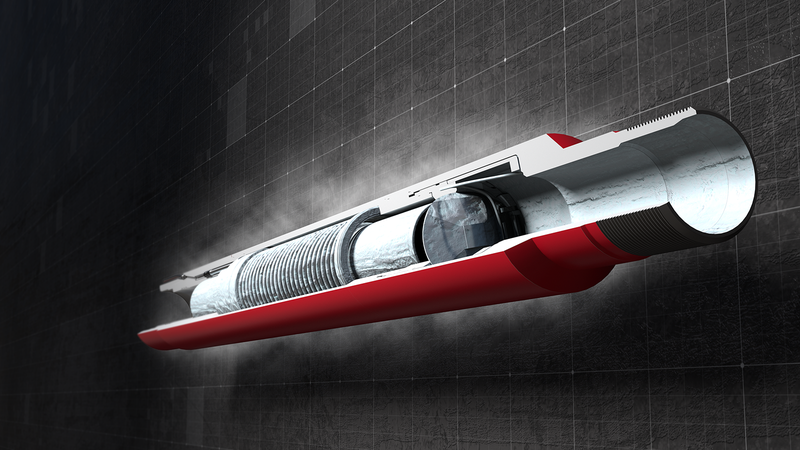
NeoStar CS TRSV retains the features of the legacy SP safety valve and is equipped with the ultralow temperature operation and survival capabilities for CCUS.