Evaluate cement and verify zonal isolation through tubing before intervention to reduce uncertainty, improve planning, and lower total abandonment cost
talk to an expertUnderstanding well conditions before intervention remains a key challenge in plug and abandonment (P&A) workflows, especially in offshore environments where cost and timing are critical. Conventional cement bond log methods require removing tubing and committing rig time before knowing whether zonal isolation is effective.
This solution provides earlier access to cement evaluation and zonal isolation insight by allowing operators to assess cement behind casing without removing tubing. It delivers timely visibility into well integrity, which helps teams reduce uncertainty before intervention planning begins.
With earlier visibility, operators can make more informed decisions about intervention scope and improve planning accuracy for wells and projects. This supports more predictable execution and stronger control of total plug and abandonment cost.
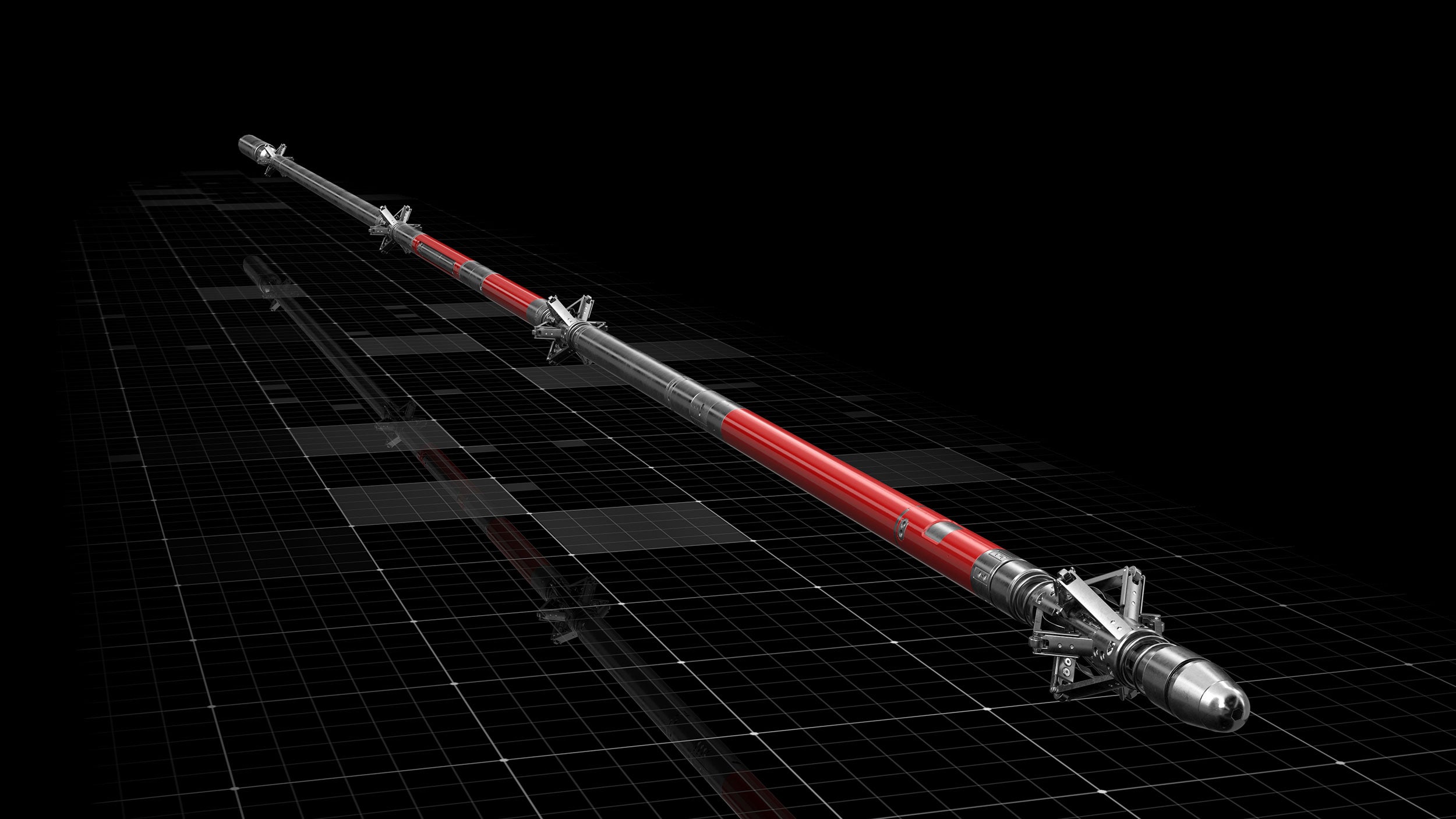
Accurate evaluation through tubing depends on gathering reliable data in complex well conditions, including multi-string designs and situations where tubing is not centered in the well. This evaluation method is built specifically for through-tubing logging and combines acoustic measurements with physics-based analysis to deliver results that are consistent and clearly understood.
Two complementary measurement methods are used together to assess cement condition behind casing. One measures how sound travels along the wellbore, while the other evaluates how it resonates within the surrounding materials. By combining these perspectives, the evaluation provides a more complete view of cement condition and improves confidence in the results.
The position of the tubing is also considered during analysis to help ensure the results reflect actual well conditions. This improves the accuracy of cement bond evaluation and strengthens the reliability of outputs such as bond index and cement maps.
For operators and technical teams, this means the results are not only reliable, but also easier to interpret and explain when making decisions about intervention scope or meeting regulatory requirements.
Confirming that cement is present is not enough for confident decision-making. Operators need to understand how cement is distributed and where isolation may be compromised.
This cement evaluation method provides azimuthal insight into cement integrity, allowing teams to identify channeling, partial bonding, and other conditions that affect zonal isolation.
By delivering a circumferential view of cement conditions, including annulus B evaluation in multi-string well designs, operators gain a clearer understanding of isolation performance.
This insight supports more precise decisions and reduces reliance on conservative assumptions. Instead of reacting after rig mobilization, operators can plan interventions earlier using data that highlights both condition and potential causes of isolation issues.
Evaluation through tubing supports offshore P&A projects by providing insight before intervention planning or rig mobilization, when decisions have the greatest impact.
This rigless cement evaluation method allows teams to assess well conditions without removing tubing or prematurely committing to a full intervention scope. It supports reduced non-productive time, simpler operations, and more efficient sequencing for wells.
It is particularly suited for mature fields and complex well designs where uncertainty around cement integrity affects planning and execution. Early access to cased hole cement evaluation data helps align technical decisions with operational priorities and cost objectives.
| Parameter | Value |
|---|---|
| Tool OD | 2.25 in. |
| Maximum pressure | 20,000 psi |
| Maximum temperature | 350°F |
| Borehole fluids | Water, oil |
| Recommended logging speed | 10 ft/min |
| Conveyance | Monoconductor or multiconductor e-line |

Halliburton cased hole logging tools give operators the measurements to optimize reservoir performance and evaluate well integrity.

Addressing the toughest issues in well intervention, Halliburton offers services to extend well life, improve performance, and limit downtimes
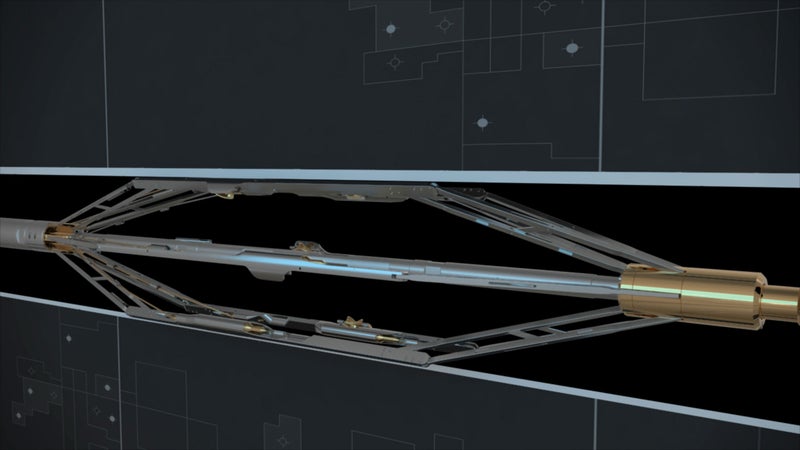
Accurate production profiling information for critical well decisions.
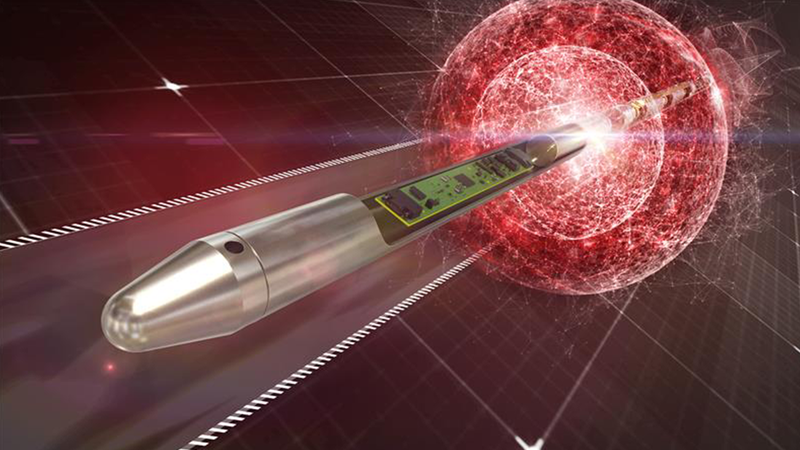
Monitor reservoirs to increase production, improve recovery, and find bypassed pay.
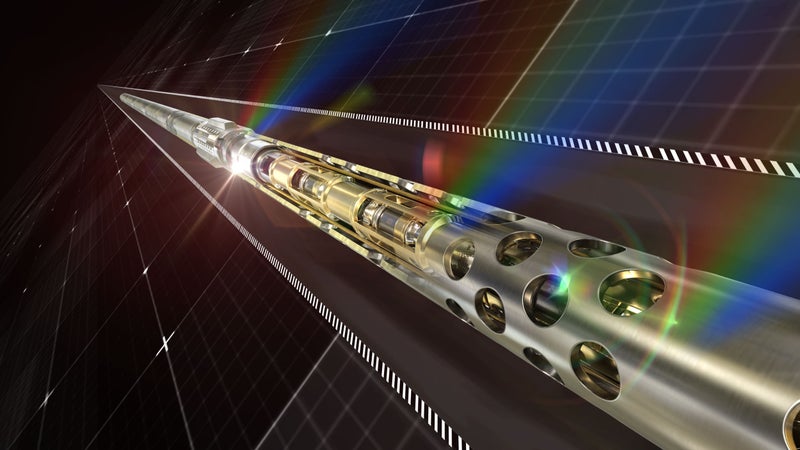
Acoustic analysis tools that pinpoint costly wellbore leaks by analyzing sound waves that describe flow patterns in the formation and casing.
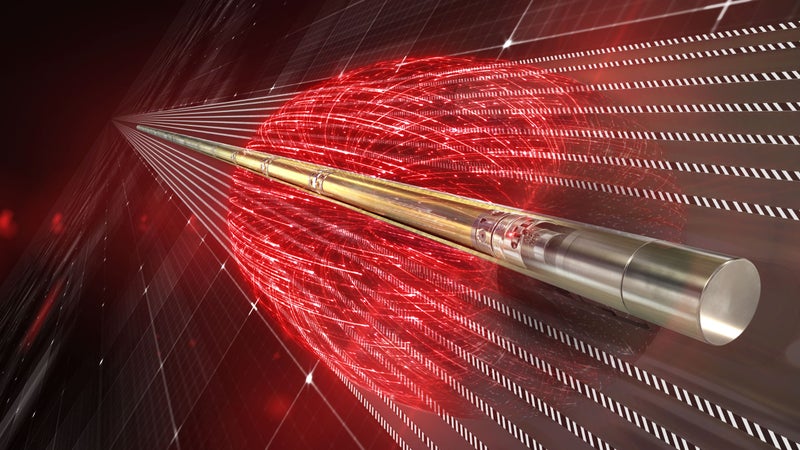
Accurately pinpoint casing defects and metal corrosion in up to seven tubular strings throughout the well.