Optimized system stabilizes performance and extends run life in low-pressure conditions
Download PDFUnconventional Fields

Low inflow from declining reservoir caused ESP shutdowns and losses

A Middle East operator struggled to maintain stable production in an unconventional reservoir with rapid pressure depletion. The decline of reservoir pressure reduced inflow and forced the electric submersible pump (ESP) system into underload conditions, which triggered shutdowns, increased motor temperature, and caused production losses. High dogleg severity (DLS) within the 7 in. liner added complexity and limited deployment options for standard ESP systems. The operator required a reliable artificial lift solution that could sustain production, improve stability, and reduce operating costs in a low-pressure, low-flow environment
Reservoir pressure decline created persistent instability in ESP performance. Low inflow reduced submergence and decreased pump intake pressure, which led to frequent gas lock events and high motor temperatures. The ESP system shut down repeatedly, which disrupted production and increased intervention frequency.
The well trajectory added further complexity. DLS values of 7° to 8° per 100 ft restricted tubing movement and increased installation risk. Standard ESP configurations could not navigate these conditions without added mechanical risk.
The operator faced increased operational costs, unstable production, and limited confidence in system reliability.
Summit ESP®, a Halliburton service, designed a deeper ESP placement strategy to increase submergence and stabilize intake pressure. The team set the ESP at the second tangent inside the 7 in. liner, which increased pump intake pressure and improved operating stability. To address high DLS, the operator replaced the existing 3 1/2 in. tubing with slimmer 2 7/8 in. tubing. This change removed casing restrictions, reduced mechanical risk during installation, and lowered tubing costs.
Halliburton configured the ESP system with Tiger Shark® low-range pumps, Hydro-Helical® gas separators, and gas handlers with XR flange sleeve technology. This design improved gas handling performance, provided downthrust protection, and maintained efficiency at low flow rates. The integrated system increased intake pressure by 150 to 200 psi, reduced temperature-related shutdowns, and improved overall system reliability.
BOPD sustained production
Equipment run life extension
Cost reduction for tubing
The optimized ESP setting depth increased submergence and stabilized intake pressure, which improved system performance and reduced downtime. The operator achieved more consistent production and reduced intervention frequency. The deeper placement and redesigned system tripled equipment run life, which reduced workover requirements and associated costs. The smaller tubing reduced material cost and simplified deployment.
Sustained daily production rates exceeded 600 BOPD, which provided a stable revenue stream and improved field economics. The operator adopted this configuration as the standard design for similar wells.
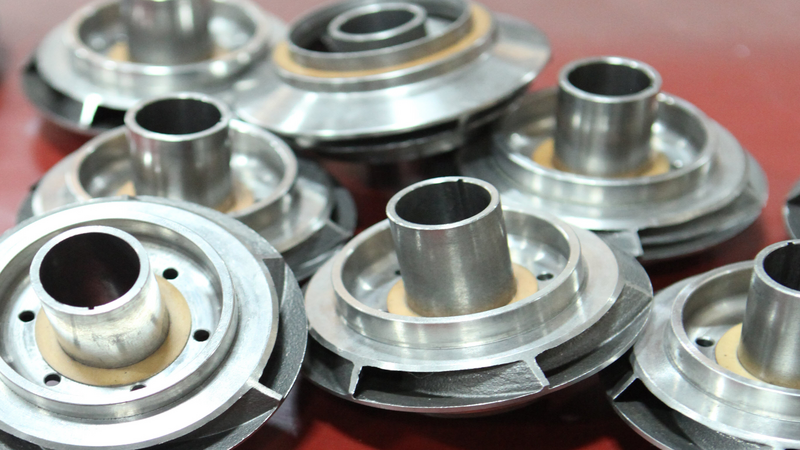
Tiger Shark® electric submersible pumps are designed to adapt to changing well production, improving operating range and run life in harsh environments.
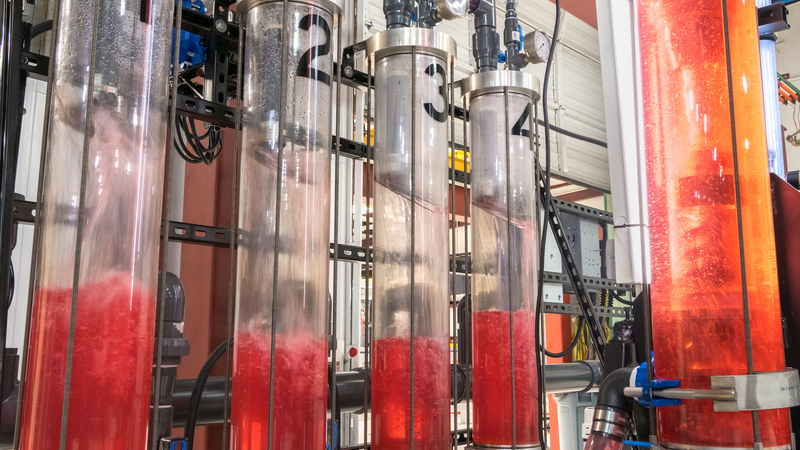
The Hydro-Helical® gas separator sets a new industry standard for flow rate, performance, and reliability