
Subsea well construction demands precise control and disciplined execution, particularly throughout tubing hanger installation. As wells move into deeper water and subsea layouts grow more complex, traditional approaches introduce more surface equipment, multiple interfaces, and extended hydraulic lines. These elements add risk, consume deck space, and extend critical path time.
Two technologies, Optime’s enhanced Remote Operated Completion System (eROCS) and the Optime Tubing Hanger Orientation System (OTHOS), support a different execution model. Together, they allow tubing hanger installation without traditional control umbilicals and orientation systems. Operators use them to reduce surface complexity and maintain subsea control and orientation accuracy.
This approach does not change the fundamentals of tubing hanger installation. It changes how operators manage interfaces, exposure, and schedule risk during one of the most sensitive phases of subsea well delivery.
Conventional tubing hanger installation relies on control umbilicals that connect surface equipment to subsea tools. These umbilicals require reels, clamps, fittings, and pressure testing. Each component adds usage steps on deck and introduces additional potential failure points. Surface hydraulic power units further increase footprint and personnel exposure.
Orientation systems often add another layer of complexity. Many installations require tubing hanger orientation joints and dedicated blowout preventer alignment hardware. These systems depend on precise sequencing and multiple mechanical interfaces. When alignment falls outside tolerance, operators face re-runs, corrective work, or delays that affect downstream operations.
In deepwater environments, these inefficiencies compound quickly. High rig day rates and limited weather windows leave little margin for error.
One way operators reduce surface complexity involves the shift of control functions from the rig to the subsea domain. A subsea-based control system places electrical and hydraulic power subsea and removes the need for traditional control umbilicals and surface hydraulic power units amid tubing hanger installation.
This model supports wireless communication between surface and subsea equipment and provides system feedback through integrated instrumentation. Redundant power and communication paths support operational continuity during critical steps.
For operators, the practical effect centers on execution. Crews manage fewer high-pressure lines on deck and handle less equipment during rig-up and rig-down. A reduced surface footprint also supports greater flexibility for parallel operations. Clear subsea feedback helps operators confirm tool response without reliance on long hydraulic lines or complex surface diagnostics.
Accurate tubing hanger orientation remains essential, particularly for vertical subsea tree applications. A misaligned hanger can delay tree installation and create downstream interface issues.
A gyro-guided orientation system removes the need for traditional tubing hanger orientation joints and bulky blowout preventer alignment equipment. The system establishes heading through a gyrocompass and maintains position through a dedicated orientation pin inside the BOP. Wireless communication supports real-time feedback throughout installation.
This approach reduces the number of mechanical interfaces involved in orientation and separates orientation from other installation sequences. Planning becomes more straightforward, and dependencies between steps decrease.
For operators, the benefit lies in repeatability. Consistent orientation results reduce the likelihood of remedial work and help protect overall schedule integrity.
When subsea based control and simplified orientation work together, operators can remove the umbilical and reduce surface equipment without a sacrifice to control or accuracy. One system provides subsea power, communication, and monitoring. The other provides precise heading control within that framework.
This combination reduces the need for dedicated alignment hardware and limits the number of interfaces crews must manage on deck. Operators gain a more direct installation sequence with less error potential.
Field deployments have demonstrated measurable outcomes. Operators have reported reduced trip time and smaller deck footprints. Crews have also reported lower exposure on the drill floor due to fewer manual handling tasks and less high-pressure equipment on deck.
Recent offshore operations have validated this execution model under field conditions. On the Norwegian Continental Shelf, an operator completed tubing hanger installations without traditional umbilicals, orientation joints, or blowout preventer alignment equipment. The operation relied on subsea-based control and gyro-guided orientation to achieve precise placement.
Post-operation reviews cited simplified planning, fewer interfaces, reduced operational risk, and improved rig flexibility. Multiple installations achieved consistent orientation results without deviation from planned heading.
These results demonstrate repeatability rather than isolated success. Operators look for methods that perform consistently across wells, rigs, and field developments.
The move away from umbilicals and alignment hardware reflects a broader trend in subsea operations. Rather than adding equipment to manage complexity, operators increasingly seek to remove interfaces altogether.
Subsea-based control and simplified orientation tools do not redefine tubing hanger installation. They refine how operators manage risk, exposure, and time during a critical phase of well construction.
For teams focused on efficiency, safety, and predictability, this approach offers a practical alternative to traditional tubing hanger installation methods, one that aligns with the realities of modern subsea development without the addition of unnecessary complexity.
Learn more about how the umbilical-less eROCS can revolutionize your subsea operations.
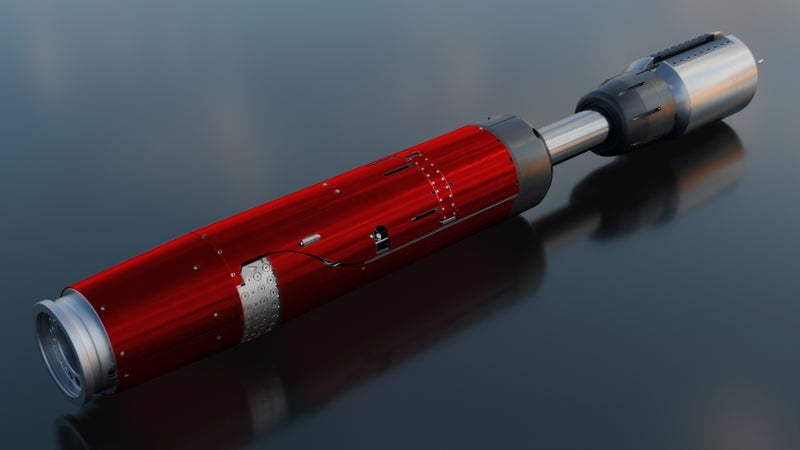
eROCS removes traditional umbilicals and hydraulic power units (HPUs) to help reduce rig time, minimize red zone exposure, and optimize offshore efficiency
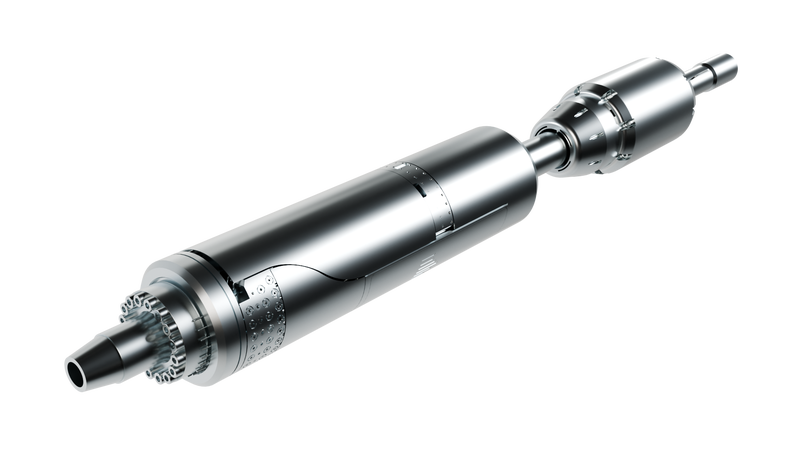
Achieve faster, safer subsea completions through precise orientation. OTHOS reduces rig time, improves safety, and simplifies offshore operations.

Halliburton offers innovative subsea safety systems for applications in completion and intervention operations.