
Drill stem testing (DST) plays a critical role in reservoir evaluation, but operators rarely treat it as a required step. Cost, rig time, operational exposure, and schedule constraints force teams to make deliberate choices about where and when a DST makes sense.
On exploration and appraisal wells, teams must decide how much information they need before they decide on a full test. Too little data increases uncertainty. Too much testing adds cost without an improvement to outcomes. Most operators now approach DST decisions as part of a broader evaluation sequence rather than a single, standalone choice.
Before selecting a DST, reservoir teams typically seek clarity on several points, such as whether the interval shows enough productivity to justify further testing or how far the reservoir extends beyond the near-wellbore region. They also ask if boundaries or compartmentalization limit development potential and which zone offers the best return on additional investment.
Traditional wireline formation testing answers many near‑wellbore questions but often cannot resolve far‑field behavior or connected volume. A DST can provide that insight, but only after teams accept higher cost and operational requirements. As a result, many operators look for intermediate data that supports a clearer decision.
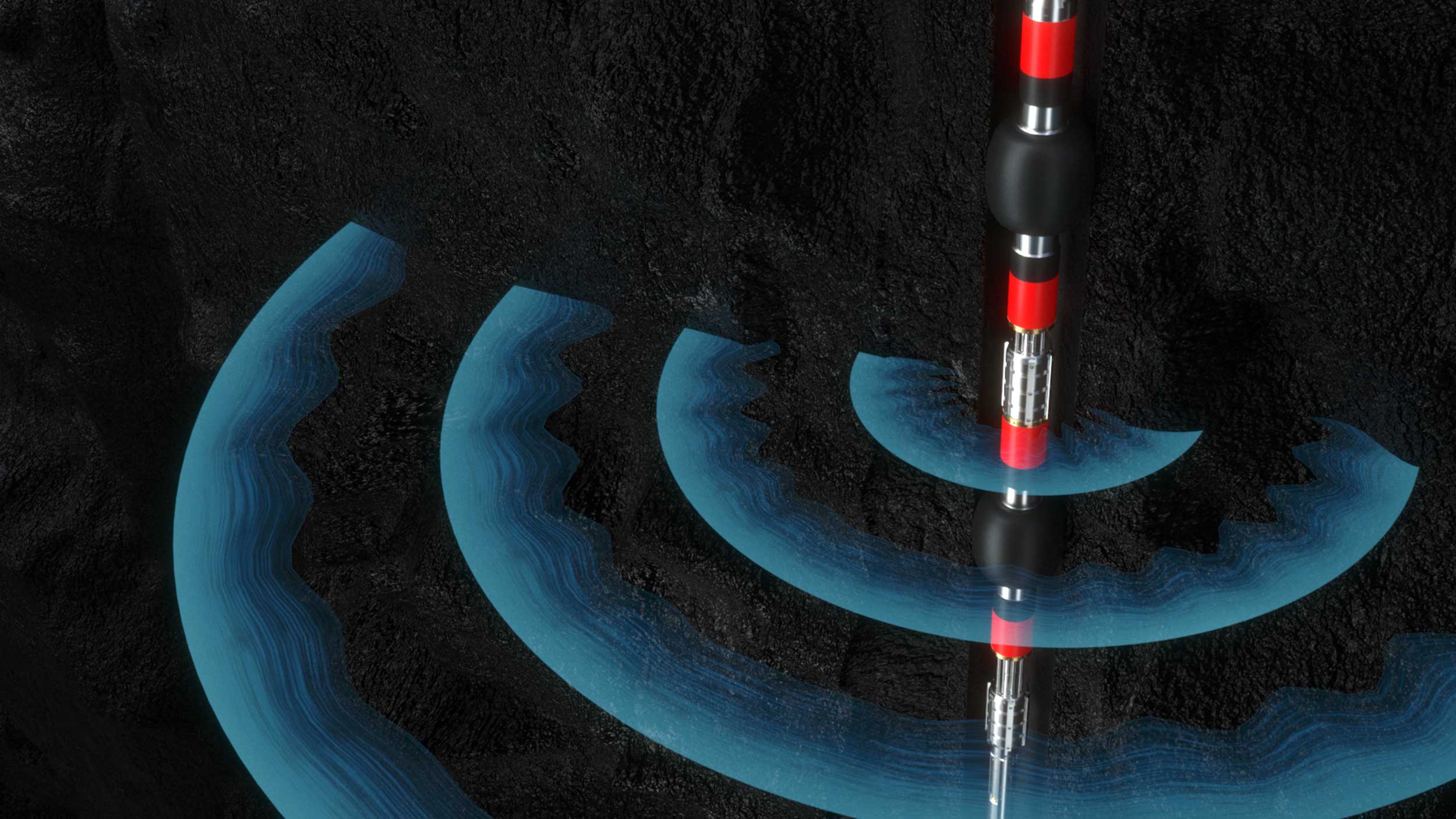
Some operators now incorporate extended wireline‑based reservoir evaluation as part of their decision process. These approaches allow teams to examine pressure response and productivity farther from the borehole than conventional formation testing, without the obligation of a full DST.
One example is the Xaminer® Deep Testing logging service, which builds on a modular wireline platform to extend reservoir evaluation up to one‑third of a mile from the borehole in a single run. Operators use this type of capability to gain zone‑specific insight that supports DST selection rather than replacement.
When teams apply extended evaluation methods, they typically use the data to narrow choices rather than expand scope. Common outcomes include:
This approach shifts the DST decision from assumption‑based planning to data‑supported selection. Teams retain DST as an option, but they apply it with greater precision.
Modern wells face tighter cost controls and greater scrutiny about operational exposure. Extended evaluation methods that run in a single wireline deployment allow teams to assess multiple zones without additional mobilization. Real-time data access supports adjustments at the wellsite, rather than fixed programs that rely on post‑job interpretation. This flexibility helps teams avoid repeat runs and unnecessary rig time.
From an execution standpoint, predictability remains critical. Modeled well control, drill‑pipe conveyance, and defined operating envelopes allow teams to gather additional insight without the introduction of new risk profiles.
Most operators now treat DST as part of a staged decision process. Early data reduces uncertainty. Intermediate evaluation narrows options. DST confirms outcomes when the economics support the investment.
This approach does not reduce technical rigor. Instead, it applies that rigor at the right time, with the right scope, and at the right cost. When teams can structure reservoir evaluation around informed decision points, operators improve confidence and simultaneously maintain flexibility, especially in environments where every test carries financial and operational consequence.
If your team faces uncertainty around reservoir productivity, connectivity, or DST investment, Xaminer® Deep Testing logging service can provide the clarity you need earlier in the decision cycle. Learn how this service helps operators screen DST candidates, reduce unnecessary rig time, and gain deeper reservoir insight without added exposure.
webinar
If your team faces uncertainty around reservoir productivity, connectivity, or DST investment, Xaminer® Deep Testing logging service can provide the clarity you need earlier in the decision cycle. Learn how this service helps operators screen DST candidates, reduce unnecessary rig time, and gain deeper reservoir insight without added exposure.
watch
Xaminer Deep Testing logging service delivers deep-reading reservoir insight, pressure transient analysis, and deliverability screening while operational risk

Real-time well testing solutions for measuring and analyzing well-test data.