Get deep transient insight, high‑rate pump performance, and precise pressure data in one efficient wireline run to help deliverability and development decisions
talk to an expertWhen a well carries high cost and high consequence, you want reservoir answers that stand up to scrutiny. The logging service brings deep‑reading reservoir insight and high‑rate pump performance together in one efficient wireline run, so you can reduce uncertainty and plan with confidence.
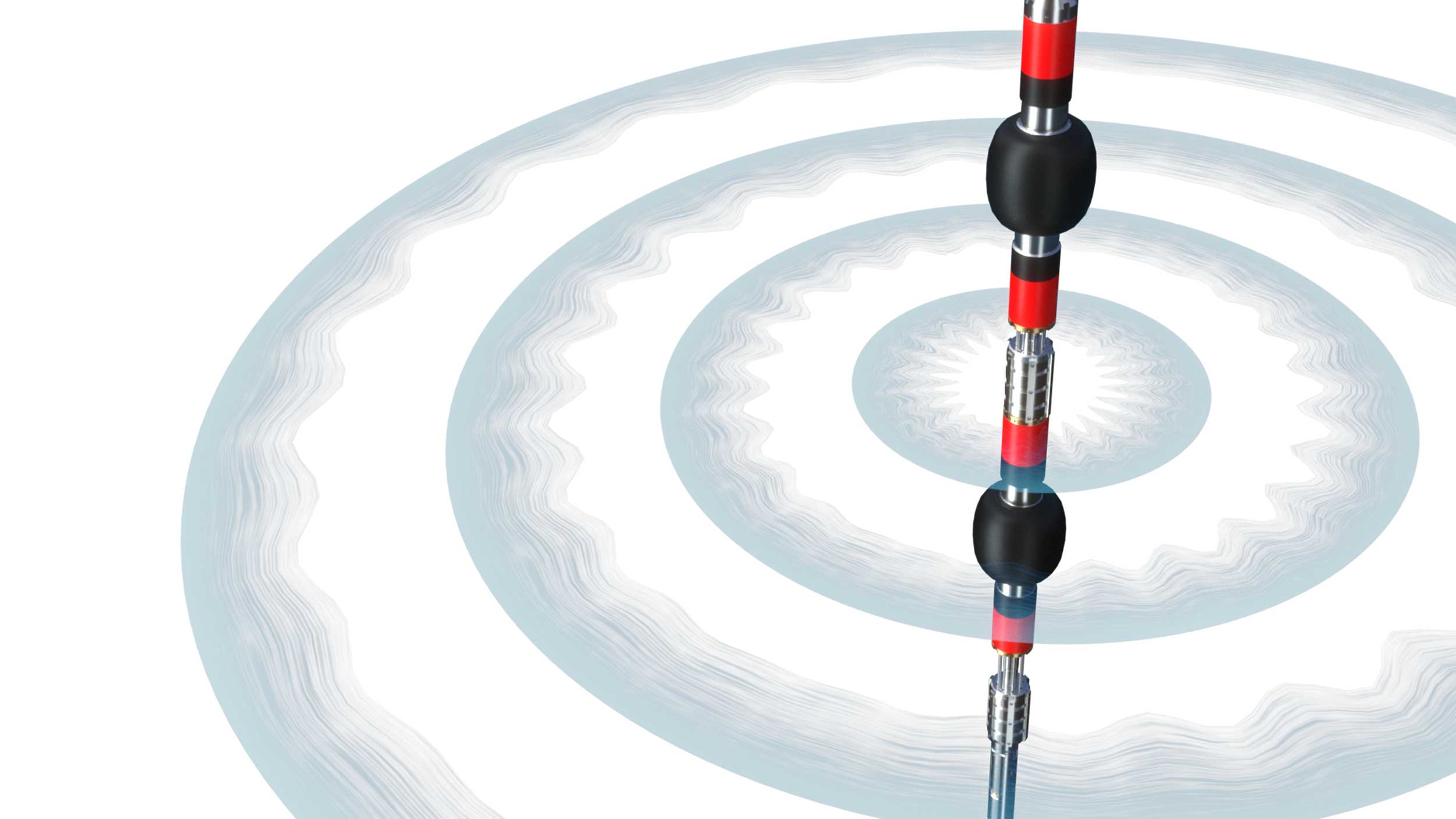
Conventional wireline formation tools often limit insight to the near‑wellbore region. Here, a radius of investigation up to 1,640 ft (500 m) helps you evaluate reservoir boundaries, connected volumes, and far‑field behavior, which allows decisions that usually require a larger test scope.
Small pressure changes can shape big development choices, especially when you evaluate fluid gradients, contacts, or connectivity. Ultra‑high‑resolution quartz gauges capture subtle responses with 0.003 psi resolution, which helps with precise pressure transient analysis and clearer interpretation of formation behavior.
Low mobility and tight intervals can extend cleanup time and add operational exposure. Dual high‑rate pumps deliver up to 200 cc/sec (720 L/hr) to provide rapid cleanup and sustained drawdown. Redundant pump architecture adds reliability when conditions turn complex.
Your reservoir response often differs from the model. Real‑time downhole data transmission guides decisions at the wellsite, so engineers can adjust flow rate, drawdown strategy, and test duration based on actual response. This approach helps improve data quality and limits time in hole.
Operators can screen intervals for drill stem testing (DST) suitability while limiting upfront cost and operational exposure. Shorten rig time and reduce exposure by gathering deep transient insight in a single run. Lower flaring and environmental impact while building confidence in deliverability and reservoir understanding.
Use deep transient insight when logistics, risk, and flaring limits make traditional test scope difficult.
Contribute to early development plans with pressure and connectivity insights that inform completion and development decisions.
Use modular intake and dual packer options to tailor spacing intervals for thin beds, heterogeneous zones, or complex reservoir geometry.
| Specification | Value |
|---|---|
| Maximum temperature | 350°F (177°C) |
| Maximum pressure | 25,000 psi (172,369 kPa) |
| Radius of investigation | Up to 1,640 ft (500 m) |
| Pressure measurement resolution | 0.003 psi |
| Pumps per string | 4 |
| Maximum pump rate (dual pump) | 200 cc/sec at 500 psi ΔP |
| Borehole fluids | Salt, fresh water, oil |
| Conveyance option | Wireline and drill pipe conveyance with full well control |
Reservoir Xaminer™ grants high-quality formation evaluation data in real-time for improved data quality, optimized rig time, and a higher asset value
Confidently evaluate formations and optimize completions with advanced wireline openhole logging. Our wireline logging services deliver precise data.
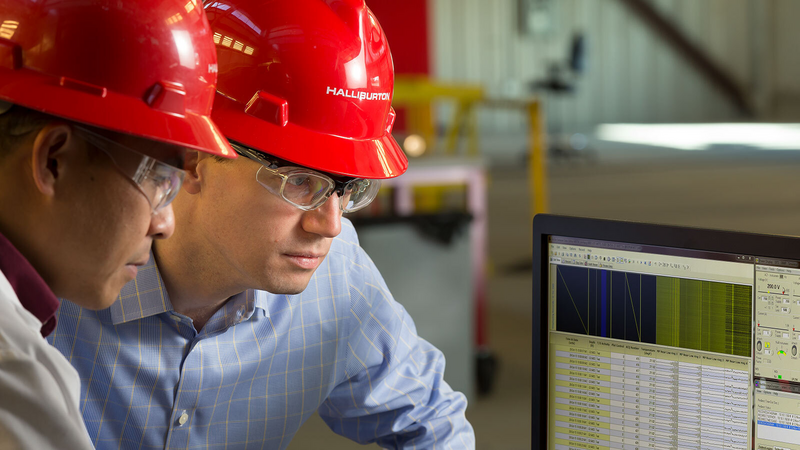
Halliburton reservoir testing goes below the surface to show operators the most accurate details of the reservoir
Halliburton formation evaluation services enhance reservoir understanding through our technology and subsurface characteristics for resource development.