
Gregory Grosz, New Product Development Sr. Advisor with Halliburton Drill Bits and Services (DBS), knows that small details can determine what happens thousands of feet below the surface. A slight change in geometry can affect how a drill bit responds. A body material choice can determine whether the bit withstands abrasion or falls short of the planned interval. A bit design that excels under one set of conditions may struggle under another. Countless variables shape drill bit design, which makes the designer’s experience indispensable to the achievement of consistent performance.
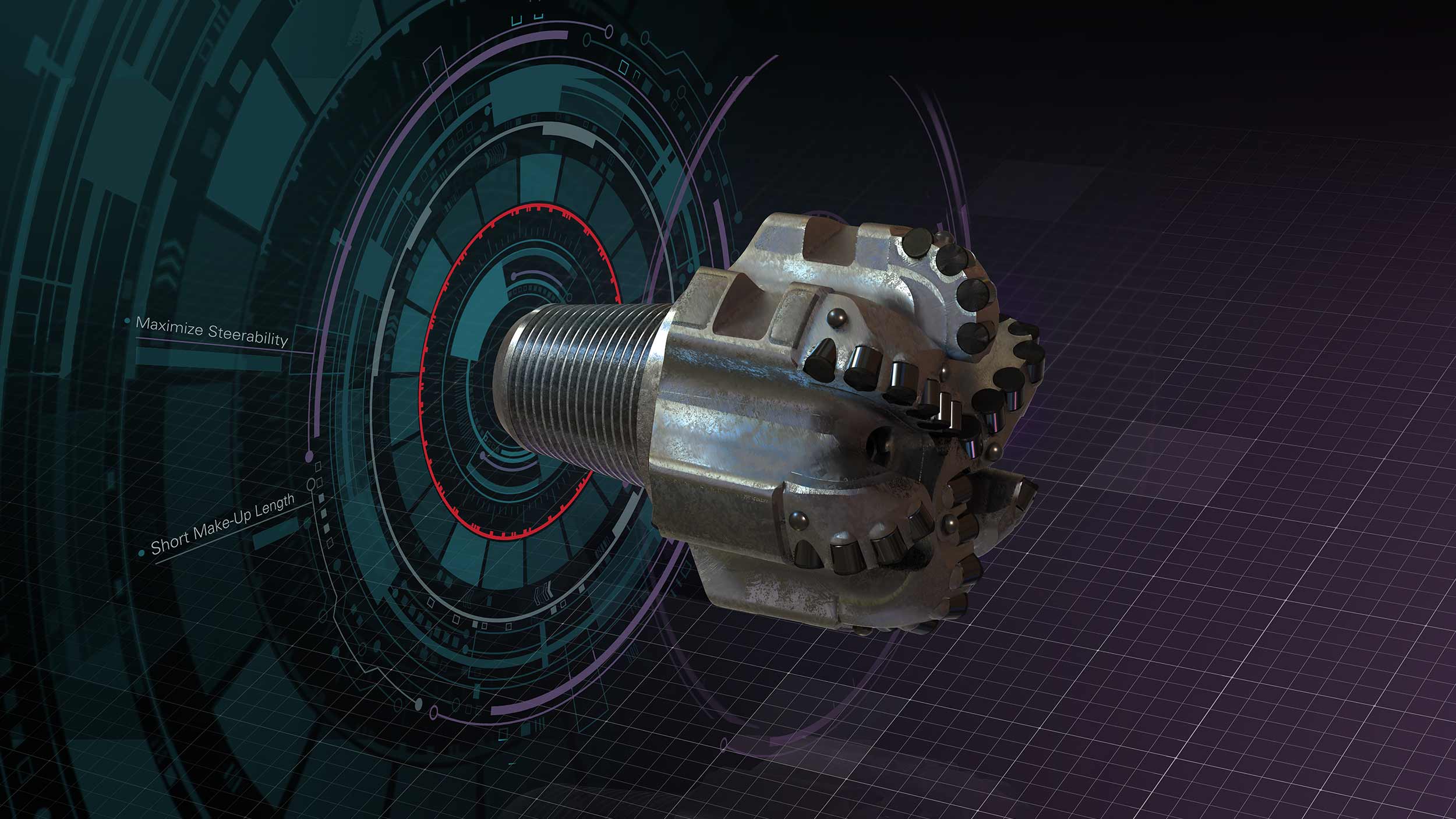
Throughout his career, Grosz has studied how design choices affect bit performance. He has examined what works, identified what limits results, and applied those lessons to each new challenge. That expertise helped shape the HyperSteer™ MX directional drill bit, which pairs the short, shankless architecture of the HyperSteer platform with the erosion and abrasion resistance of a matrix body. The combination gives operators precise directional response and greater durability in harsh environments. The final design may appear simple, but the thought behind it was not.
Effective engineers do more than develop solutions. They define the correct problem first. A drill bit must balance rock cutting efficiency, stability, durability, and interval completion, as well as maximize the rate of penetration. Each requirement influences the others. A change that improves one aspect can weaken another.
Grosz draws on years of technical knowledge to make sense of those relationships. He looks past the most visible symptom and examines the design constraint beneath it.
The original HyperSteer platform addressed a key directional challenge. Its shankless architecture reduced overall bit length, which allowed the bit to respond more directly to input from a rotary steerable system or motor assembly. That architecture offered precise control, but some applications presented another demand. Abrasive formations and high-flow conditions required greater resistance to erosion and wear. The team did not need to replace the core HyperSteer drill bit concept but instead adapted that concept into harsher environments. This distinction provided the engineering team with a clear objective: preserve the directional response of the shankless design and add the durability of a matrix body.
Innovation rarely comes from one dramatic breakthrough. More often, it comes from a series of informed decisions. Engineers must know which characteristics to preserve, which constraints to challenge, and which compromises they should refuse to accept. That judgment grows through experience.
Grosz understood that a material change alone would not define success. The bit still had to deliver the directional characteristics that gave the HyperSteer platform its value. Each element had to work as part of the full design. That perspective helped the team avoid a tradeoff between steerability and durability.
The matrix body gives the HyperSteer™ MX directional drill bit the durability required for abrasive and erosive conditions. The shankless profile retains the short length that supports directional response. Together, those features help the bit maintain control and withstand demanding applications.
The technology demonstrates why engineering expertise matters. Customers see the finished bit. They may never see the analysis, technical debate, or design choices behind it. Yet those decisions influence every run.
Grosz’s interest in how things work does not end with drill bits. He also spends time as a hobby machinist. The craft gives him a direct connection to materials, dimensions, tolerances, and mechanical relationships, where a part must meet its purpose, measurements matter, and each decision leaves a physical result.
That same discipline supports his work as an engineer. Machinists cannot rely on vague ideas or approximate outcomes. They must understand the material, anticipate how the part will behave, and account for the effect of each cut. The process rewards patience, precision, and respect for detail.
Drill bit design demands the same habits, though the scale and conditions differ. Both pursuits require more than technical knowledge. They require judgment. An experienced engineer learns where to focus, which questions to ask, and when a familiar approach no longer serves the application. Grosz brings that mindset to each design challenge.
The HyperSteer™ MX directional drill bit represents a technical advance, but the bit tells only part of the story. The greater value lies in the expertise behind it.
Grosz and the DBS team recognized a constraint, understood why it mattered, and developed a design that addressed it and retained the strengths of the original platform. They combined proven design with the right materials to support precise directional response in harsher conditions. That work required more than a good idea. It required the judgment to protect what already worked and the expertise to improve what did not.
Customers may purchase a drill bit, but they also rely on the decisions that shaped it. The HyperSteer™ MX directional drill bit carries those decisions into the well. It carries the lessons from past applications, the discipline behind each technical choice, and the experience of engineers who know where to look when performance reaches a limit.
Grosz brings that same approach to the machine shop and the design table: understand the material, respect the details, and solve the problem that matters.
Learn more about the HyperSteer™ MX directional drill bit and how it provides superior durability and directional control for the harshest drilling conditions.
Directional drill bits designed for high build rates in curve and lateral applications.
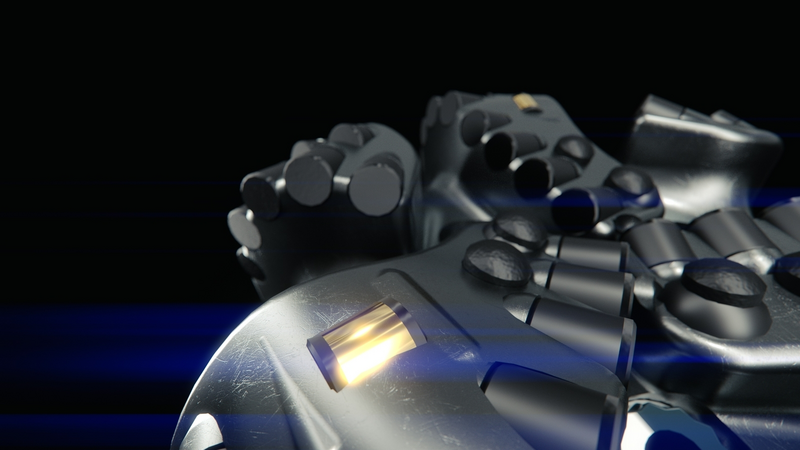
Fixed cutter and roller cone bits are engineered to optimize performance by using our global network of engineers to design the right bit for the right application.