Phorcys™ subsea pigging and hydrotest unit upgrade removes communication-related failure point during subsea testing and precommissioning
Download PDFDeep Water
Reduce communication-related interruptions

Brazil

Subsea hydrotest operations verify the integrity of pipelines, risers, and other subsea assets before startup. Operators depend on reliable monitoring, control, and chemical injection systems to execute these tests efficiently and maintain project schedules. In deepwater environments, equipment failures can interrupt operations, increase operational risk, and raise vessel-related costs.
During a precommissioning campaign in Brazil, an operator experienced recurrent communication failures between a subsea chemical injection pump and the topside control system. These interruptions increased troubleshooting requirements and threatened testing continuity. The operator sought a simpler and more dependable chemical injection method that could support hydrotest operations without reliance on subsea communication systems.
Chemical injection supports the deployment of dyes, oxygen scavengers, corrosion inhibitors, and other treatment chemicals used for hydrotest monitoring and system preservation. The operator’s existing process relied on an electrically-powered subsea pump that required continuous communication between subsea equipment and topside controls.
Communication interruptions created an operational vulnerability within the hydrotest spread. Each disruption increased troubleshooting activity, introduced schedule uncertainty, and heightened exposure to vessel-related costs. The operator required a chemical injection solution that could deliver consistent performance, reduce system complexity, and remove reliance on subsea electrical and communication infrastructure.
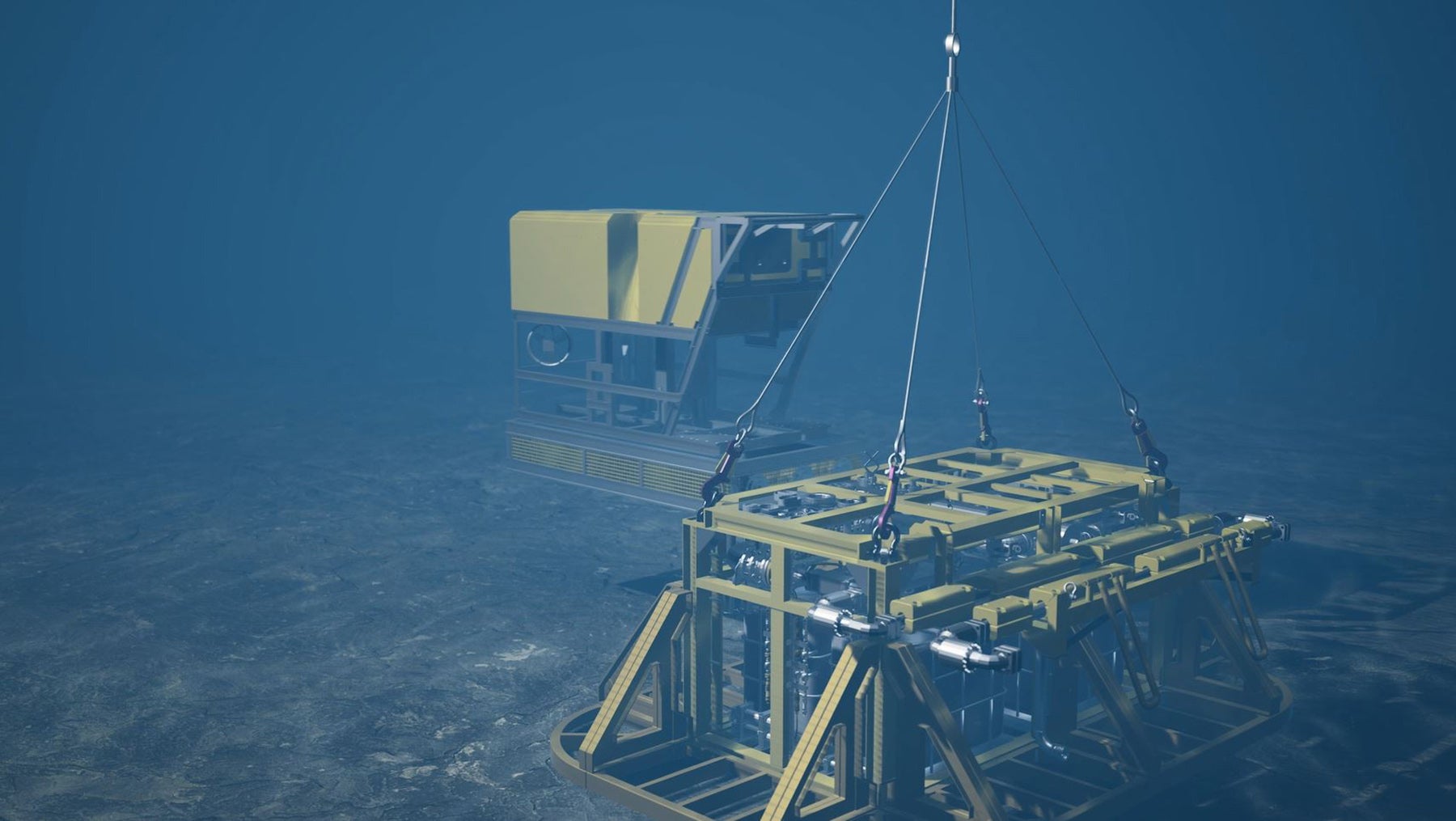
Halliburton collaborated with the operator to remove a recurrent source of operational disruption from the hydrotest spread. Rather than rely on an electrically powered subsea pump, Halliburton upgraded the Phorcys™ subsea pigging and hydrotest unit with a venturi-based chemical injection system.
The venturi system uses pressure differential from the hydrotest pumping spread to inject treatment chemicals directly into the process stream. This approach eliminates the need for subsea electrical components, communication interfaces, and associated troubleshooting activities.
Halliburton integrated the venturi system with the existing 800-bar and 1,000-bar high-pressure pumping units already deployed in the hydrotest operations. The operator maintained the ability to inject dyes, oxygen scavengers, corrosion inhibitors, and other treatment fluids with existing infrastructure. The simplified configuration removed a known failure point and streamlined chemical injection operations.
Recurrent source of hydrotest
Confidence in precommissioning execution
Risk of communication-related disruptions
The operator eliminated a recurrent source of hydrotest interruption and increased confidence in precommissioning execution. The elimination of dependence on subsea electrical and communication systems for chemical injection helped the operator reduce the risk of communication-related disruptions and improve overall hydrotest reliability.
The simplified configuration reduced troubleshooting requirements and allowed personnel to focus on test execution rather than equipment recovery and system diagnostics. The operator also reduced operational complexity and limited exposure to schedule delays and vessel-related costs.
The venturi-based system delivered reliable chemical injection through a mechanically simple design that used existing hydrotest infrastructure. As a result, the operator achieved a more predictable hydrotest process, improved execution efficiency, and strengthened confidence in subsea testing performance.