By Siva Rama Krishna Jandhyala
Cement equipment operates under extreme thermal and mechanical loads, hydraulic pressures, repetitive motion, and harsh weather. Equipment failure can disrupt operations and affect well integrity.
Traditional maintenance methods rely on scheduled service, inspections, and short-duration tests. These methods can reveal visible wear and known failure modes, but may not detect internal damage before performance declines. If crews receive clear signs too late, they may face unplanned downtime, service interruptions, and costly repairs.
Predictive reliability offers a different approach. It combines sensor technology, real-time cloud data, analytical models that flag developing issues, trained personnel who can respond to alerts, and processes that refine model performance.
Traditional inspection programs rely on visual checks, scheduled maintenance intervals, predefined short-duration tests, and operator experience. These methods work well for visible wear and known failure modes. They prove less effective when operators must understand internal damage accrual, especially while equipment still operates within acceptable parameters.
Modern cementing units generate large volumes of data throughout each job. The challenge is to distinguish normal signal patterns from anomalies that may indicate a developing problem. Without that capability, crews may depend on alarms that activate only after a condition becomes severe, or a unit fails.
The Halliburton team started with a straightforward question: What if cementing equipment could communicate its condition before a failure occurs?
The answer required three capabilities.
First, cementing units needed sensors and infrastructure to collect meaningful data across each job and the broader fleet.
Second, machine-learning models had to distinguish normal operating behavior from early signs of decline with enough confidence to prompt an inspection before a breakdown.
Third, workflows and trained teams had to turn those insights into timely action.
Product owners, repair and maintenance (R&M) specialists, operations teams, data engineers, and data scientists developed the solution together. Product owners identified the business challenges, while R&M specialists identified parameters with diagnostic value. Operations teams established sensor requirements. Data engineers built pipelines to transmit equipment data to the cloud, and data scientists translated technical knowledge into models that assess more than 400 equipment parameters. The product team then refined workflows and prepared execution teams to act on the insights.
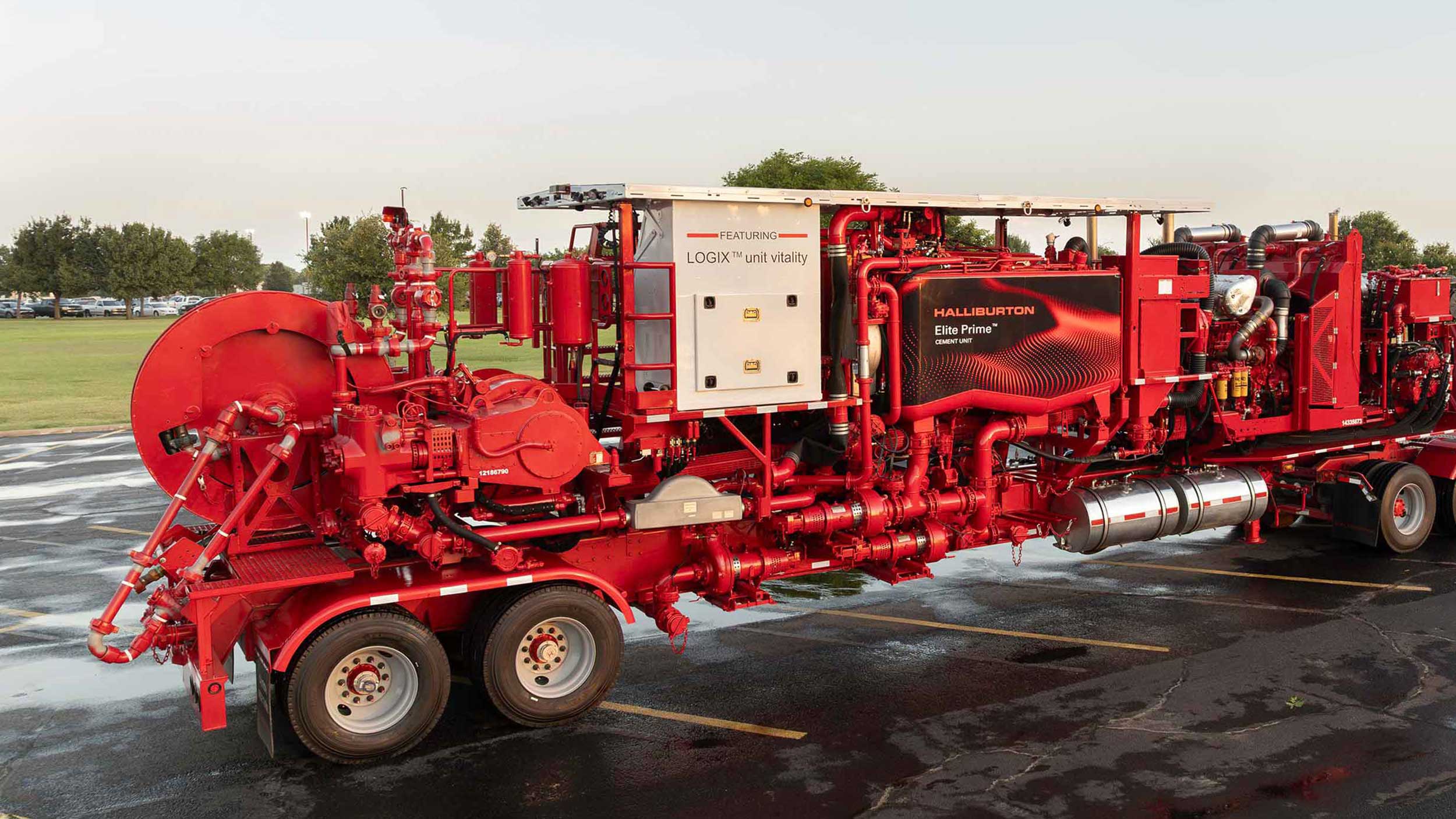
LOGIX™ Unit Vitality, part of LOGIX™ automation and remote operations, applies statistical models and machine-learning algorithms to operational data from cementing unit components. The system establishes normal performance patterns while accounting for operating variability, local weather, and job conditions.
It then filters unreliable readings, cross-checks related signals, and evaluates abnormal trends to determine severity. These insights help crews focus on developing risks that may require intervention and provide more notice than conventional alarm systems.
Field deployments demonstrate the practical value of early equipment risk detection. In multiple operating environments, LOGIX™ Unit Vitality flagged warning signs that routine inspections did not, including thermal anomalies, charging-system issues, elevated transmission temperatures, restricted airflow, mix-system performance concerns, and internal engine conditions that appeared normal during manual checks.
The value extends beyond detection by giving maintenance teams time to act. With advance notice, teams can investigate the issue, secure parts, and complete corrective work during planned maintenance windows instead of after a field failure.
For customers, this visibility can mean fewer operational disruptions, less exposure to nonproductive time (NPT), and greater confidence in equipment readiness. In four deployments, early risk identification helped teams avoid an estimated $125,000 to $150,000 in downtime costs and improve maintenance productivity by 91%.
Equipment reliability supports cement job reliability. A job that starts with compromised equipment can face inconsistent pump rates, reduced displacement efficiency, or unplanned shutdowns that affect cement placement and well integrity.
LOGIX™ Unit Vitality helps reduce the likelihood of unplanned equipment failures so crews can focus on job execution rather than mechanical uncertainty. Earlier insight into potential risks supports more consistent performance and reduces the likelihood of disruptions that can affect cement placement and well integrity.
Predictive equipment intelligence complements experienced personnel and established maintenance practices by providing earlier warning of developing risks. This visibility helps crews shift from reactive repairs to planned intervention, protect job quality, and execute cementing operations with greater confidence.
Learn how LOGIX™ Unit Vitality helps cementing crews identify equipment risk earlier, plan maintenance, and reduce operational disruption.
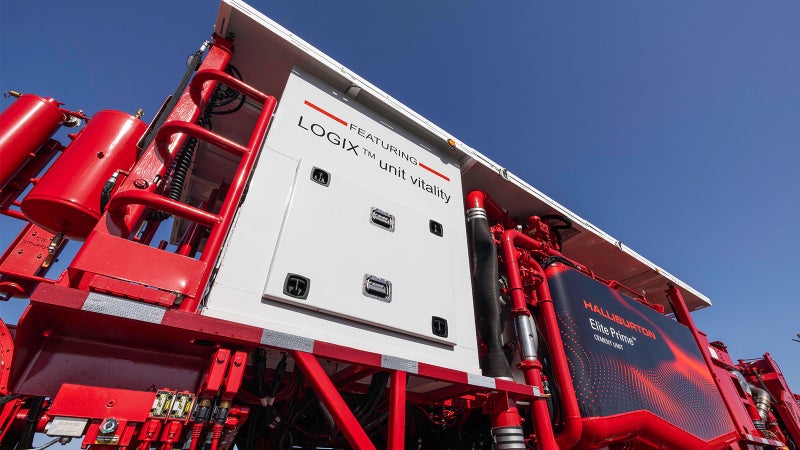
Real-time data and AI-driven models provide insights into equipment readiness that help increase reliability, efficiency, and barrier execution consistency.
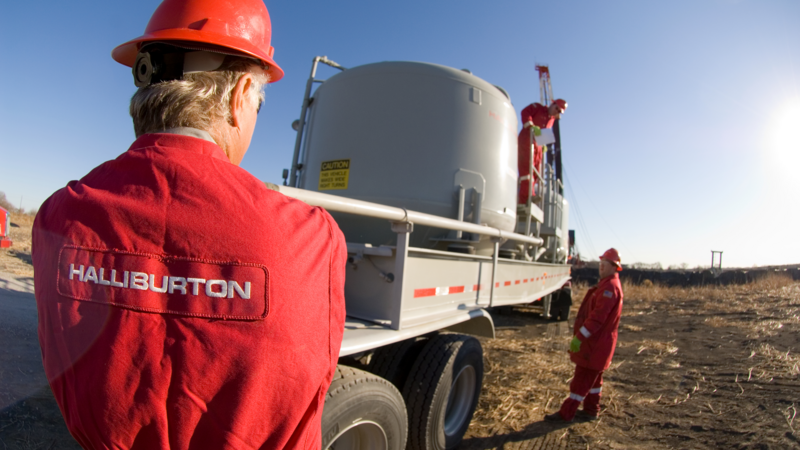
Fit-for-purpose pumping and mixing equipment for both land and offshore, recognized worldwide for safety, effectiveness, and reliability.
Ensure wellbore-integrity and sound technical decision-making throughout the life of the well.