By Tim Stephens, global account manager - Geothermal
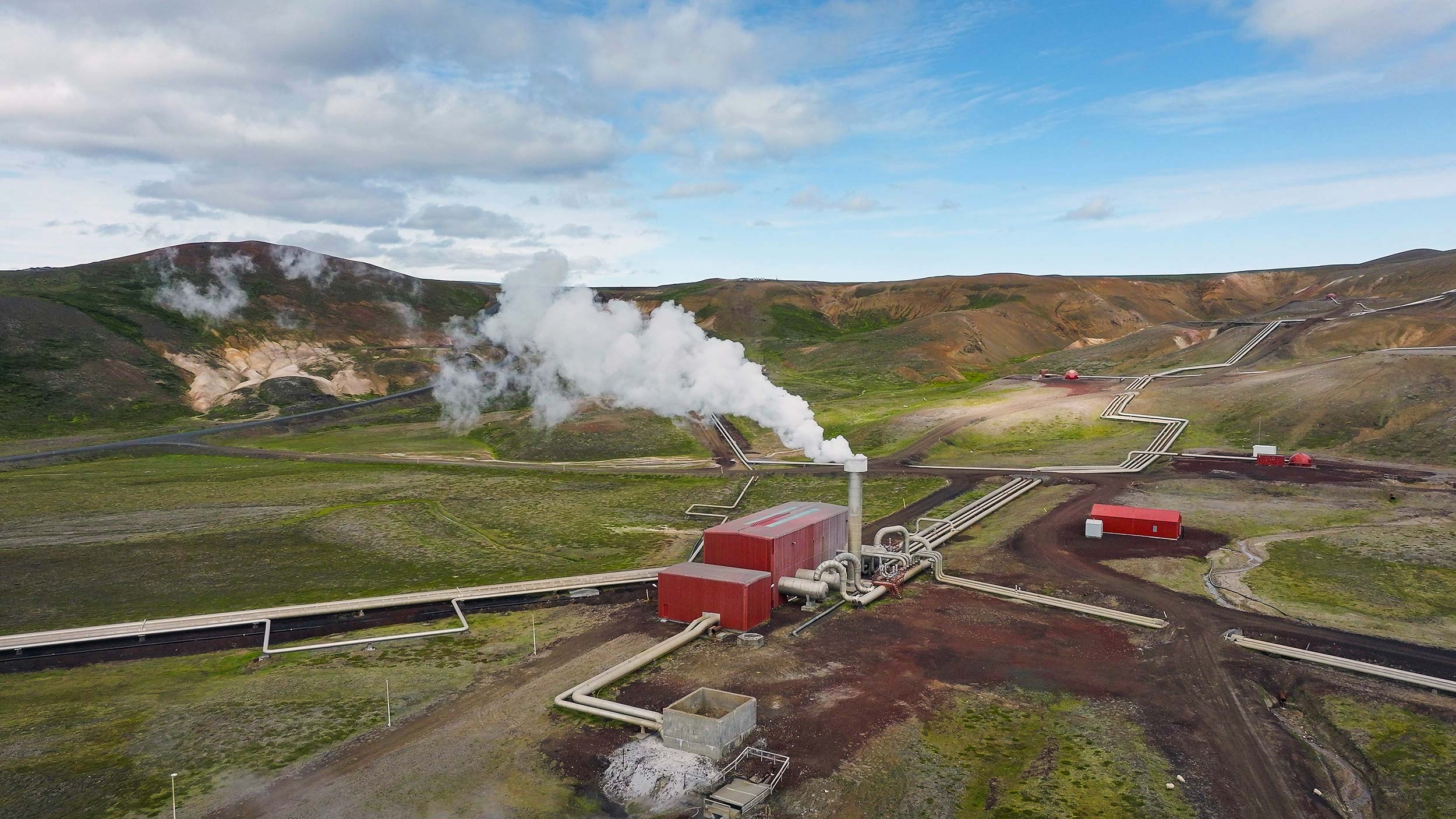
Geothermal energy has emerged as an increasingly important part of the global energy mix. Developers now pursue projects beyond traditional geothermal regions through Enhanced Geothermal Systems (EGS) and Advanced Geothermal Systems (AGS). Yet every geothermal project faces the same challenge: operators must drill, construct, and maintain wells in some of the world's most difficult environments.
Access to heat alone does not determine project success. Developers need the ability to reach geothermal resources safely, efficiently, and economically. This requirement continues to spur innovation in drilling technology, digital tools, well integrity solutions, and subsurface expertise that now help developers unlock deeper, hotter, and more complex geothermal resources worldwide.
Geothermal wells share some engineering principles with oil and gas wells, but geothermal development presents a distinct set of technical challenges. Hard volcanic rock, granite, and lava formations often reduce drilling efficiency and accelerate equipment wear. Operators also face severe lost-circulation events because geothermal reservoirs frequently contain extensive natural fracture networks. Some formations can absorb large volumes of drilling fluid, which increases cost and operational complexity.
High temperatures create additional challenges. Many geothermal resources approach 400°F (200°C), which places significant demands on drilling tools, drilling fluids, cement systems, and downhole instrumentation. Reservoir fluids can also contain carbon dioxide, hydrogen sulfide, dissolved minerals, and corrosive compounds that affect equipment performance and threaten long-term well integrity.
Geothermal wells often require larger wellbores and casing strings than oil and gas wells. Operators must move large volumes of hot water or steam to transport heat to the surface, which requires a design that can maximize flow capacity. As a result, operators use casing programs with larger casing diameters to support high production rates and long-term asset performance.
No single blueprint exists for geothermal development. Local geology, temperature, fluid chemistry, infrastructure, and project objectives all influence project design.
In Indonesia, developers often navigate high-temperature reservoirs and corrosive geothermal fluids. In Kenya and Hawaii, volcanic formations can create drilling challenges from the start of well construction. Throughout the western United States, operators must address fluids with high dissolved-solid content and simultaneously explore opportunities tied to lithium extraction. In Europe, many projects focus on district heat and cooling applications rather than electricity generation. Latin American markets face a different set of considerations that include remote locations, difficult terrain, and complex logistics.
These regional differences reinforce the importance of early project planning and subsurface evaluation. Successful projects depend on a clear understanding of reservoir conditions, infrastructure requirements, operational risks, and long-term economic objectives before drilling begins.
The geothermal industry continues to push toward deeper, hotter, and more productive resources, and technology supports that effort. Advanced drill bits deliver greater durability and drilling efficiency in abrasive formations, while high-temperature drilling fluid systems maintain hole stability and control fluid loss. Mud cooling systems protect downhole equipment and facilitate reliable operations in the extreme conditions that characterize many geothermal wells.
Directional drilling technology has become important as EGS projects pursue more complex well architectures. These systems help operators place wells accurately within target zones and simultaneously maintain efficient drilling performance.
Digital technology adds another layer of optimization. Artificial intelligence, real-time drilling analytics, satellite communications, and remote operations centers allow teams to identify inefficiencies, respond to issues faster, and improve decisions through continuous access to operational data.
Well completion marks the beginning, not the end, of the geothermal asset lifecycle. Many geothermal wells must operate for 20 to 30 years or longer throughout repeated thermal cycles, corrosive fluids, and mineral scale deposition. Those conditions place extraordinary demands on well construction materials and completion designs.
Specialized cement systems maintain zonal isolation throughout repeated thermal cycles, which supports long-term production and reduces intervention requirements. Meanwhile, corrosion-resistant alloys, protective coatings, and advanced casing technologies protect the well from harsh geothermal fluids. Scale-management solutions preserve flow capacity, support production targets, and improve asset value.
As geothermal development expands globally, well integrity will remain a key factor in long-term project performance and return on investment.
Conventional geothermal, EGS, and AGS projects all require expertise in drilling, well construction, reservoir evaluation, cementing, completion design, and subsurface planning. Many of these capabilities have strong roots in decades of oil and gas development. The industry can adapt that experience to geothermal applications as it accounts for higher temperatures, unique geology, and different operational requirements.
As new developers enter the market and geothermal activity expands into new regions, early collaboration will become even more important. Operators that engage technical experts early in the project lifecycle can better understand risk, improve planning, and position projects for long-term success.
The geothermal industry stands at an important moment. Advances in technology and decades of subsurface expertise now provide a path toward broader deployment, deeper resources, and new applications. The heat beneath our feet represents a tremendous opportunity. The challenge now lies in how to apply proven drilling, well construction, and subsurface expertise to convert geothermal potential into long-term asset value.
To learn how Halliburton applies more than a century of subsurface, drilling, and well construction experience to geothermal development, contact a geothermal energy advisor.
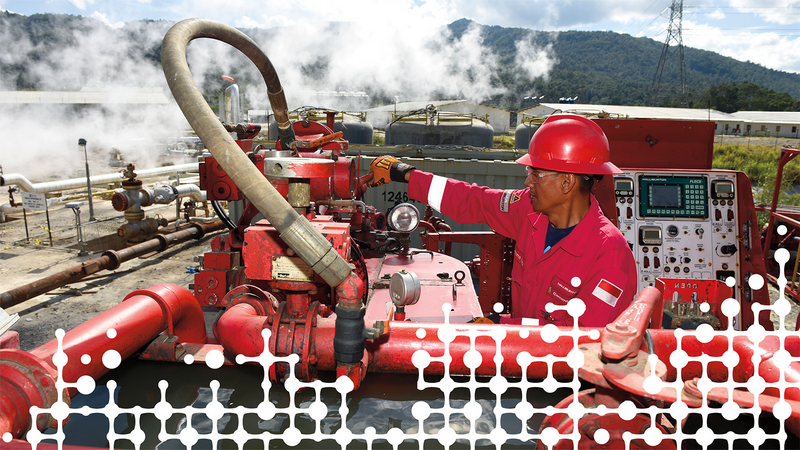
Halliburton delivers a low cost per megawatt in geothermal well construction by driving efficiencies in asset development, from field exploration through field optimization
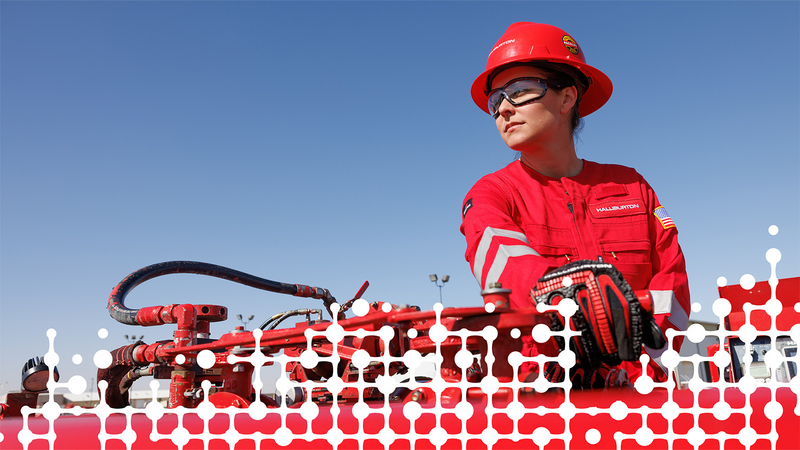
Halliburton's low carbon solutions and technologies can help execute a balanced energy transition for a sustainable future