GeoTap IDS with iCruise and LWD triple combo accomplishes pressure testing and fluid sampling to assess formation properties
Download PDFImprove drilling efficiency
Norwegian Continental Shelf

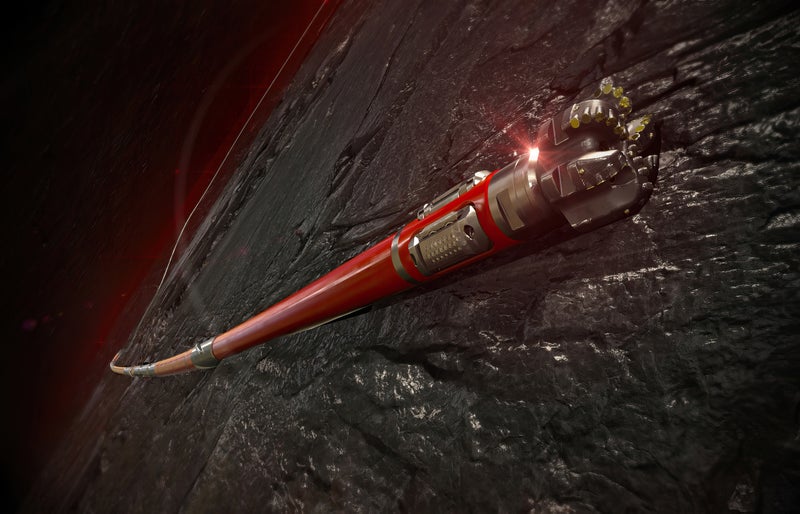
An operator on the Norwegian Continental Shelf (NCS) wanted to improve its drilling efficiency during challenging business times. Prior to drilling a horizontal producer well, it was decided to first drill a pilot hole through the gas condensate reservoir to assess formation properties and reduce reservoir height uncertainty. Key elements of the logging-while-drilling (LWD) data acquisition program were pressure testing and fluid sampling. Halliburton Sperry Drilling’s GeoTap® IDS fluid identification and sampling sensor was chosen to get the job done. An iCruise® intelligent rotary steerable system (RSS) was the driving force, accompanied by the following additional sensors: ALD™ (azimuthal lithodensity), CTN™ (compensated thermal neutron), GM (gamma ray), and ADR™ (resistivity) to deliver a complete LWD sampling solution.
The GeoTap IDS incorporated several technical enhancements over earlier designs for this high-priority project, including a re-designed generator to guarantee smooth job execution. In addition to improvements in the hardware, it was equally important to understand the customer’s business objectives, conduct extensive pre-project planning, and align all team members for effective communication. This collaborative spirit aided in the quick resolution of issues that arose during the job.
The result was the successful recovery of four low-contamination samples, which were quality checked at the wellsite, and then sent to a fluids laboratory for further evaluation. Preliminary lab results confirmed samples of gas condensate with contamination as low as 1.1%.
Collecting low-contamination samples via GeoTap IDS allowed the operator to evaluate the reservoir fluid composition and the pressure-volumetemperature (PVT) properties. The pre-test pressure data was used for gradient analysis to confirm fluid types, fluid contacts, and to evaluate possible depletion and reservoir compartmentalization.
The Geotap IDS probe was deployed 28 times in total, acquired formation pressure at 16 stations, and collected four fluid samples according to plan. Lessons learned were captured and new workflows are under development to address challenges encountered on the job—such as dealing with a plugged density sensor, accurate targeting of thin sands, and setting up the test parameters optimally in high-mobility formations. These will help to strengthen Sperry’s trusted technical advisor relationship with the customer.
Stations acquired formation pressure data
Geotap IDS probe deployments
Fluid sample collections
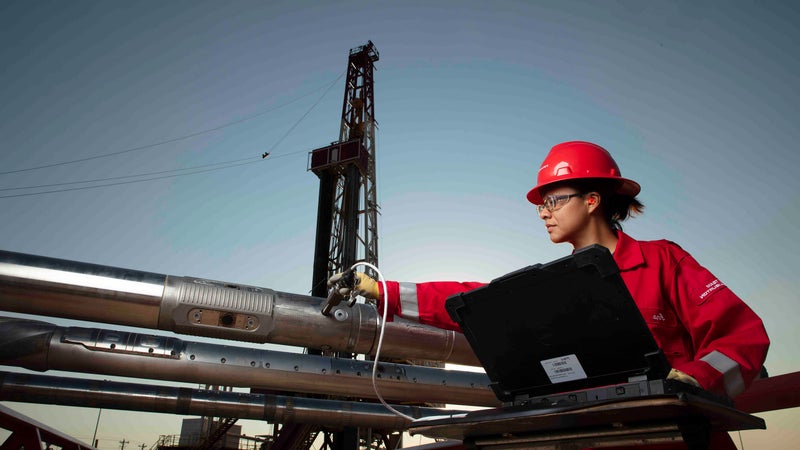
Gather real-time, high-quality data while drilling for improved subsurface insight, increased ROP, and enhanced wellbore stability
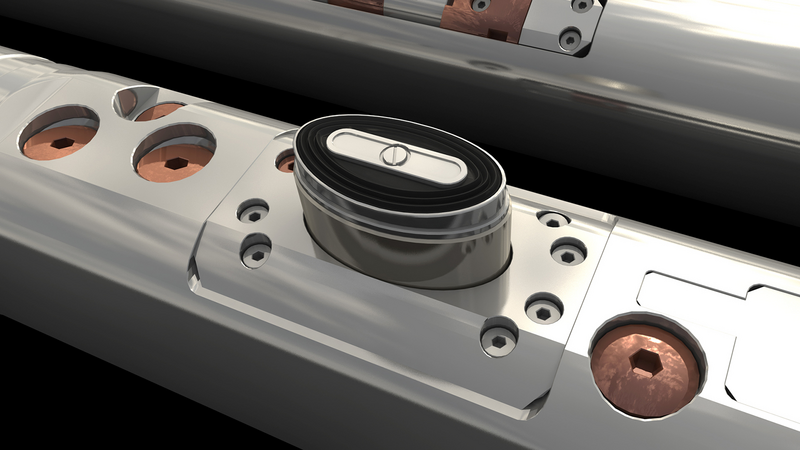
Fluid identification and sampling solution.
Expand drilling capabilities to optimize drilling performance and maximize asset value.