
In celebration of Geothermal Day, Halliburton Energy Pulse Blog spotlights a groundbreaking collaboration with GeoFrame Energy. Their innovative project in the Smackover formation integrates geothermal energy with direct lithium extraction (DLE) to help secure a domestic lithium supply and support local energy needs. This conversation explores how geothermal power not only drives sustainable lithium production but also unlocks new possibilities for industrial innovation.
Christine Campbell, Halliburton Energy Pulse Editor: Can you explain the motivation behind combining geothermal energy with DLE in the Smackover formation?
Laura Zahm, Chief Geologist at GeoFrame Energy: Absolutely. The rapid growth of electric vehicles, energy storage, and consumer electronics creates an increased demand for lithium. Global lithium consumption reached 220,000 metric tons in 2024, a 29% increase from the previous year.[1] However, the United States relies on imports for nearly all its lithium supply, which leaves supply chains vulnerable and misses out on the economic benefits of domestic lithium production. At GeoFrame Energy, the team strives to change that through the unique combination of geothermal energy with DLE in the Smackover formation.
Campbell: What makes the Smackover formation suitable for this project?
Zahm: The Smackover formation, which stretches from northeast Texas to the Florida panhandle, historically produced oil and gas. But beneath its surface lies a new opportunity in the form of waters rich in lithium and boron. While we used to dispose of these brines, they now stand at the heart of a technological transformation.
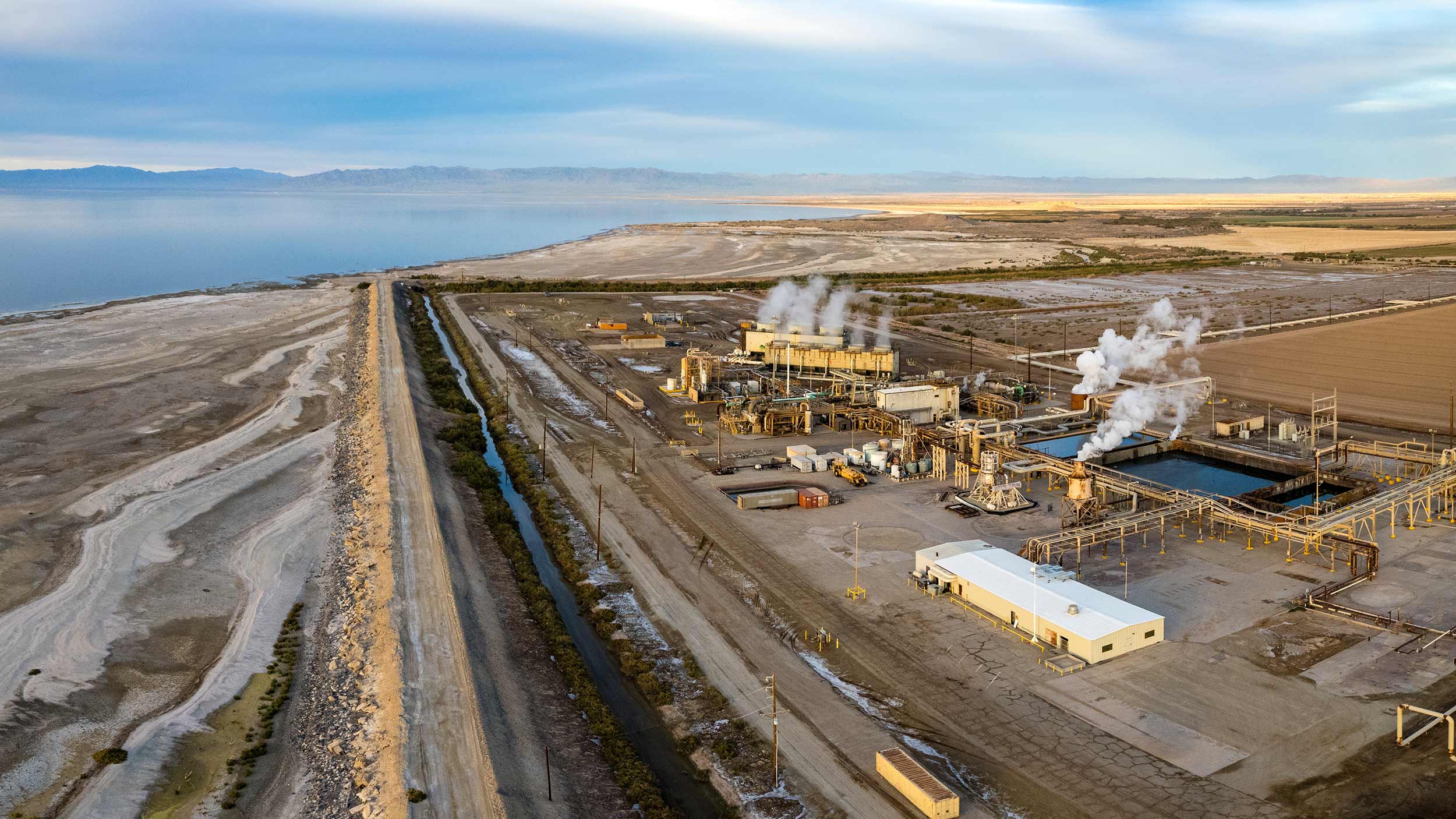
This project aims to extract lithium from these deep brines, located about 12,000 feet underground, with advanced DLE technology. GeoFrame’s integration of geothermal energy production sets our approach to DLE apart. This combination of geothermal energy and DLE represents a first for this region and a model for sustainable resource development worldwide.
Campbell: How does your closed-loop system work?
Zahm: A closed-loop system sits at the core of our process. We bring subsurface water at 275°F to the surface under carefully controlled pressure, with the assistance of Halliburton’s engineering expertise. This prevents the fluid from flashing to steam, which would otherwise complicate lithium extraction and reduce mineral concentrations.
The hot brine first passes through heat exchangers where the heat is extracted into a working fluid which vaporizes and drives turbines, the turbines drive electrical generators, providing geothermal energy to power our operations, including the DLE process itself. This not only offsets power needs in a remote area but also maximizes the use of each well, which makes the project more efficient and sustainable.
The geothermal power generation cools the fluid and, once cooled, the fluid enters the DLE system, where solvents selectively bind to lithium ions. This allows us to separate and collect the ions and produce lithium carbonate, essential for battery producers. The remaining brine, now minus its lithium, either gets reinjected into a shallower subsurface horizon or, potentially, desalinated for agricultural use. This future step could further benefit the local community.
Campbell: Why is domestic lithium production important?
Zahm: The ability to produce a domestic supply of lithium improves national security, supply chain resilience, and economics. In our current environment, the lithium we use comes from overseas. That creates a supply chain risk, and this project addresses the need for domestically produced lithium.
Locally, Mount Vernon, Texas, already feels a positive impact from the project. As we move forward with geothermal energy production and DLE, the revenue generated will flow back into the county and city to support schools and public services. At some point, we hope to generate enough energy to put electricity back into the municipality’s power grid.
Campbell: What role does Halliburton play in this project?
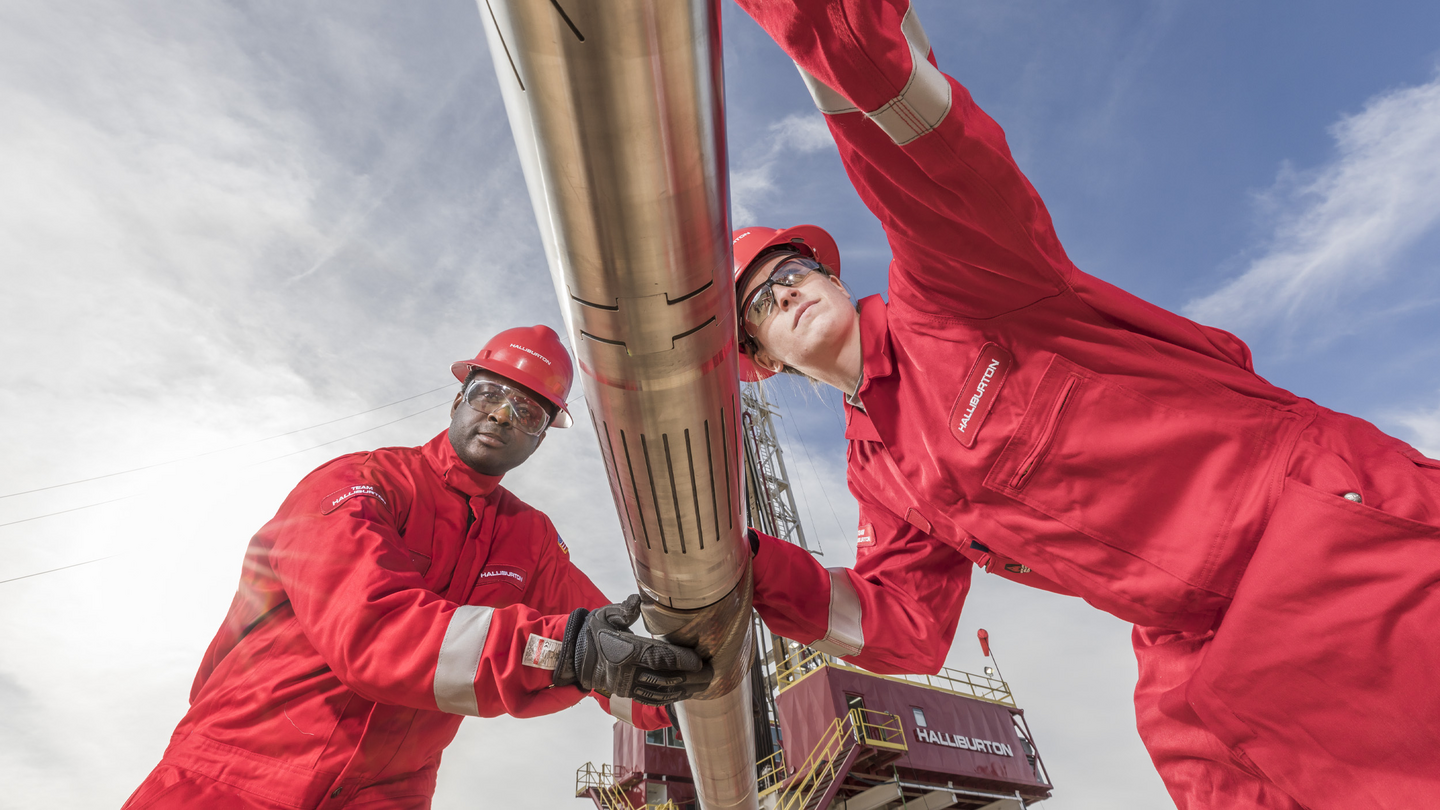
Zahm: The work required to design a field well for both geothermal and DLE requires extensive subsurface geology, reservoir engineering, project management, and geothermal energy system expertise. With 9,000 acres under development, we must place 34 production wells and 21 injection wells optimally to avoid interference and maximize efficiency. Halliburton’s project management and reservoir engineering teams played an essential and key role in this process and helped model fluid pressures, select downhole pumps, and design wellhead equipment for both extraction and reinjection.
Fluid pressure management presents a particular challenge, as we possess limited historical data from the region. The collaboration with Halliburton allowed us to design a system that maintains the integrity of the Smackover formation, preserves lithium concentrations, and ensures long-term operational success.
The collaboration with Halliburton allowed us to design a system that maintains the integrity of the Smackover formation, preserves lithium concentrations, and ensures long-term operational success.
Campbell: As we wrap up, what do you hope readers take away from this project and its broader impact?
Zahm: As we look ahead, the lessons learned in the Smackover formation can transfer to similar projects worldwide. But the implications go even further. Residual heat in industrial processes crosses many different industries. Within our project, we proved that working fluids can sit at a cooler temperature than previously thought. As we move forward, we can incorporate geothermal into a wider range of industrial processes - we just need a turbine.
When we harness geothermal energy to power direct lithium extraction, we not only unlock a new, responsibly harvested domestic source of lithium but also demonstrate how renewable geothermal energy can drive industrial innovation, community growth, and national resilience.
The collaboration with Halliburton has been instrumental in maintaining the integrity of the formation and ensuring long-term success. Ultimately, we hope our approach inspires similar projects worldwide and shows that sustainable energy solutions can deliver real benefits for local communities and the broader economy.
[1] https://pubs.usgs.gov/periodicals/mcs2025/mcs2025-lithium.pdf
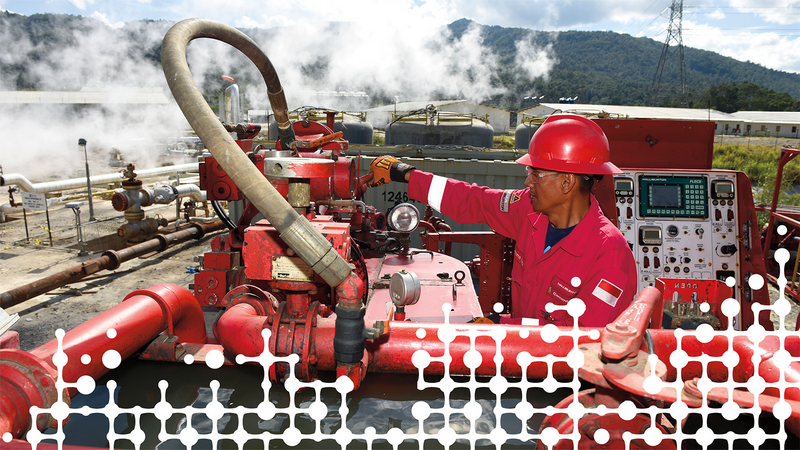
Halliburton delivers a low cost per megawatt in geothermal well construction by driving efficiencies in asset development, from field exploration through field optimization
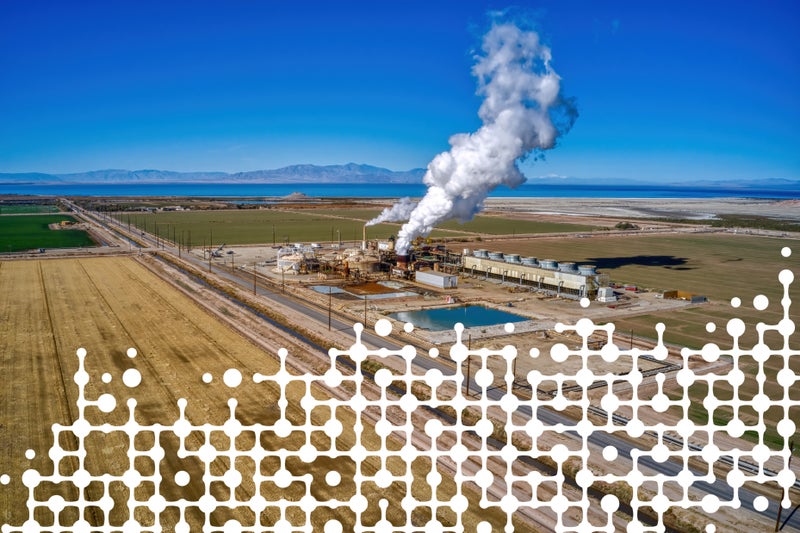
Create smaller mining footprints, reduce operational costs, and improve operational efficiency with Halliburton DLE technology and services.