First global deployment supports retrofit multilateral strategy and long‑term reservoir access
Download PDFDeep Water

Validate new valve technology during complex rMLT completion

North Sea

Aker BP selected a retrofit multilateral completion strategy in the North Sea to increase oil recovery and extend the productive life of an existing offshore asset without drilling a new well. Executed in the Edvard Grieg field, the project marked Aker BP’s first retrofit multilateral completion (rMLT) and the first global deployment of an electro‑hydraulic control system in this environment. These factors introduced additional technical and operational complexity and required a robust, future‑ready completion architecture.
The retrofit targeted improved zonal control and real‑time reservoir management to unlock additional reserves from an existing wellbore. These objectives required close collaboration between Aker BP and Halliburton to introduce new valve technology, integrate multilateral architecture, and modify surface control systems while the team helped maintain well integrity and met offshore assurance requirements.
Aker BP’s primary objective was to increase oil recovery through the conversion of a single-bore production well into a multilateral well with active branch control. The team worked within key wellbore constraints, helped maintain well integrity and well control, and optimized the intervention scope. A key requirement included the qualification of a new inflow control valve under Aker BP’s business management system (BMS) and technical assurance process, within tight time constraints. The project also required modifications to the topside control system to support electro-hydraulic operation. The team had to qualify new valve technology while the rMLT deployment progressed, which increased planning and execution risk. These requirements demanded precise planning, disciplined assurance, and coordinated offshore execution.
Halliburton deployed the Turing® electro-hydraulic control system to support the qualification of new valve technology and execution of a complex rMLT completion in parallel. The work required phased planning and close collaboration between Halliburton and Aker BP to meet offshore assurance requirements and protect well integrity.
Halliburton and Aker BP formed a cross-functional team with engineering, operations, and assurance specialists. The team divided work into design validation, technology qualification, and execution planning, supported by technical reviews and documented decision points. Assurance processes met Aker BP standards for new technology introduction and aligned with internal governance and technical requirements. The team conducted risk assessments for the design and execution stages to identify hazards and apply controls that helped reduce risk. Controls included contingency plans, monitoring protocols, and verification steps that supported well integrity and operational reliability. This approach supported delivery within the schedule while the team maintained safety and performance objectives.
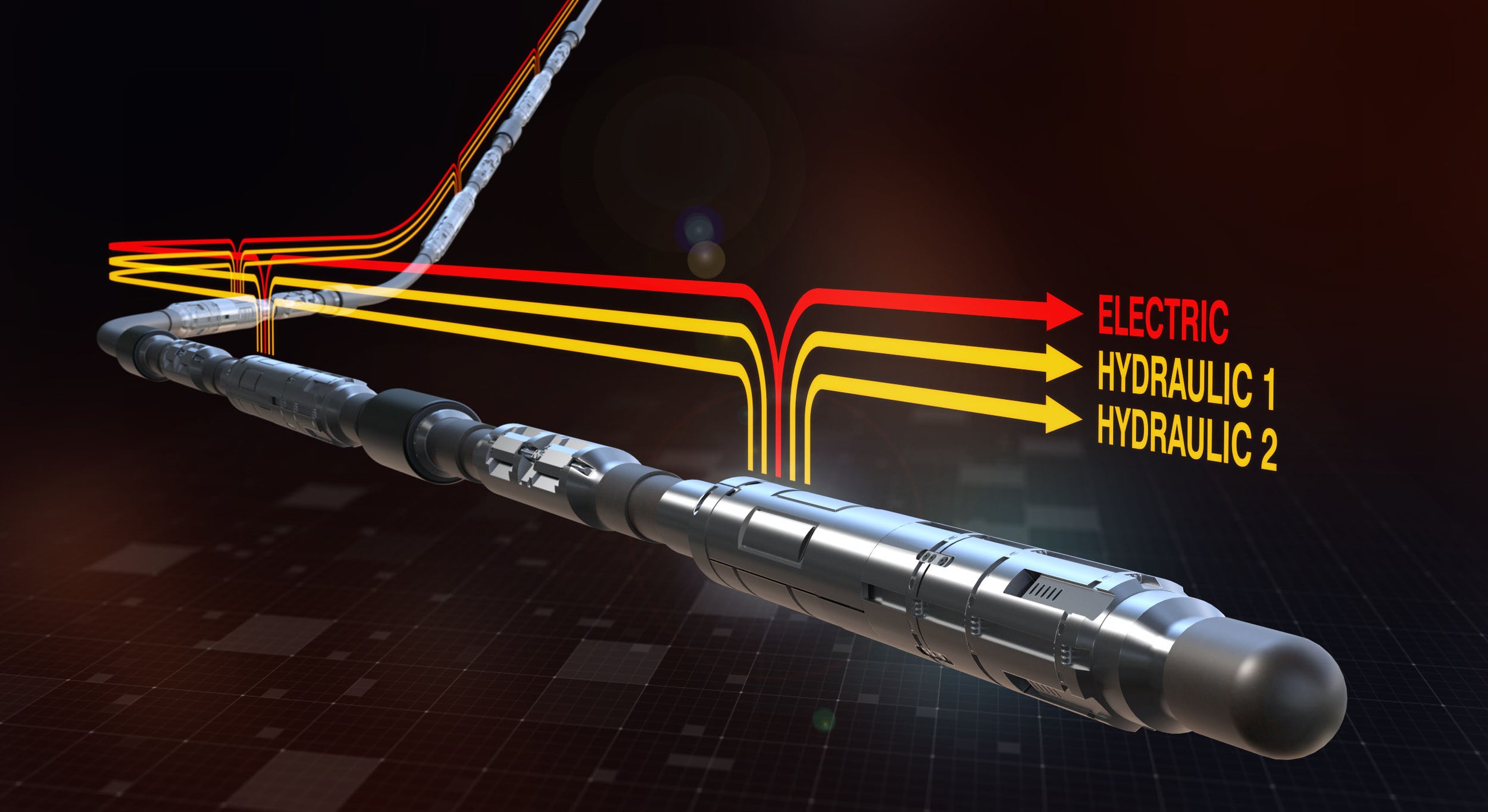
The Turing system simplified control-line architecture by using two hydraulic lines and one electric line, which reduced installation complexity during offshore assembly. This streamlined design reduced terminations and connections and helped reduce the risk of human error during assembly. As a result, the system reduced rig time and lowered operational risk while supporting cost control. Its modular design supported rapid deployment and integration with existing hardware, which simplified offshore logistics and equipment management.
Compared with a fully hydraulic valve, the Turing system achieved shorter activation cycles, which reduced rig time during critical operations. Shorter cycling also improved offshore preparation workflows and reduced time spent on deck, which supported safer execution and future mobilization optimization.
In parallel, Halliburton multilateral completion architecture supported reservoir recovery by providing multilateral access through an existing wellbore. Access to additional reserves through an existing wellbore allowed Aker BP to avoid drilling a new well, which reduced operational footprint. Integration of multilateral architecture into the A19 retrofit extended the asset's productive life and supported improved field economics.
Field life and increase production
Activation cycles achieved
Global deployment of Turing® system
Operational risks
Deployment of the Turing® electro-hydraulic control system supported outcomes aligned with Aker BP retrofit multilateral strategy: reduced installation complexity and rig time through simplified control-line architecture, improved operational efficiency through shorter activation cycles and streamlined offshore workflows, support for real-time reservoir monitoring and dynamic branch management for active multilateral control, demonstrated consistent intelligent valve performance in a complex retrofit environment, and a scalable, future-ready completion architecture that supports long-term reservoir access. The deployment builds confidence for a broader implementation and shows how intelligent completions combined with multilateral architecture can support improved recovery from existing assets.
Voice of the operator:
The deployment of the Halliburton Turing electro‑hydraulic control system in the Edvard Grieg A19 well marked an important step for Aker BP as we advanced our retrofit and intelligent completion strategy. Conversion of an existing single bore producer into a multilateral well with active branch control presented technical and operational challenges, particularly the requirement to qualify new valve technology within a tight schedule. Halliburton’s structured approach to technology qualification, risk management, and execution gave us confidence that well integrity and operational reliability would be maintained throughout deployment. Turing system simplified architecture delivered tangible offshore benefits that reduced installation complexity, rig time, and operational risk. Combined with the multilateral completion, the solution improved zonal control and real‑time reservoir management and extended productive life of the asset without drilling a new well. This deployment demonstrates how close cooperation and advanced technology can unlock additional value from mature fields and support our longer‑term strategy for scalable, low‑cost reservoir access and intelligent completion design.
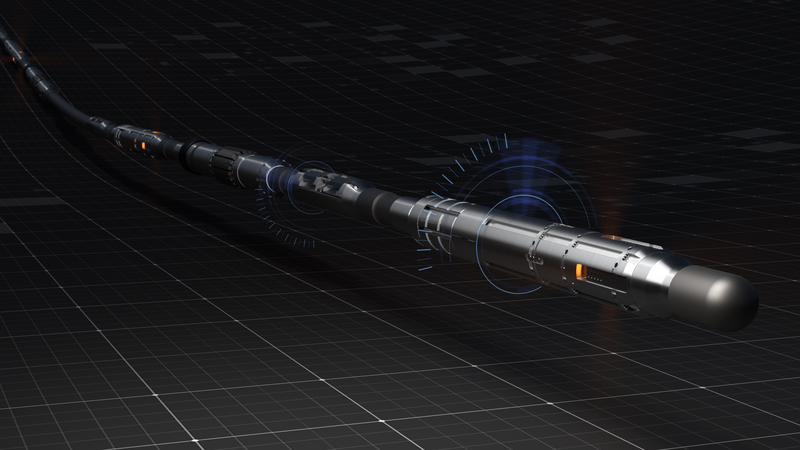
Collect, transmit, and analyze downhole data, and remotely control and monitor reservoir zones with Halliburton SmartWell® completion systems.