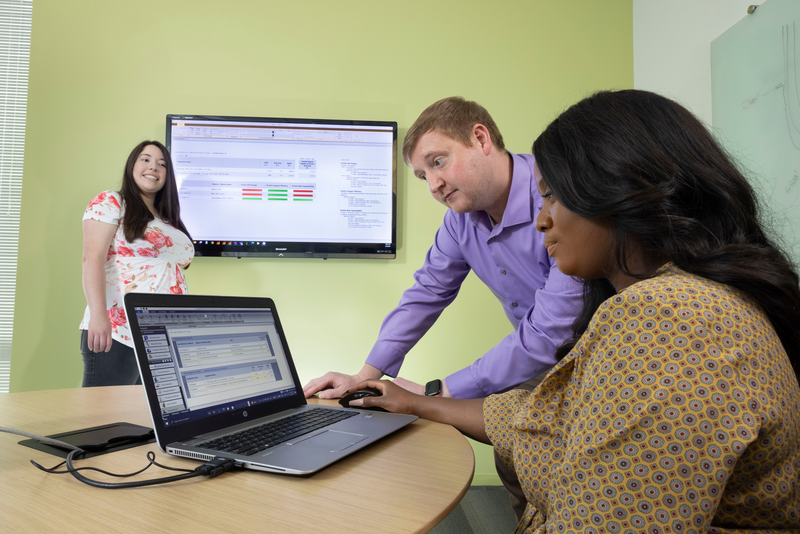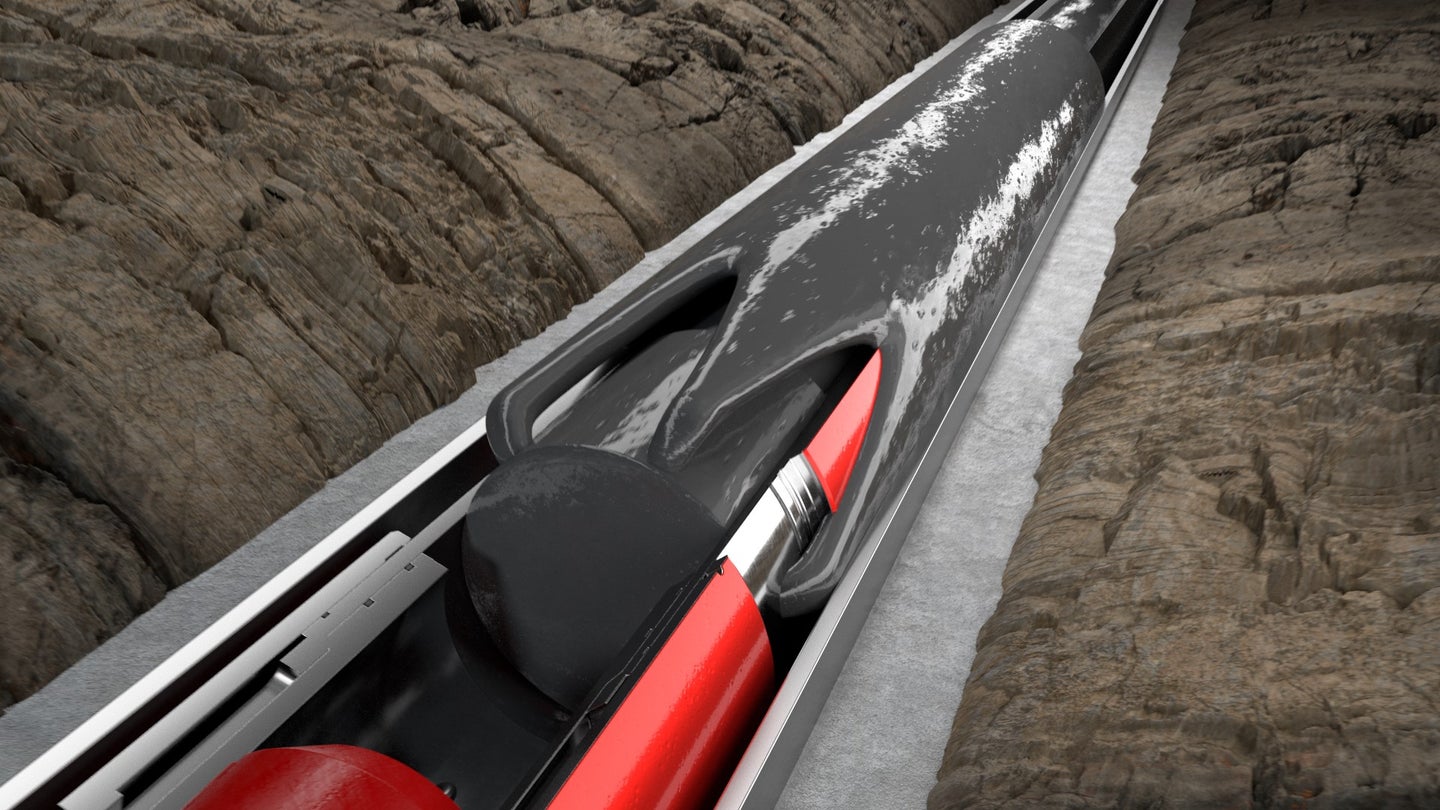
Real-time surface and downhole data provides immediate insights into top of cement and annular coverage to confirm barrier integrity during execution
talk to an expertCementing teams gain continuous insight into fluid behavior, pressure response, annular coverage, and top of cement progress through a unified digital view drawn from surface and downhole inputs. This allows operators to replace delayed post-job reviews with immediate confirmation of cement placement and barrier integrity. The system supports improved execution quality by helping teams make informed decisions during every stage of the job.
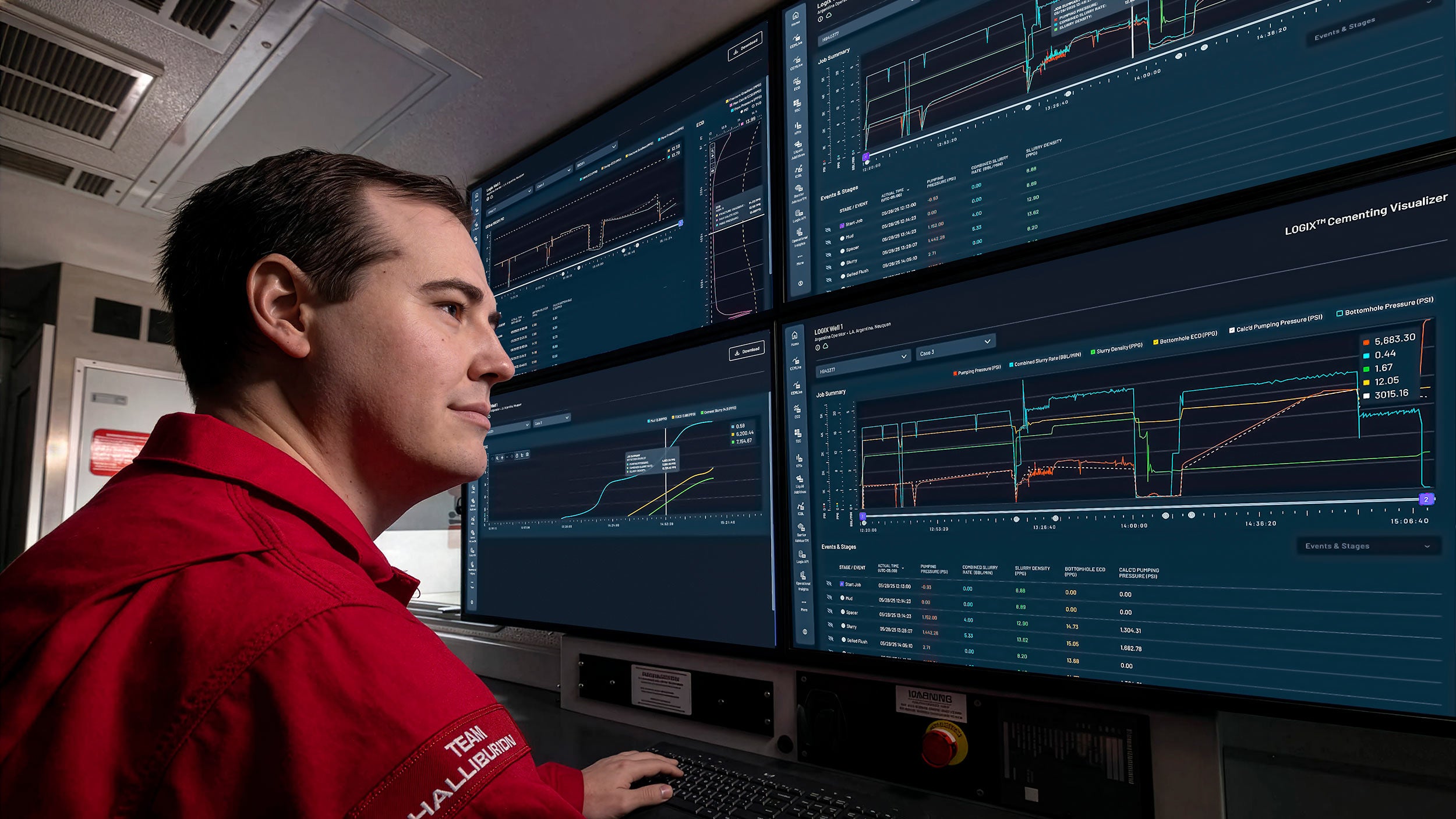
Part of LOGIX™ automation and remote operations digital solutions, the LOGIX Intelligent Cementing platform provides live surface data. This includes pumping pressure, pump rate, slurry density, and pumped volume. These measurements provide a live picture of how the cement is positioned inside the wellbore. Both on-site and remote teams can monitor operations simultaneously, which helps reinforce consistent execution across locations. Real-time TOC updates inform placement accuracy and support well integrity objectives.
Available modules
CEMLive Lite provides live surface data such as pumping pressure, pump rate, slurry density, and pumped volume to support remote teams or lower-risk operations
CEMLive Pro expands Lite capability by adding downhole simulation for immediate pressure matching
ECD Pro monitors real-time ECD and compares values against design limits to help prevent formation damage
Future modules
Liquid additive system (LAS) monitors additive injection rates and volumes in real time during slurry mixing to help ensure accurate additive formulation throughout the operation
iLOG capability simulates expected cement bond log responses to guide execution decisions and may reduce the number of CBLs run across future wells.
KPIs Pro tracks pressure, rate, density, ECD, and compliance percentages relative to design tolerances to help support real-time quality control and improve operational discipline
LOGIX API allows for instant data integration into customer systems and unified dashboards
Barrier Advisor™ model uses machine learning models and nearest-neighbor analytics to compare current job conditions with historical cases from a global database or the operator’s field, basin, or portfolio to optimize design decisions
A hydraulic digital twin uses live data from surface equipment to simulate downhole conditions. This helps operators evaluate annular fill, TOC progress, and pressure behavior while the operation is underway. Early insight into fracture gradient, pore pressure, and other well‑integrity parameters support safer and more predictable cementing operations. This approach reduces reliance on post-job interpretation and can minimize the need for additional logging runs.
Additive delivery is monitored continuously to confirm injection rates and volumes during mixing. This helps ensure actual concentrations match the design and supports the creation of a consistent slurry across the full operation. This capability is particularly important in offshore and on-the-fly mixing environments where precision influences long-term wellbore integrity.
Cloud based access to real-time and historical cementing data allows engineering teams to identify trends, optimize practices, and help ensure continuous improvement across wells, pads, and campaigns from any location. This visibility strengthens operational continuity, supports performance benchmarks, and simplifies documentation for internal review or regulatory needs. The ability to compare jobs over time encourages consistent execution and long-term operational learning.
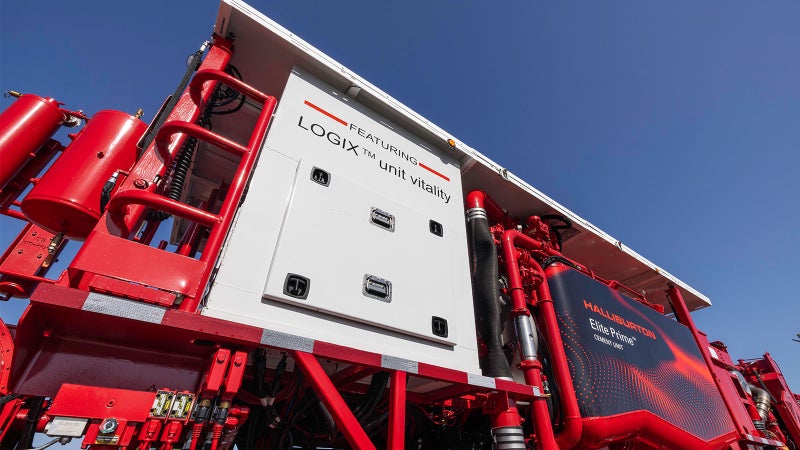
Real-time data and AI-driven models provide insights into equipment readiness that help increase reliability, efficiency, and barrier execution consistency.

Tailored design decisions employed by machine learning to improve the probability of operational success.
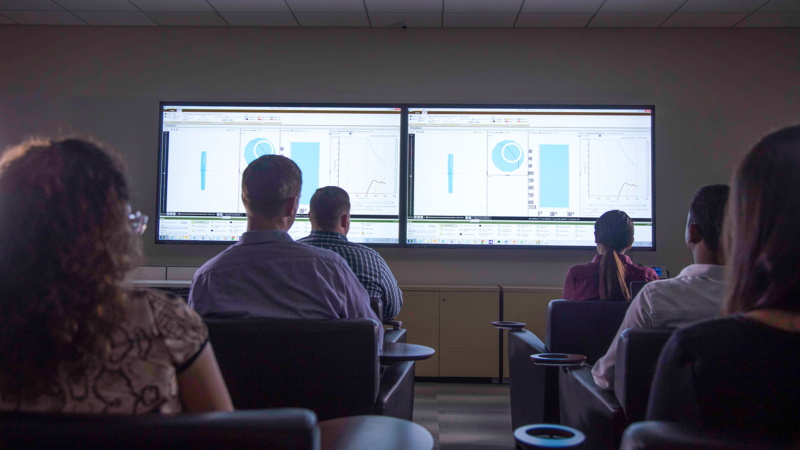
Cementing barrier design and tailoring digital twin software that enables real-time job monitoring, evaluation, and instantaneous barrier validation.

The Halliburton cement log visualizer predicts cement bond integrity before the job, validates with real-time data, and helps reduce logging runs
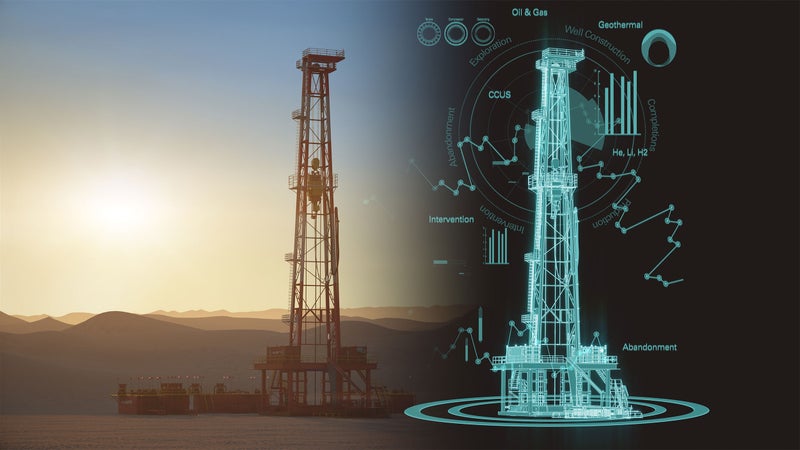
Advanced FEA analyzes the casing, cement sheath, and formation information to determine the cement mechanical properties necessary for long-term integrity.
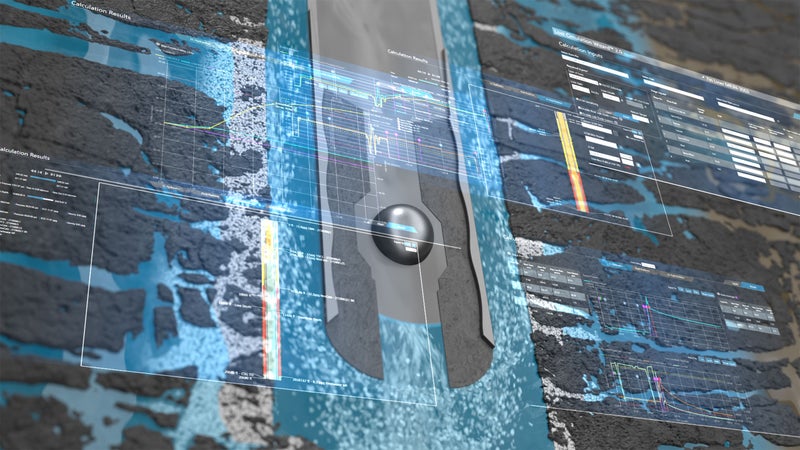
Lost Circulation Wizard™ software allows Halliburton technical professionals to predict the optimal LCM/fluid package to mitigate losses during and after cement operations.