By Amr Hassan, Vice President of Drill Bits and Services
As wells become longer and more complex, directional drilling becomes a strategic constraint and forces operators to balance competing requirements. In the curve, they require a short, responsive bit that reacts quickly to steering input. In the lateral, they require stability, often achieved through longer gauge pads, to maintain hole quality and stability. Material choice introduces another trade‑off. Steel bodies support shorter, more responsive designs, while long vertical‑curve‑lateral (VCL) and curve‑lateral (CL) applications often demand the durability and erosion resistance of matrix body PDCs. When bit design cannot reconcile these opposing needs, operators lose efficiency, shorten runs, or plan additional trips.
Many of these issues trace back to bit design, and more specifically, how the bit’s length and materials influence both directional response, stability, and durability. The challenge lies in designing tools so operators no longer must choose between responsiveness and durability.
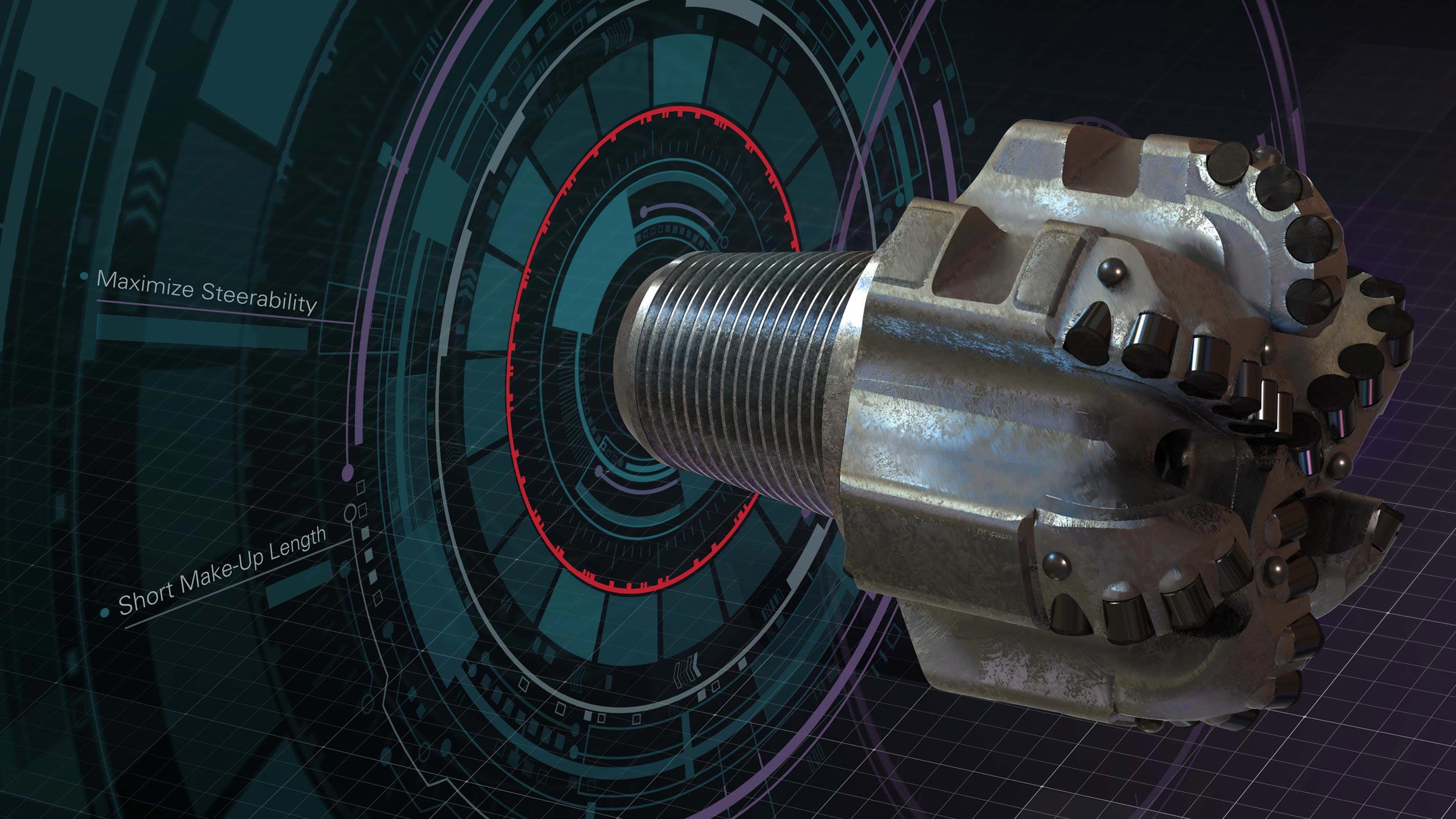
In directional applications, the bit converts steering force into rock‑cutting action. The distance between the steering mechanism and the cutting structure determines how efficiently that force transfers to the formation.
Traditional bit designs include a shank to make or break the bit, which adds length between the cutting structure and the directional system. The industry adopted that design years ago, but operators increasingly see its limitations as wells become more complex. Extra length minimizes directional responsiveness, reduces effective side force transferred to the bit, and makes it harder to achieve planned dogleg severity, especially in curve sections.
Operators often attempt to mitigate these effects through parameter changes or tighter operating windows. Those adjustments keep the well on track, but they also reduce rate of penetration or efficiency.
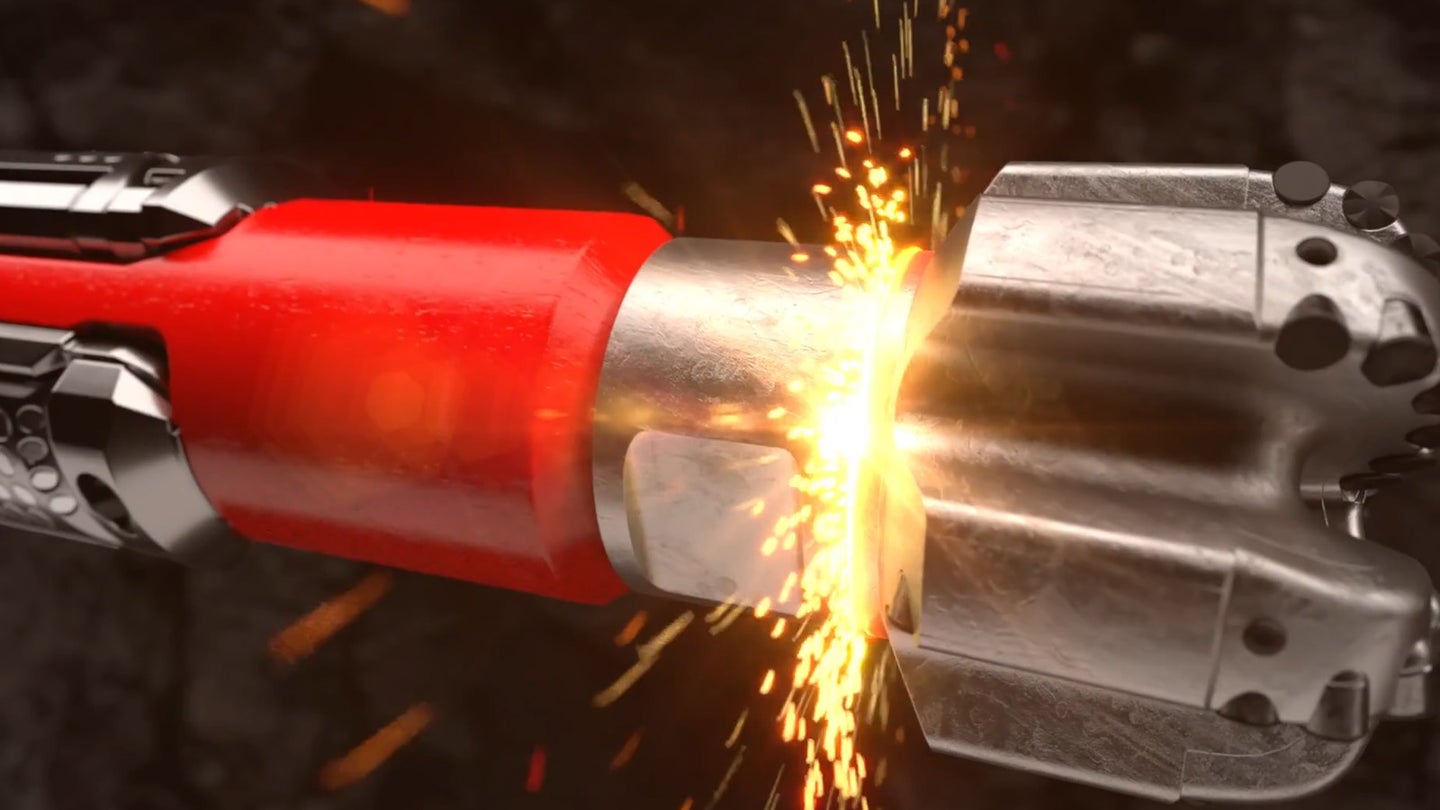
A shankless bit design addresses this issue directly. Through the removal of the shank, the bit becomes shorter and places the cutting structure closer to the directional tool. That change improves mechanical efficiency across the bottomhole assembly.
With less distance to overcome, steering forces reach the cutters more effectively. The bit responds faster to directional commands. Curve sections drill more efficiently, and trajectory control becomes more consistent. This approach benefits both rotary steerable systems and conventional motor assemblies through the improvement of how the bit reacts to applied side force.
Rather than a need to compensate for architectural limitations, bit designers remove them.
While shorter bit length improves directional response, durability remains a practical constraint. In abrasive or erosive formations, or when applications required extreme footage, operators need bits that maintain gauge, resist washout, and deliver consistent performance over long intervals. Early shankless designs addressed directional difficulties, but designers could only build them with steel bodies, which limited run length in harsh environments.
Shankless designs built with matrices address this gap. Matrix materials resist erosion and abrasion more successfully than steel, particularly in high‑flow or abrasive conditions. When combined with shankless geometry, matrix‑body bits preserve directional responsiveness and simultaneously extend bit life. This combination allows operators to apply shankless PDCs in wells where durability previously dictated more conservative choices.
Modern bit design must eliminate tradeoffs, not manage them. HyperSteer™ directional drill bits applies this with shankless architecture across steel body and matrix body platforms. The matrix body version, HyperSteer™ MX directional drill bit, uses the same reduced length for applications that demand higher erosion resistance and longer run capability.
Through the combination of a shankless profile with matrix materials, HyperSteer™ MX directional drill bits address two common operator challenges at once: directional inefficiency and limited bit life. Operators can maintain precise steering in curve and lateral sections, and at the same time, reduce trips caused by body damage or erosion. This approach supports longer runs, fewer interruptions, and more predictable execution in abrasive formations, without the need to change overall drilling strategy.
For operators, shankless matrix-body design opens up new drilling possibilities. It aligns bit architecture with modern drilling demands, allowing for faster and more consistent directional response, improved curve efficiency without added operational complexity, greater resistance to erosion and abrasion in harsh environments, and a reduced need for corrective actions or additional runs. Shankless matrix designs allow operators to address both steerability and durability simultaneously, instead of making trade-offs.
As directional drilling evolves, success will depend less on compensation for limitations and more on how to design them out entirely. The push toward longer, more complex wells requires bit design to remove structural limitations and improve performance where it matters most. Shankless architecture improves how the bit interacts with the directional system, while matrix materials extend that capability into abrasive and erosive conditions.
Directional drill bits designed for high build rates in curve and lateral applications.
Fixed cutter and roller cone bits are engineered to optimize performance by using our global network of engineers to design the right bit for the right application.
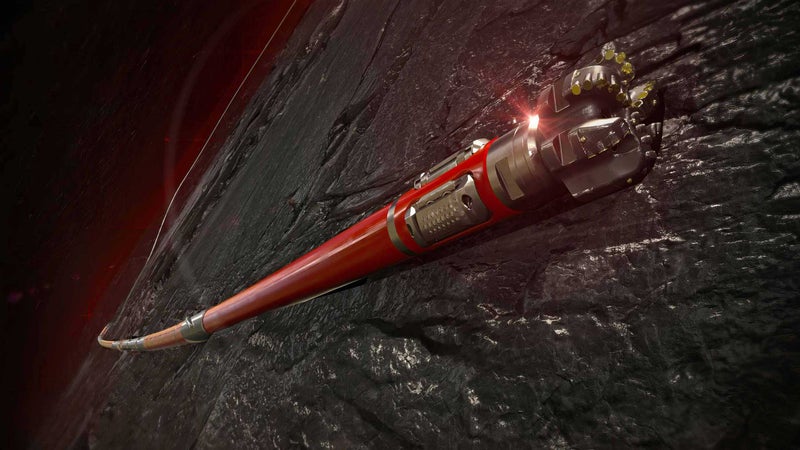
Directional drilling systems engineered to reduce well time and maximize reservoir contact from unconventional land to extended-reach deepwater drilling