Single-run deployment of 7-in. model 3L™ bridge plug and 9 5/8-in. RTTS® packer streamlines liner lap testing and improves safety
Download PDFMature Fields

ESP workover and acid stimulation on compact platform

Austria

An operator in Continental Europe collaborated with Halliburton to isolate a 7-in. liner and perform positive and negative tests on the 7-in. × 9 5/8-in. liner lap. The operator required a solution that minimized casing exposure during pressure testing, reduced fluid volume for inflow testing, and completed the operation in a single trip.
The operator faced a complex set of objectives that required precise execution. First, they needed to isolate the 7-in. liner lap for both positive and negative pressure tests while minimizing casing exposure to high-pressure conditions. Fluid volume reduction for inflow testing was also critical to optimize efficiency and limit operational risk. Finally, the operator wanted to complete the entire operation in a single trip to save time and reduce rig costs. These requirements demanded a solution that combined flexibility, reliability, and the capability to perform multiple tasks without additional runs.
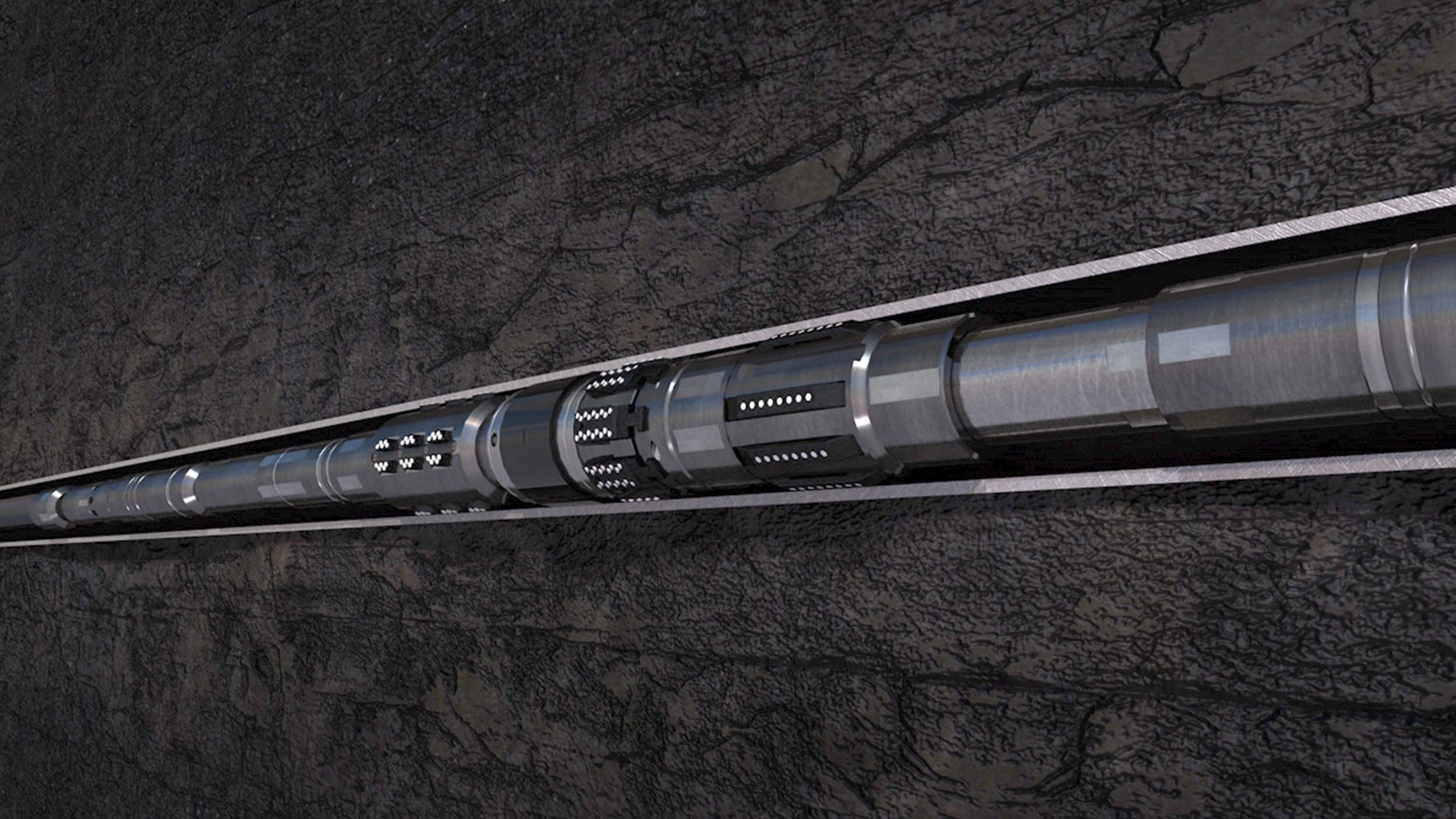
Halliburton deployed a 7-in. Model 3L™ retrievable bridge plug (RPB) in combination with a 9 5/8-in. RTTS® packer and RTTS® circulating valve. This configuration allowed the operator to isolate the liner lap and perform multiple tests without additional runs.
The team ran the RBP, packer, and circulating valve in a single run. The RBP was set 110 m below the liner lap at 4254 m to allow a positive pressure test to 50 bar (725 psi). The workstring was then picked up to set the RTTS packer and circulating valve 20 m above the liner top at 3994 m for further testing.
Although the initial test was unsuccessful, the packer’s capability to set and unset multiple times in one run allowed repositioning and ultimately a successful pressure test to 460 bar (6,670 psi). The team then displaced lighter fluid at 1,000 L/min (6.2 bbl/min) and performed an inflow test, which revealed a leak at the liner top.
To address the leak, the operator ran and tested a tieback liner to 50 bar (725 psi) with the RBP still set. A subsequent pressure test to 150 bar (2,175 psi) and a six-hour inflow test confirmed integrity. The operator then unset the packer, reversed out fluid, and recovered the RBP and packer to surface.
When gas was observed during retrieval, the team set the RBP again to circulate out the gas before final recovery, which demonstrated the flexibility of the Model 3L RBP.
Trip to set and release RTTS packer and Model 3L RBP
Hours of rig time saved
Estimated cost savings
Personnel exposure reduced due to solution
The capability to set and release the RTTS packer and Model 3L RBP in a single trip saved approximately 24 hours of rig time, which is an estimated USD 100,000 in cost savings. The solution also reduced personnel HSE exposure through reduced surface pipe handling. Despite multiple repositioning attempts, the robust equipment allowed the operator to achieve operational objectives efficiently and safely.
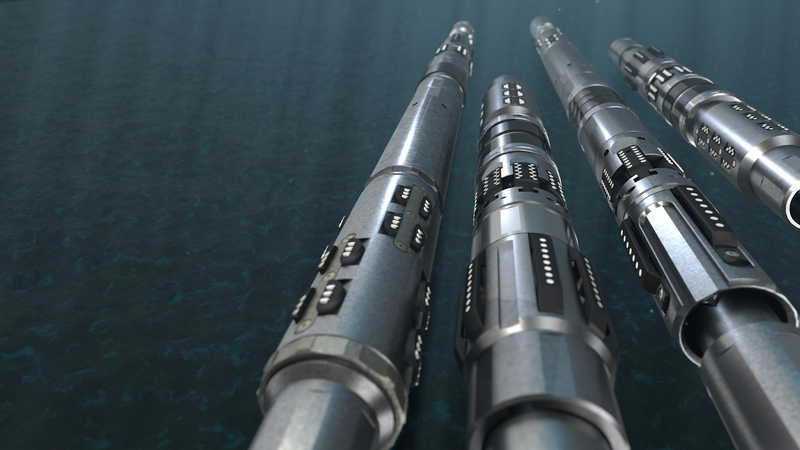
Isolate portions of the well to perform remedial repairs in versatile and economical ways