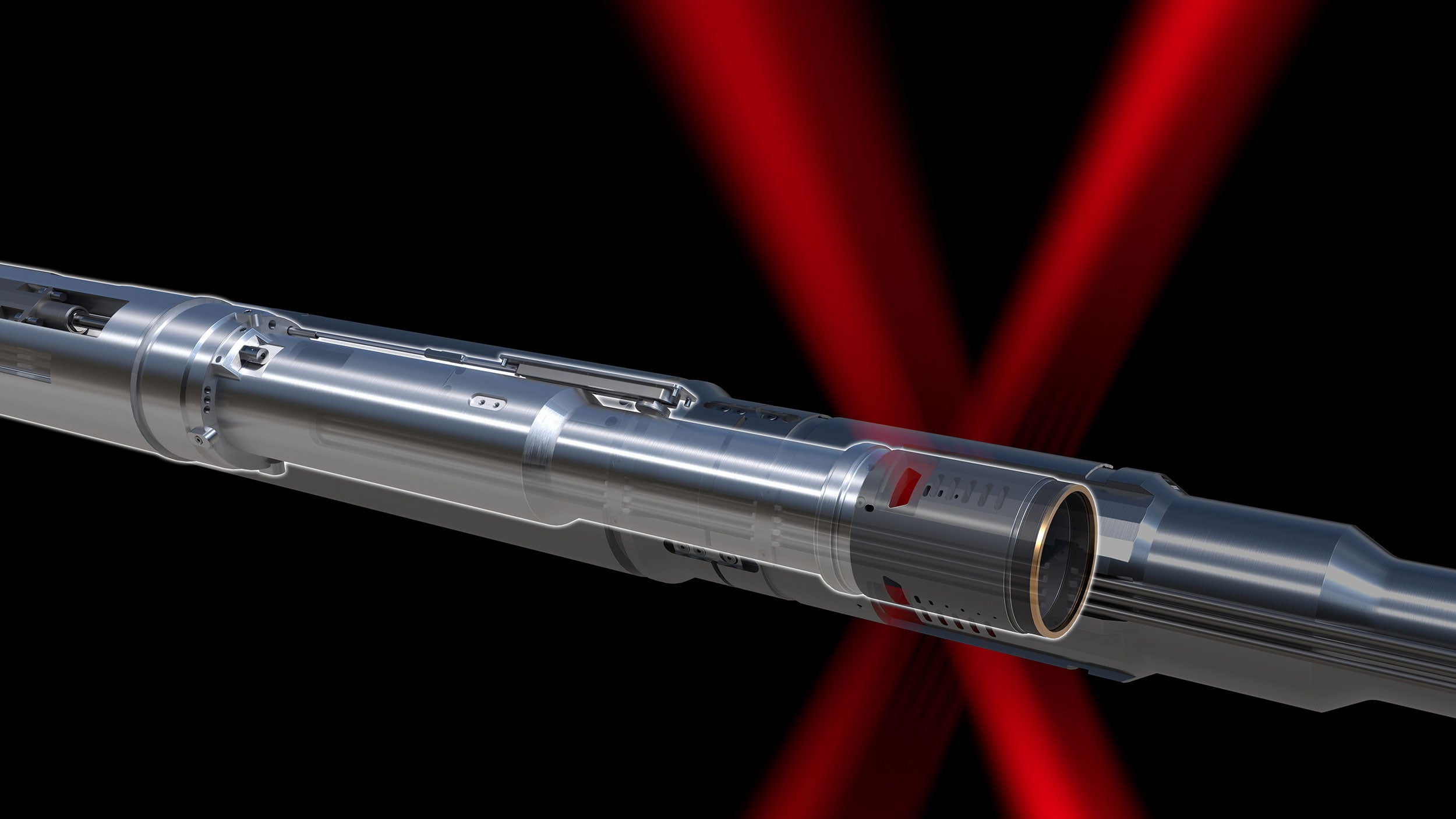
Find answers to frequently asked questions about Halliburton’s Volta™ all-electric control system for advanced flow control and well management.
Yes. The Volta all-electric control system interval control valve uses the same modified B-shifting profile as the HSICV design. It is compatible with established mechanical intervention procedures and tools used throughout the industry.
Mechanical shifting does not affect the electric actuation system. After intervention, the valve retains full electric functionality without additional component replacement or system reconfiguration.
No. An electric tree is not required. Volta all-electric control system operates through an interface card installed in a subsea canister, similar to permanent downhole gauge systems, while meeting IWIS interface requirements and the IWIS medium-power standard.
The system runs on a single-core TEC cable and can be operated through a standard single-pin electrical feedthrough connector, which supports straightforward deployment with existing subsea equipment.
The Volta all-electric control system integrates with existing subsea trees, control systems, and power and communication networks without adding subsea modules, manifolds, or directional control valves. It uses the same electronics canisters used for downhole gauges and fits within current control envelopes.
Volta all-electric control system is suitable for both new developments and existing fields. Operators can deploy a fully electric architecture in greenfield projects or adopt the platform in brownfield applications using current subsea control modules, power budgets, and umbilical infrastructure.
Volta all-electric control system simplify installation by using a single electric control line and eliminating hydraulic power units, multiple control lines, and associated fittings and manifolds. This reduces connections that require pressure testing and shortens installation duration.
The platform uses FMJ pressure-testable electrical connectors already deployed in gauge systems. This technology speeds up cable make-up and control-line pressure testing and can cut make-up and testing time by as much as 50 percent, depending on zone count.
Topside commissioning is simpler because the Volta all-electric control system fits into a standard rack-mount format and does not require hydraulic control panels, pumps, compressors, or accumulator skids. Only a standard electronics rack, a PC, and a server are needed.
The system uses standard electrical power supplies and communication protocols to connect directly to existing power distribution, SCADA or DCS environments, and control cabinets. Studies show that all-electric systems such as Volta all-electric control system can reduce the topside footprint by as much as 80 percent compared with hydraulic intelligent well systems.
Subsea environments benefit from the Volta all-electric control system because it removes hydraulic distribution, reduces potential leak paths, and simplifies architecture in deepwater applications where hydraulic systems are slow and costly to support.
Volta all-electric control system standardizes umbilical design with a single-core electrical line for any zone density. This simplifies engineering, procurement, subsea tree configuration, spares management, and maintenance. True modularity allows operators to add or remove zones without changing umbilicals, subsea equipment, or topside hardware.
During operations, bi-directional direct-to-position actuation enables much faster sleeve optimization, often up to two hundred times faster, which improves production responsiveness and field performance.
The Volta all-electric control system uses a fail-as-is positioning strategy. In the event of power loss or communication disruption, the valve maintains the last commanded position to preserve well control and prevent unintended movement.
Optional redundant communication paths can be configured to add resilience, and system settings can be aligned with regulatory requirements and operator preferences.
Yes. The SmartWell intelligent completions portfolio uses the IWIS medium-power unified controller card as a common interface. The card automatically detects the connected product, so operators can transition between SmartWell Hydraulic systems, Turing electro-hydraulic system technology, and the Volta all-electric control system without changing the interface card or redesigning the architecture.
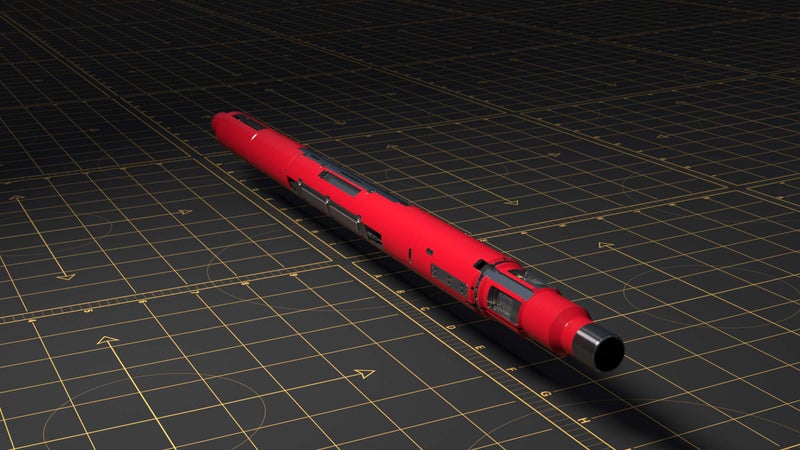
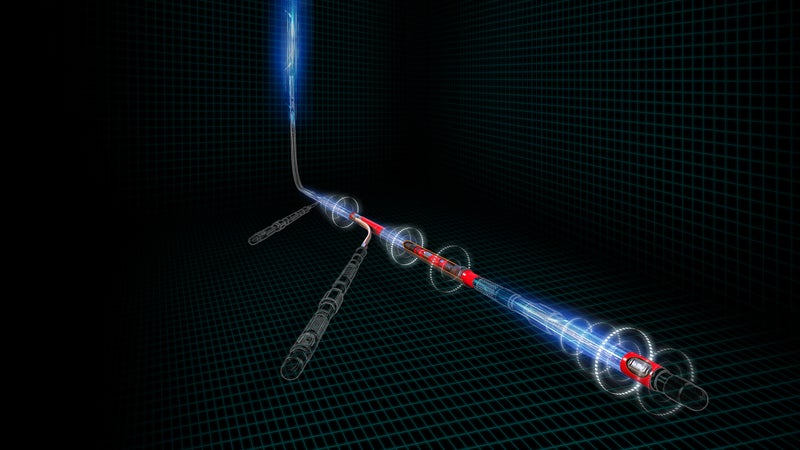
Volta delivers intelligent completions, zonal control, and real-time reservoir management for optimized well performance
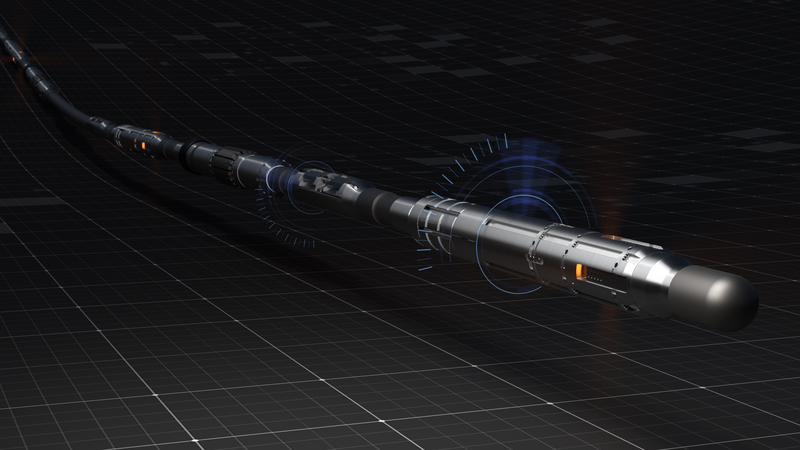
Collect, transmit, and analyze downhole data, and remotely control and monitor reservoir zones with Halliburton SmartWell® completion systems.
Halliburton intelligent completions technology help accelerate production and improve decision-making to increase ultimate recovery and maximize asset value

Breakthroughs in sensors and telemetry, advanced monitoring, and downhole neuro-networks will transform wellbores into data superhighways.