A customized corelog program with a digital rock physics solution at the center helped an operator reduce uncertainty and prove an overlooked reservoir
Download PDFUnconventional

Conventional SCAL limitations lead to uncertain resource estimates
Middle East

A major operator in the Middle East collaborated with Halliburton to address interpretation challenges in a complex carbonate reservoir that exhibited Low Resistivity Pay (LRP) behavior. Halliburton deployed a Digital Rock Physics (DRP) workflow that used FastSCAL® digital special core analysis simulations to deliver a rapid, scalable, and accurate solution, which allowed the operator to refine initial models and maximize asset value.
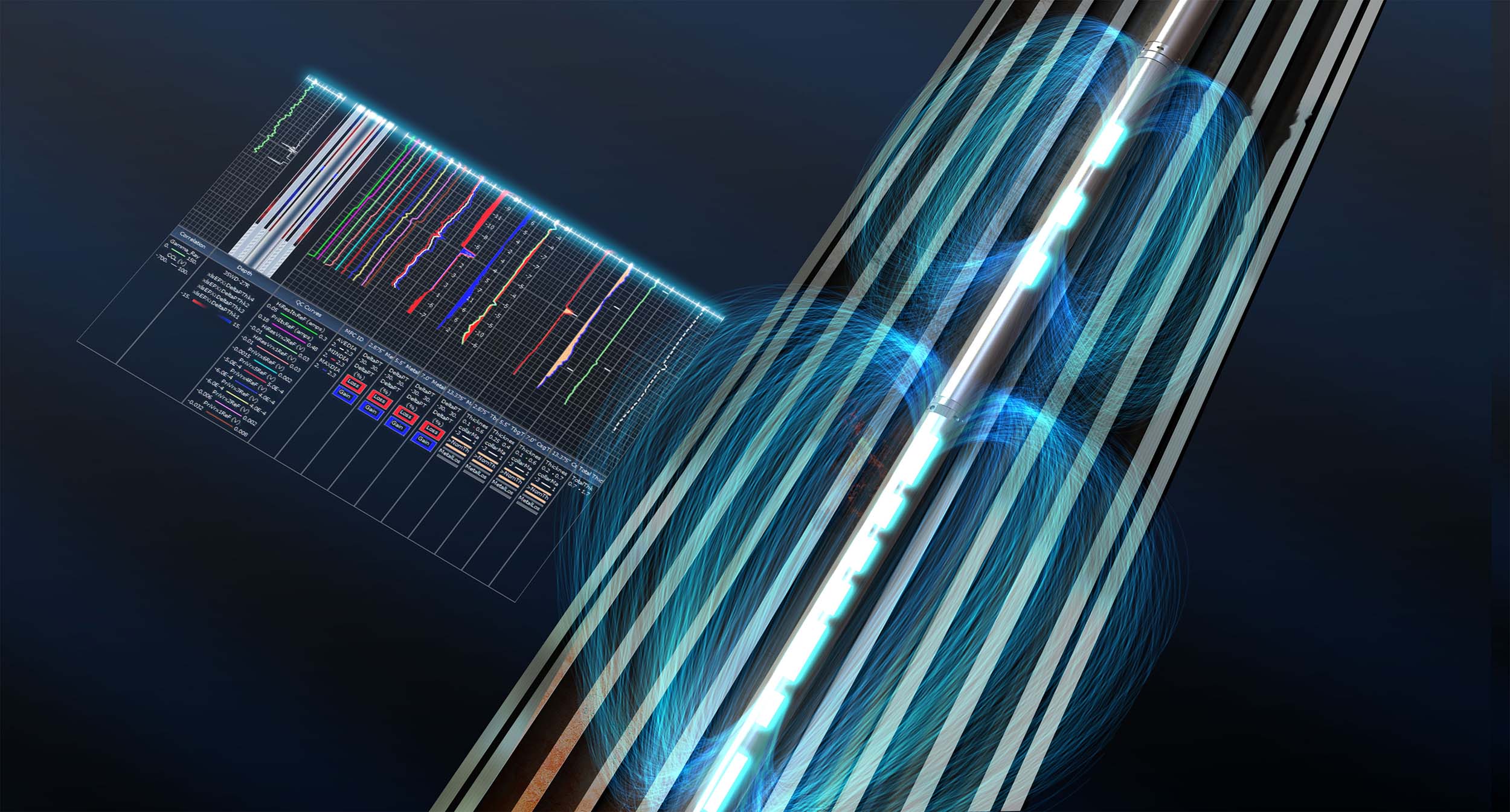
The customer’s oolitic reservoir presented two primary challenges. First, high-salinity water within microporous structures attenuated openhole resistivity, which caused traditional log-based models to significantly overestimate water saturation. Second, the reservoir’s complex pore systems rendered conventional Capillary Pressure and Resistivity Index (PcRI) experiments impractical due to prolonged equilibration times, which limited the availability of timely and reliable core data needed to calibrate and validate the affected saturation models.
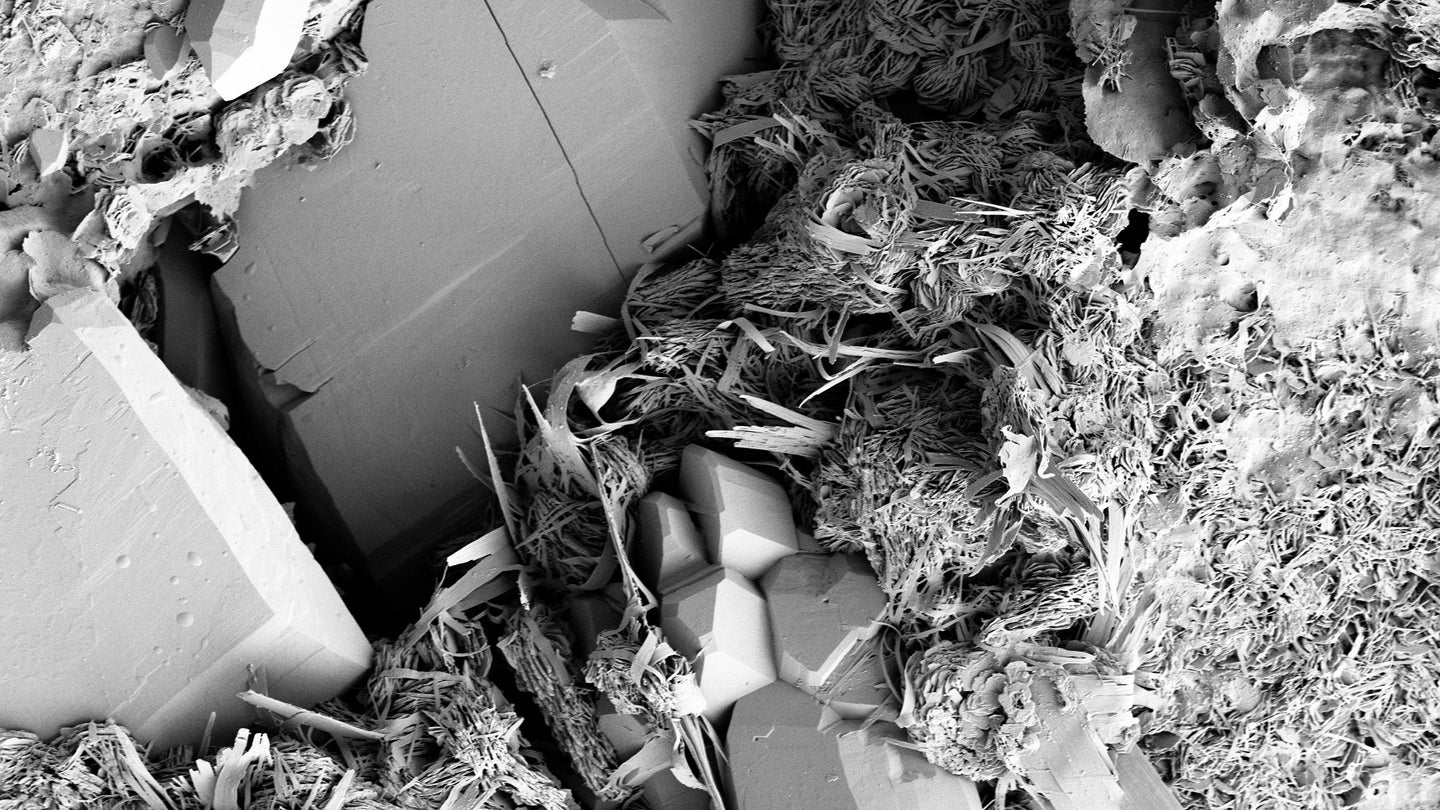
To overcome these issues, Halliburton implemented a novel workflow that integrated traditional core analysis and FastSCAL® digital special core analysis simulations with advanced resistivity modeling. The solution included whole-core dual-energy CT scanning to identify representative rock types and establish a framework to upscale subsequent properties. In addition, porescale MicroCT and FIBSEM imaging built digital twins of each rock type. Lastly, Digital PcRI simulations derived variable saturation exponents and developed a new resistivity saturation transform. The solution delivered properties tailored to each rock type’s unique pore structure, which accurately refined saturation interpretations.
Core analysis program designed to overcome challenges
Digital results validated
Production avoided amid testing
Uplift in oil saturation achieved
This integrated digital workflow yielded substantial improvements in reservoir characterization. Digital imaging and quantitative analysis confirmed the operator’s hypothesis that the fine concentric laminae of the ooids attenuate resistivity readings.
With the ability to map and measure properties in both the macro- and microporous structure of this reservoir, the operator could overcome formation evaluation challenges.
Oil saturation in the LRP interval increased from 0.4 to 0.6, which represented a 50% uplift. This provided a significant boost to the original log-based estimates. More notably, subsequent formation testing did not produce water, which validated the revised interpretation and confirmed the presence of producible hydrocarbons in zones previously considered marginal.
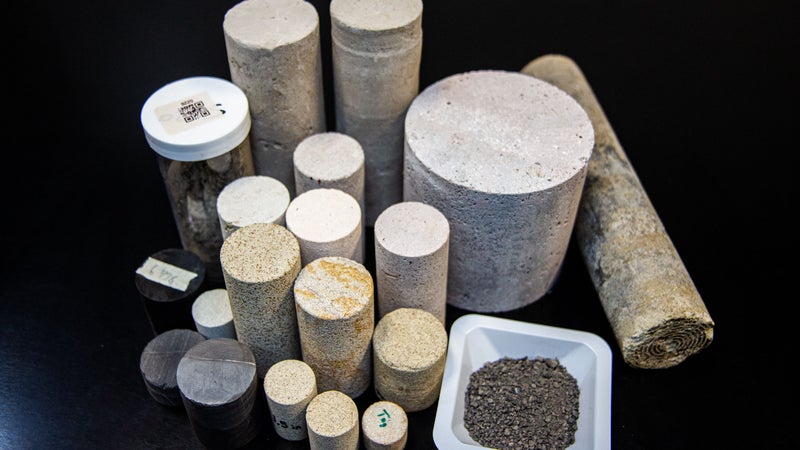
Integrated rock analysis provides the link between downhole measurements and physical properties of the reservoir, including those that control fluid flow.
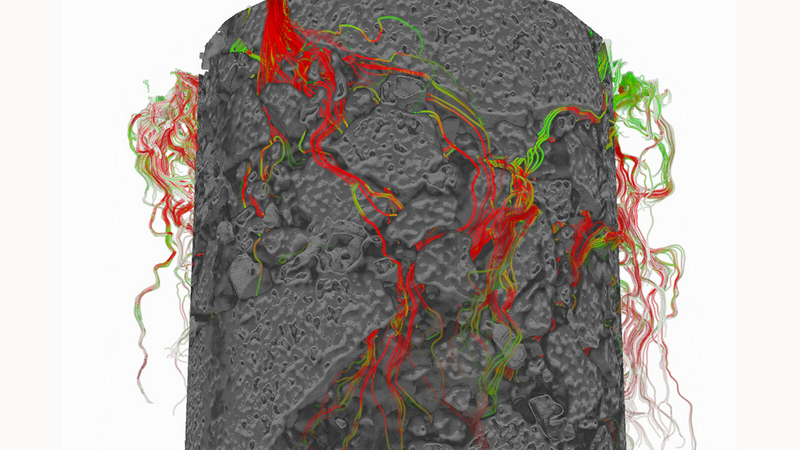
Reduce uncertainty and turnaround time for estimations of hydrocarbons in place using fast capillary pressure and resistivity index relationship services