Customized chemical solution enables safe, efficient tieback retirement without disrupting multi field production
Mature Fields

Multi field production constraints

North Sea

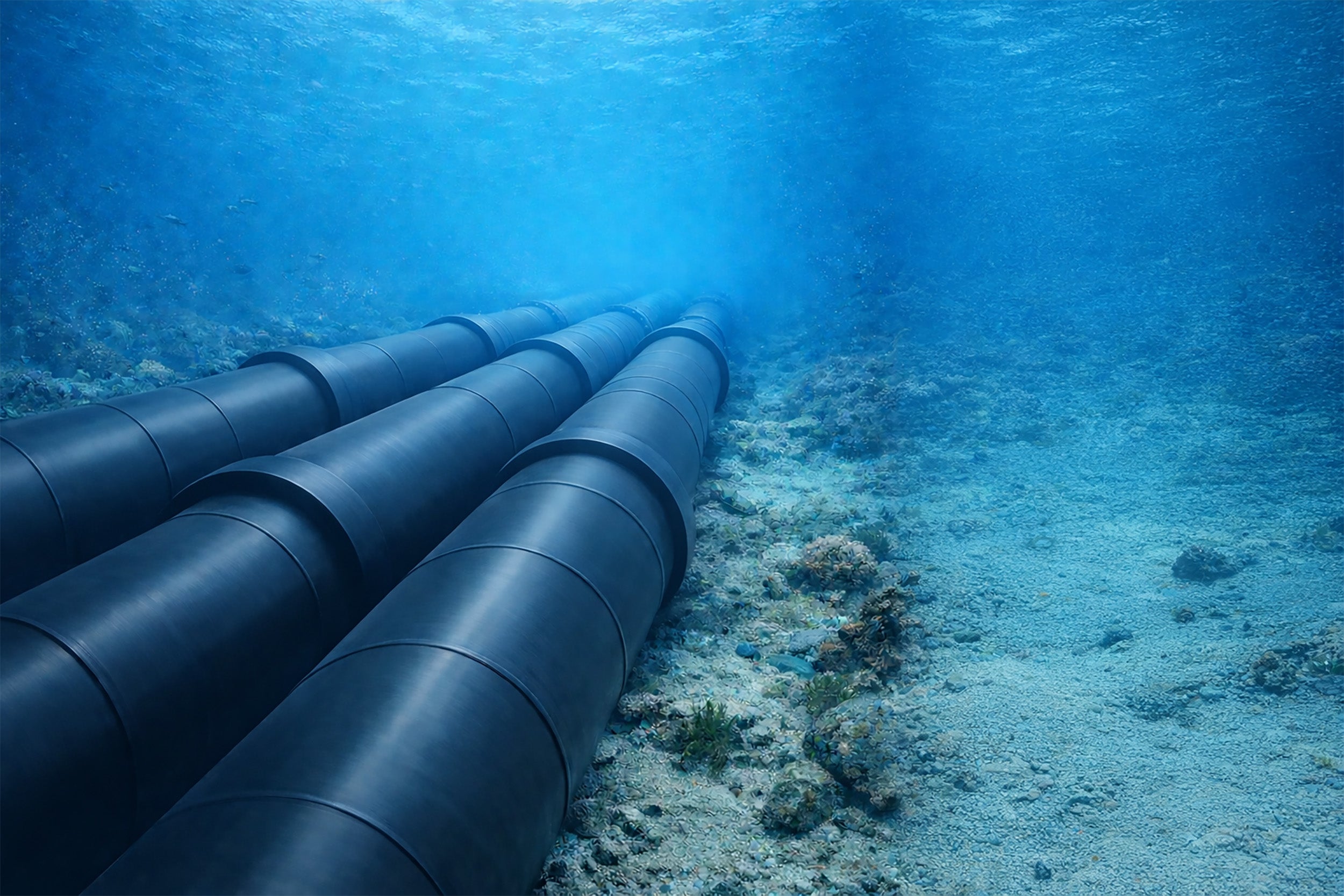
As offshore assets mature in the North Sea region, operators face increasing pressure to retire aging subsea infrastructure without disruption to active production. In the Norwegian sector, one operator needed to retire two non‑piggable 8‑in. and 12‑in. pipe‑in‑pipe (PiP) subsea tieback systems connected to a large multi‑field processing complex that continued to receive hydrocarbons from more than four producing fields. The operator required a decommissioning method that minimized operational risk, avoided the use of costly marine assets, protected export quality, and met strict Norwegian decommissioning regulations.
To meet these requirements, Halliburton collaborated with the operator to design a tailored chemical gel system capable of displacing hydrocarbons subsea and transferring fluids into a designated disposal well. The solution crosslinked the gel subsea, eliminated the need to route hydrocarbons topside, and broke the gel within a short, defined interval ahead of the disposal‑well choke. This approach allowed the operator to retire the pipelines with no effect on host‑facility operations or ongoing production.
The operator faced a core challenge: the need to decommission subsea pipelines tied to a producing facility without any effect on ongoing operations, export quality, or processing requirements. Traditional methods— such as the routing of hydrocarbons to topsides, the use of mechanical pig trains, or the transfer of fluids to an oil tanker—were technically viable but carried unacceptable risk, cost, or schedule impact.
Additional complexities that increased the difficulty:
Halliburton proposed an engineered crosslinked gel train as an efficient and low‑risk solution for the operation. The system design displaced hydrocarbons from the South to the North tree and into a disposal well without routing bulk fluids to the host platform.
A customized low‑residue gel system with a hydrate inhibitor, crosslinker, and buffer hydrated at a controlled rate formed a consistent structure in cold subsea conditions. Because the gel crosslinked subsea, the system flowed through the pipeline under the required parameters. A breaker solution reduced gel viscosity immediately before the gel reached the disposal‑well choke to support safe entry into the well and formation.
Halliburton completed extensive laboratory tests in Pune and Stavanger to determine optimal breaker concentration, timing, and viscosity reduction. Yard trials replicated subsea conditions, including the restricted choke geometry, and confirmed that the gel moved safely at required flow rates and that the breaker reduced viscosity within the limited subsea distance available.
The offshore phase used two vessels for pipeline flushing and gel placement, supported by the platform’s breaker‑injection capability. The team maintained communication across all locations to ensure coordination during simultaneous operations. The operation used 25 bbl of gel to complete the full decommissioning sequence.
Interruption of multi-field operations
Solution supported safe displacement of hydrocarbons
Accepted fluids at correct viscosity
The operator completed decommissioning the subsea tieback pipelines with no interruption to multi-field facility operations or export product quality. The customized gel solution supported safe, controlled displacement of hydrocarbons under subsea conditions and removed the need for PLRs, dive vessels, or tanker operations.
At project completion, both pipelines contained filtered seawater and met the cleanliness requirement of approximately 30 ppm oil in water. The disposal well accepted fluids at the appropriate viscosity, which confirmed correct gel‑break performance. The riser now contains chemically treated seawater to maintain long‑term integrity. The operator achieved a reliable and economically advantageous outcome that offers a reference for similar North Sea decommissioning projects.
SureGL™ gel systems provide unique solutions for pre-commissioning, flow assurance and decommissioning of pipelines and flowlines.
Maximize integrity and performance of your midstream assets.
A comprehensive range of services and technologies specific to the midstream asset life cycle from early design to end of life.