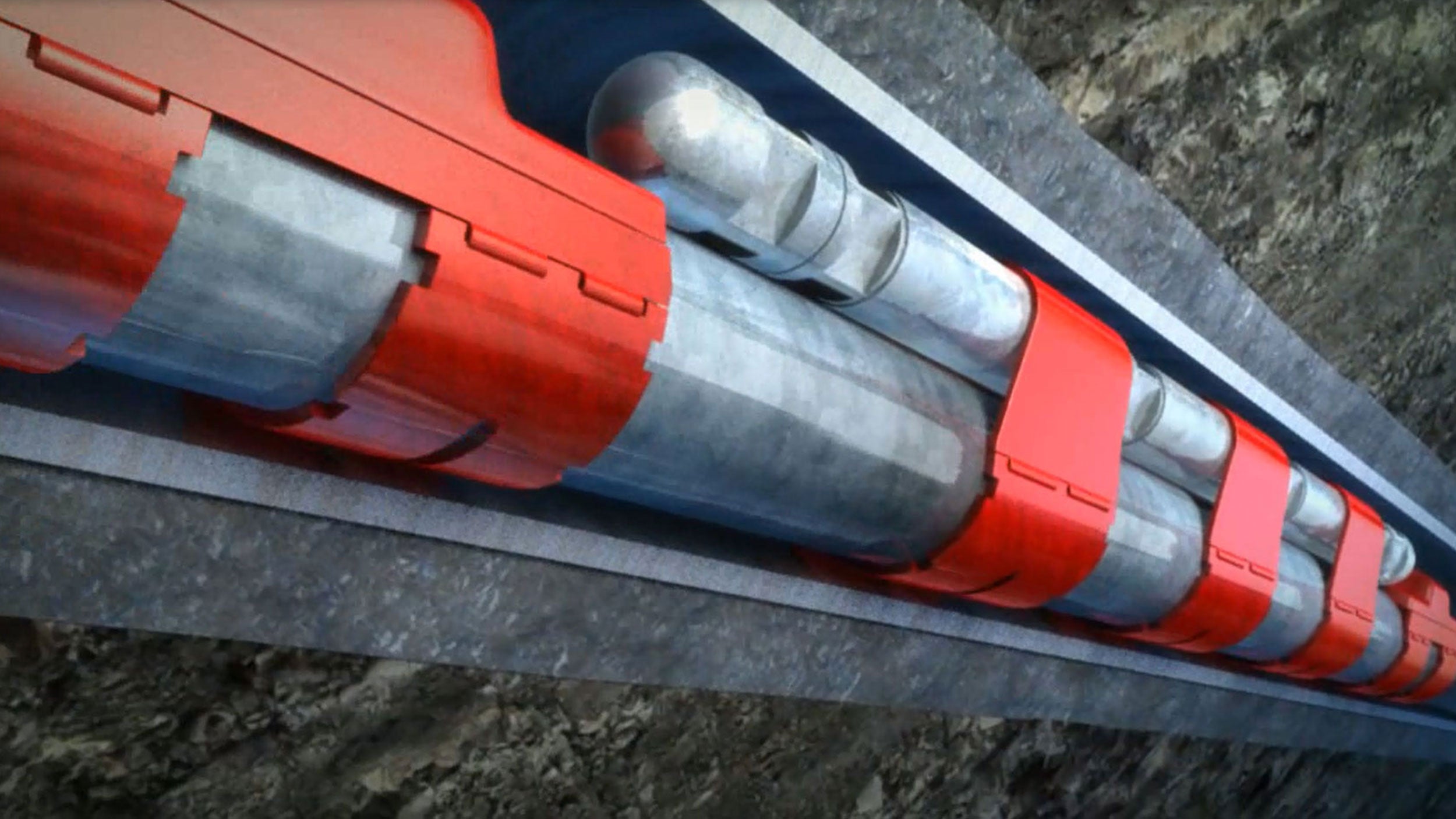
EV0‑Trieve™ bridge plugs and DynaLink® wireless acoustic telemetry system provide confirmed dual V0 barriers
Download PDFMature Fields

No pressure source available below deep barrier

North Sea
As part of a North Sea well abandonment program, an operator required two independent mechanical barriers to allow temporary well suspension before Christmas tree removal and blowout preventer (BOP) installation. The operator required a reliable solution deployable on slickline that could confirm barrier integrity in the direction of flow, without the capability to apply pressure below the deep-set plug. Halliburton delivered a combined mechanical and monitoring system that provided remote verification of both barriers and helped reduce operational time.
The operator had to kill the well before installation of the mechanical barriers. However, the existing well architecture introduced several constraints. A restriction below the tubing retrievable subsurface safety valve (TRSSSV) prevented the use of a conventional deep-set plug. With the well killed, the operator could not apply pressure below the deep barrier to verify integrity in the direction of flow. Additionally, the shallow plug needed to be set only 95 ft above the deep-set plug, which created a limited test volume and complicated pressure response interpretation. These combined factors increased operational risk and the potential for delays.
Halliburton proposed slickline deployment of the EV0-Trieve™ retrievable bridge plug with the DynaLink® wireless acoustic telemetry system suspended directly below each plug. The EV0-Trieve plug provided an API 11D1 V0 mechanical barrier, and the DynaLink system provided continuous pressure measurement below each plug without intervention. The EV0-Trieve plug design allowed the team to suspend gauges without any modification, so the team selected a standard slickline crossover to connect the gauge assembly.
The team deployed and set both plugs at 422 ft and 327 ft in two slickline runs. Each bottomhole assembly included an integrated junk basket, which allowed the team to install the plug, place the gauge, and capture debris in a single trip. During pressure tests, the DynaLink system transmitted real-time pressure data from between the plugs to verify plug integrity. When the operator applied 390 psi during the low test and 1,450 psi during the high test above the shallow plug, the gauge recorded minor pressure increases—2 psi and 5 psi, respectively—which indicated that both plugs held pressure as designed.
Time minimized
V0 barriers confirmed remotely
Slickline runs
The plug installations and remote monitoring were completed efficiently, which allowed the operator to verify both mechanical barriers without additional interventions. Real-time wireless pressure data increased operational assurance and helped remove the requirement for complex test interpretation workarounds. The integrated BHA reduced rig time by allowing installation of the plug, gauge repeater, and junk basket in two runs instead of multiple trips. The operator achieved verifiable barrier placement that met regulatory requirements and minimized operational risk and downtime.
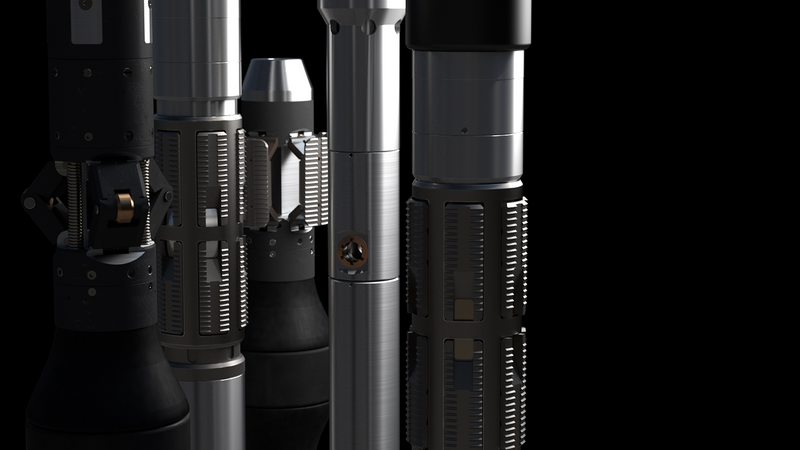
Customizable intervention solutions for wellbore remediation reduce well time and costs.