Operator reaches TD through severe losses using robust expandable liner hanger system
Download PDFMature Fields

Perform blind‑hole drilling with liner in rotary mode
Gulf of America

A major operator in the Gulf of America faced a high‑risk reservoir interval where total losses were anticipated while drilling. To avoid formation damage, minimize nonproductive time (NPT), and maintain wellbore stability, the operator elected to drill blind through the entire reservoir section using a liner. This approach required a system designed to help support high torque, pressure integrity, and mechanical strength under extreme loss conditions.
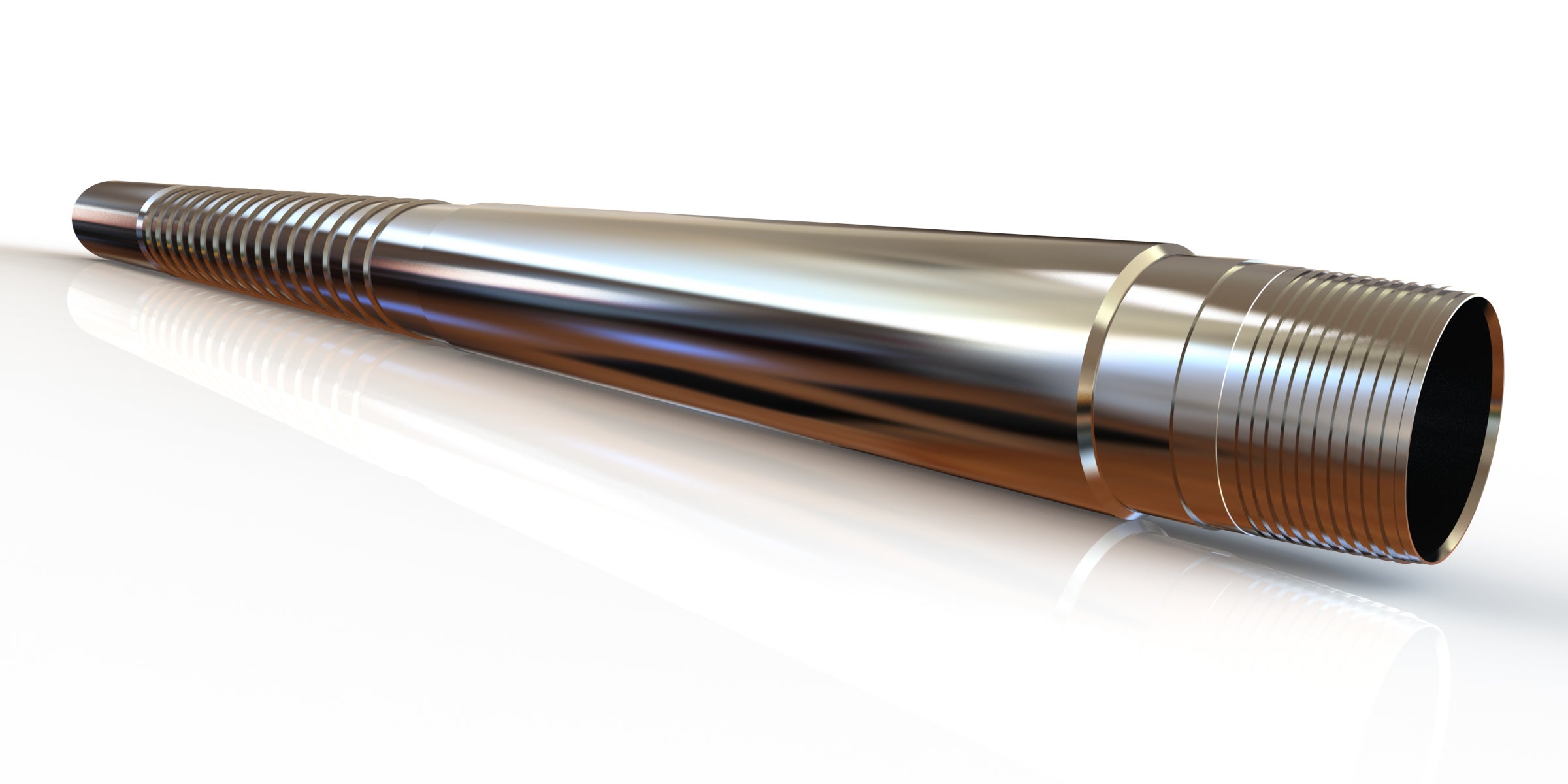
The operator selected the XtremeGrip® expandable liner hanger (ELH) system intended to support operational reliability to safely reach target depth (TD). The technology is designed to help sustain high torque and support zonal integrity as a critical enabler for successful blind‑hole drilling in a challenging environment.
The reservoir interval presented a high‑risk environment where the operator expected severe lost circulation, stuck‑pipe exposure, and deviation issues. The well plan required the liner to rotate in blind‑hole conditions, which created elevated torque and weight‑on‑bit (WOB) demands on the system. The operator also faced the possibility of total losses throughout the entire section, increasing the risk of nonproductive time (NPT) and formation damage.
The operation required a liner‑based approach designed to help withstand loss conditions, maintain hole quality, and support mechanical integrity under fluctuating pressures. Regulatory requirements, including the 300‑ft limit for blind drilling with losses, further constrained the operational window.
To succeed, the operator required a liner hanger system that could transmit high torque, anchor securely in the parent casing, and help support sealing integrity while advancing through an unstable formation.
Halliburton deployed the XtremeGrip® ELH system with high‑torque capacity to support blind drilling through the loss‑prone reservoir interval. The system provided mechanical strength designed to meet operational needs to rotate the liner through new‑hole and rat‑hole sections under severe loss conditions. It also helped support sealing integrity and consistent performance while the operator advanced toward target depth.
The XtremeGrip ELH system was designed to help support circulation at higher pressures than those supported by alternative liner‑hanger systems. This capability helped the operator manage differential pressure and fluid losses more effectively while continuing to drill ahead. The expandable anchoring design is intended to support a bidirectional set in the parent casing even when hydrostatic support remains low.
High‑pressure‑rated running tools supported the operation by transmitting torque up to 25,000 ft‑lb and weight‑on‑bit (WOB) up to 35 kips throughout the blind‑drilling phase.
After the operator reached TD despite significant losses, the system anchored immediately against the bump plug and helped establish isolation to prepare the well for cement operations. The XtremeGrip ELH is designed to support structural integrity throughout the operation and support cement placement even while the well lost an additional 4,000 bbl of fluid.
million USD saved
Reached with 0 NPT
ft drilled through reservoir section
Days rig time reduced
The operator drilled more than 175 ft through the reservoir section under total-loss conditions and reached TD with zero NPT. The XtremeGrip ELH system allowed for consistent progress through the interval despite continuous losses, and the system helped support torque and WOB control throughout the blind‑drilling phase.
After the operator reached depth with approximately 6,700 bbl of cumulative losses, the team cemented the liner while the well continued to lose an additional 4,000 bbl. The operation remained within the 300‑ft regulatory limit for blind drilling with losses and complied with BSEE requirements. The ELH expanded immediately against the plug and helped establish isolation of the wellbore.
The operation reduced rig time by eight days and lowered overall cost by approximately USD 4 million, which allowed the operator to access the reservoir efficiently despite extreme loss conditions.
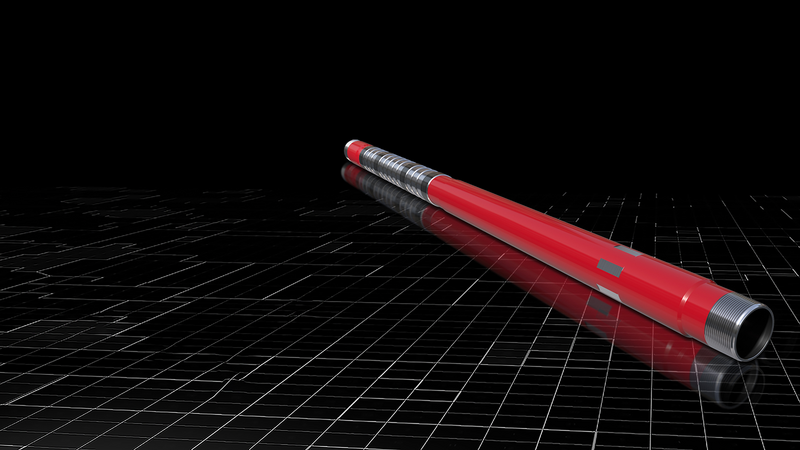
High-performance ELHs with enhanced hang-weight capabilities in elevated temperatures