Help cure losses during primary cementing and reduce cement fall back to achieve planned top of cement and avoid costly remedial cementing
talk to an expertAchieving planned top of cement (TOC) remains one of the most critical objectives in primary cementing. Severe to total losses can prevent cement from reaching the desired height, increasing the risk of cement fallback and additional remediation. Failure to achieve TOC may also create well integrity concerns and regulatory complications.
Operators working in fractured, vugular, cavernous, and highly porous formations often face these challenges because conventional lost circulation materials may have limited success in curing losses while cementing.
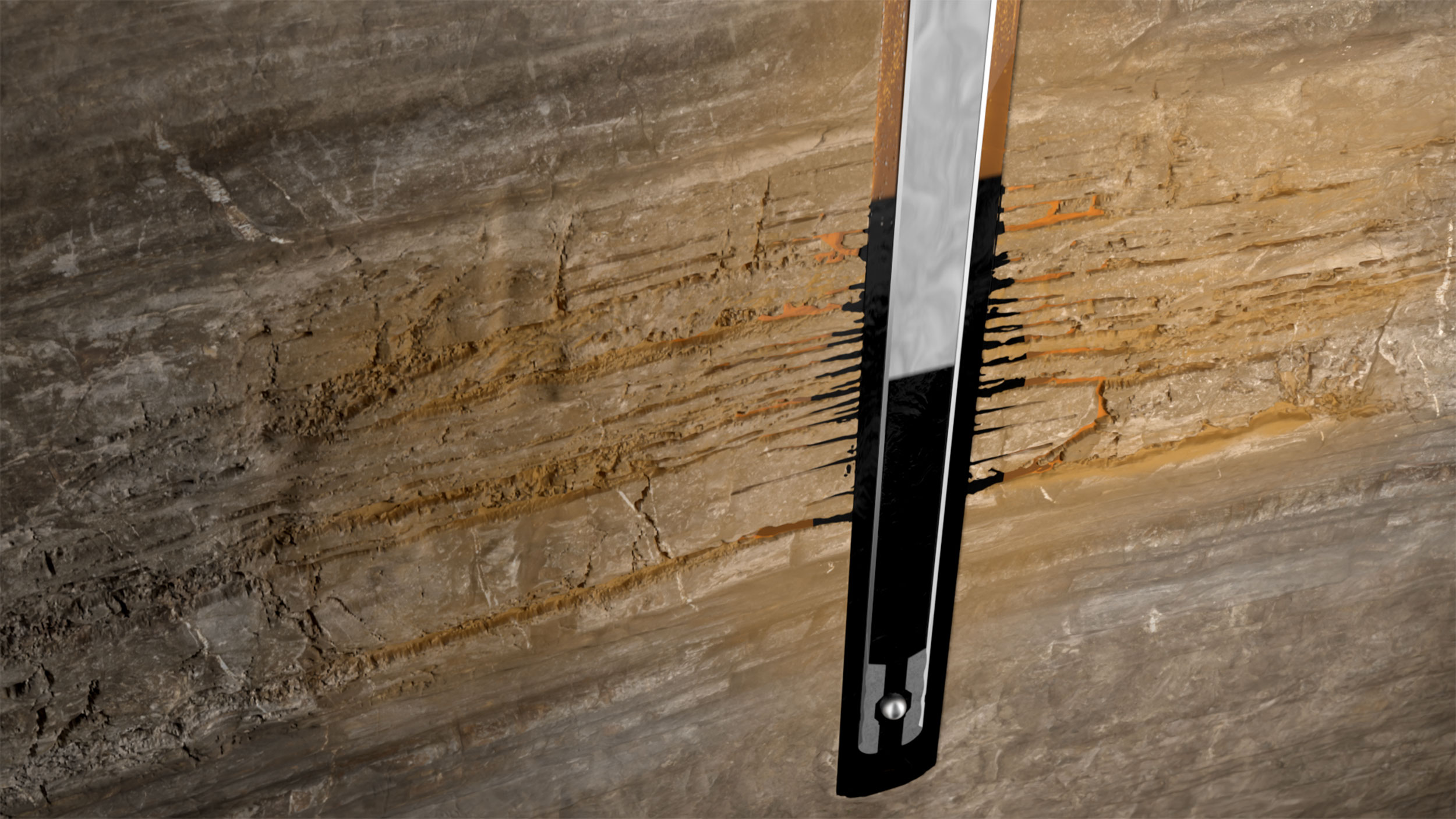
The SentinelCem Shield™ cement system is a thixotropic cement solution designed to help address losses during primary cementing. Pumped ahead of lead cement, it helps cure losses, reduce cement fallback, and helps achieve planned TOC while supporting long-term well integrity.
A proactive plan to cure losses is critical before losses compromise cement placement. Once cement coverage is affected, operators often face additional cost, operational complexity, and remedial work that can extend well construction activities. The challenge is not simply managing losses. It is avoiding the consequences that follow when planned TOC is not achieved.
Engineered thixotropic properties allow the slurry to remain fluid while pumping and rapidly build gel strength when shear rate decreases or stops. This response helps reduce fluid flow into loss zones while supporting more effective cement placement. When shear resumes, the slurry returns to a flowable state and can withstand multiple slow down hesitation cycles during placement.
This approach allows operators to address severe to total losses as part of the primary cementing program, before cement coverage is compromised.
Failure to achieve planned TOC can trigger additional remediation, increase operational costs, and create new well integrity concerns. For many operators, preventing these outcomes is an important focus area to ensure a successful cement job.
By helping cure losses and reduce cement fallback, the system supports planned cement coverage before remediation becomes necessary. Early compressive strength development also supports zonal isolation and allows the material to function as an annular barrier if it is not circulated out of the well.
Operators can focus on achieving planned TOC during the primary cement job rather than correcting a missed objective later.
Loss events do not always follow a predictable plan. When conditions change, crews need options that fit within the existing cementing program rather than requiring a complete redesign.
The solution supports dry-blend mixing, prehydrated additive mixing, on-the-fly mixing, and batch mixing. This flexibility helps simplify deployment decisions and allows integration into existing operations using the approach best suited to field conditions.
Packaged in 50-lb sacks for convenient and proactive rig-site storage, the additive can be deployed in offshore and remote environments where rapid response to loss events may be required.
Laboratory evaluations demonstrated controllable gel-strength development, thickening time, and early compressive-strength development across a range of operating conditions. Testing also demonstrated compatibility with various cement types and challenging water chemistries.
The system was evaluated across slurry densities from 10 to 15 lb/gal and bottomhole circulating temperatures (BHCT) from 80 to 210°F. Laboratory testing also demonstrated compatibility with water sources containing high concentrations of sodium, calcium, magnesium, chloride, and sulphate, as well as cements containing preblended potassium chloride and seawater.
| Specification | Value |
|---|---|
| Slurry density | 10 to 15 lb/gal |
| Bottomhole circulating temperature (BHCT) | 80 to 210°F |
| Packaging | 50-lb sacks |
| Mixing methods | Dry blend, prehydrated additive, on-the-fly mixing, batch mixing |
| Water compatibility | Compatible with high concentrations of sodium, calcium, magnesium, chloride, and sulphate |
| Additional compatibility | Preblended potassium chloride and seawater |
| Application | Severe to total losses during primary cementing operations |
| Application types | Multizone fracturing, plug-and-perf, cemented, and openhole completions |
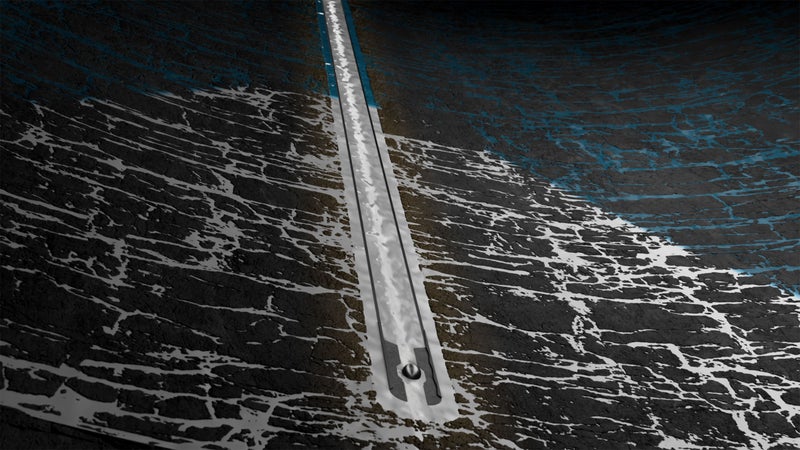
Halliburton lost circulation solutions minimize well control problems caused by seepage to total lost circulation.
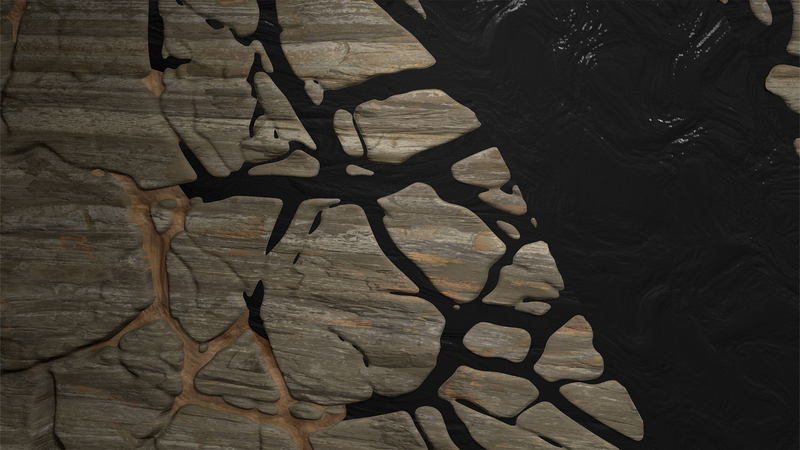
SentinelCem Pro™ cement is a unique, single-sack lightweight lost-circulation solution that enables proactive storage at the rig site to cure severe to total losses.