
The drilling industry has never lacked data. The industry collects geological measurements, drilling parameters, directional surveys, and performance metrics at an unprecedented scale. Each system delivers valuable insight. Yet the challenge remains on how to turn that insight into timely decisions that consistently improve drilling performance and reservoir contact.
A geological update may reveal a change in the reservoir or an opportunity to improve well placement. But the industry must turn that insight into the right drilling response to capture its full value. When subsurface intelligence and drilling execution operate in separate workflows, teams delay decisions, apply them inconsistently, and reduce drilling performance and reservoir contact. Even in highly digital environments, more data does not automatically produce better decisions or result in more consistent execution.
This challenge has shaped well construction for decades. Companies invested heavily in better sensors, faster data transmission, advanced analytics, and sophisticated drilling automation. These advances improved visibility and increased operational awareness. Yet many organizations still struggle to connect subsurface insight directly to execution at the rig.
The next phase of drilling automation requires a different approach. The industry no longer needs isolated systems that excel within a single discipline. Instead, it requires a connected platform that aligns geology, well placement, drilling performance, and execution objectives within a unified operating model.
This shift marks a fundamental change in how teams think about automation. Early automation efforts focused on task execution, such as calculations, equipment functions, and discrete optimizations. Each innovation delivered value, but most solutions addressed a specific activity rather than the broader decision chain.
Today, operators face a more complex challenge. Wells must reach increasingly precise targets. Reservoirs demand greater placement accuracy. Teams must maintain drilling efficiency while responding to changing subsurface conditions in real time. Success depends on the quality of decisions and the speed at which organizations translate information into action.
This reality propels the evolution toward connected drilling systems that integrate interpretation, decision support, and execution. The release of LOGIX™ GO Automated Geosteering and Orchestration, part of the LOGIX™ automation and remote operations family of solutions, reflects this evolution, as it connects geosteering, drilling automation, and well placement within a single platform. The system incorporates real-time subsurface information; evaluates the optimal well path, drill parameters, and constraints; and orchestrates execution against drilling and reservoir objectives. This approach reduces the gaps that often exist between interpretation and response.
When geological conditions change, the value comes from the ability to understand the implications of that change and respond with confidence. A connected decision environment allows teams to move from observation to action with greater speed and consistency.
The implications for connected drilling systems extend beyond operational efficiency. As drilling programs grow more complex, organizations must scale expertise across assets, crews, and geographic regions. Experienced personnel cannot participate in every decision. Operators need systems that help teams make better decisions consistently regardless of physical location or organizational structure.
LOGIX™ GO Automated Geosteering supports that objective. When subsurface intelligence, drilling objectives, and execution parameters operate within the same framework, teams gain a shared view of the well. They can evaluate tradeoffs more effectively, respond to uncertainty more quickly, and maintain alignment around common objectives. This results in consistent performance in well delivery, which may prove more important than a one-off optimization.
Many digital initiatives focus on incremental performance gains. Those improvements matter, but inconsistent execution often creates more risk than a small gap in optimization. Operators achieve stronger outcomes when they repeat success throughout an entire drilling program rather than achieve exceptional performance on a small number of wells. Connected decision systems help make that repeatability possible.
Recognition programs often highlight technologies that address the industry's most persistent challenges. LOGIX GO Automated Geosteering 's selection as a finalist in the Gulf Energy Excellence Awards for Best Controls, Instrumentation, Automation Technology - Upstream reflects the increased industry focus on connected systems that unite subsurface intelligence and drilling execution.
The recognition matters not because it celebrates a single technology, but because it signals a broader shift in how operators approach automation. The industry no longer seeks isolated digital capabilities. It seeks solutions that help teams make better decisions and act on them faster.
The future of drilling automation will not depend solely on faster calculations, more data, or additional autonomous functions. The greatest opportunity lies in the connections between disciplines, decisions, and execution.
The industry has already demonstrated what automation can accomplish within individual tasks. The next challenge is far more ambitious. The industry must connect subsurface intelligence directly to well construction execution and eliminate the delays, handoffs, and disconnects that slow decision-making. When information, insight, and action operate as a single system, drilling teams can focus less on transferring knowledge and more on delivering wells.
LOGIX GO Automated Geosteering offers a glimpse of what becomes possible when the industry closes the gap between decisions and execution. Contact an automation and remote operations expert to learn more.
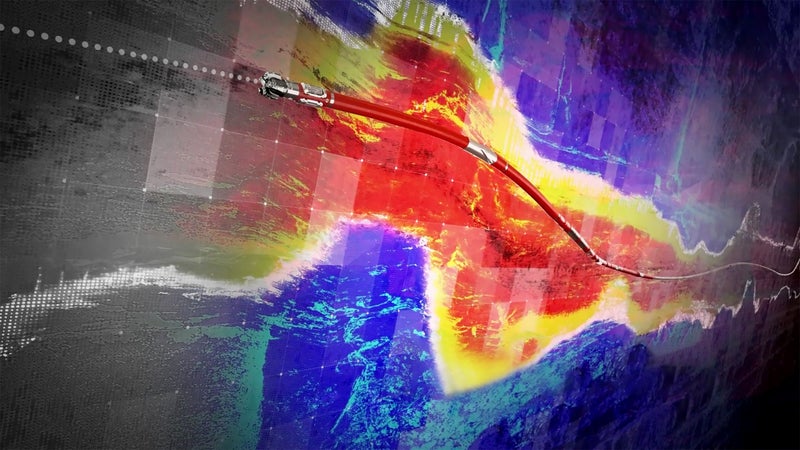
LOGIX™ automated geosteering redefines geosteering precision through automation, real-time intelligence, and advanced geological modeling to optimize well placement and maximize recovery.

Increase the consistency and performance of well construction operations by integrating subsurface automation, digital twins, and remote operations
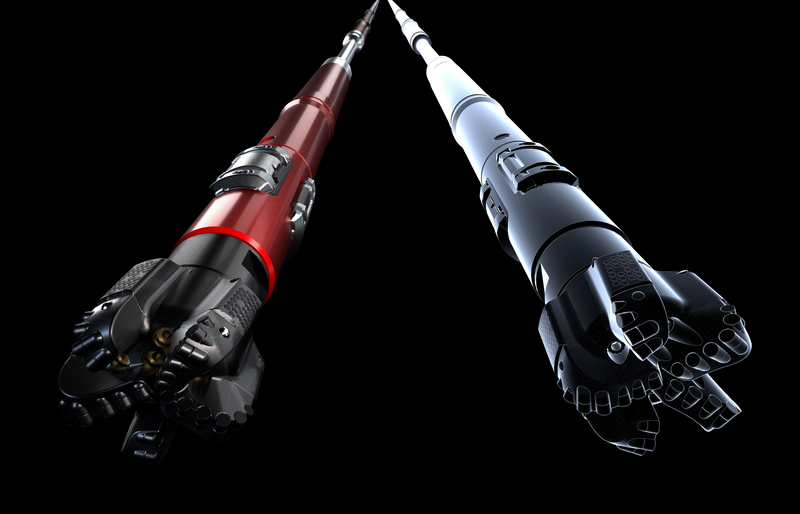
Offers a digital transformation of drilling solutions to reduce operational risks and ensure consistent well delivery.