Innovation extends beyond improvement. It challenges convention and delivers purposeful change through smarter solutions. In the North Sea, Halliburton teams achieved a breakthrough in cementing technology. Offshore operations reached a new carbon reduction milestone with the NeoCem E+ system.
Halliburton set out to solve a clear challenge: maintain the integrity and performance of well barrier systems and help reduce CO₂ emissions associated with cement operations. The solution is required to complement the future viability of carbon capture, utilization, and storage (CCUS). The NeoCem E+ system, a custom cement blend designed for North Sea conditions, meets these requirements and holds potential for broader regional use.
Since its introduction, Halliburton deployed the NeoCem E+ system in the North Sea on more than 135 jobs and pumped more than 8,400 m3 of cement slurry, mobilizing more than 8,500 t of material. These efforts, aggregated among all North Sea operator deployments, delivered a 45–65% reduction in CO₂ emissions per unit volume pumped, equal to an estimated 3,000–5,000 t of CO₂e saved.
The system supports Halliburton’s tailored barrier approach to allow formulation selection that matches North Sea well architecture, environmental requirements, and operational objectives.
The NeoCem E+ system complies with the NORSOK D-010 standard for barrier materials to support safety and reliability. Its lower carbon footprint is achieved through an innovative blend of conventional Portland cement and alternative supplementary cementitious materials, which sets it apart from other blends.
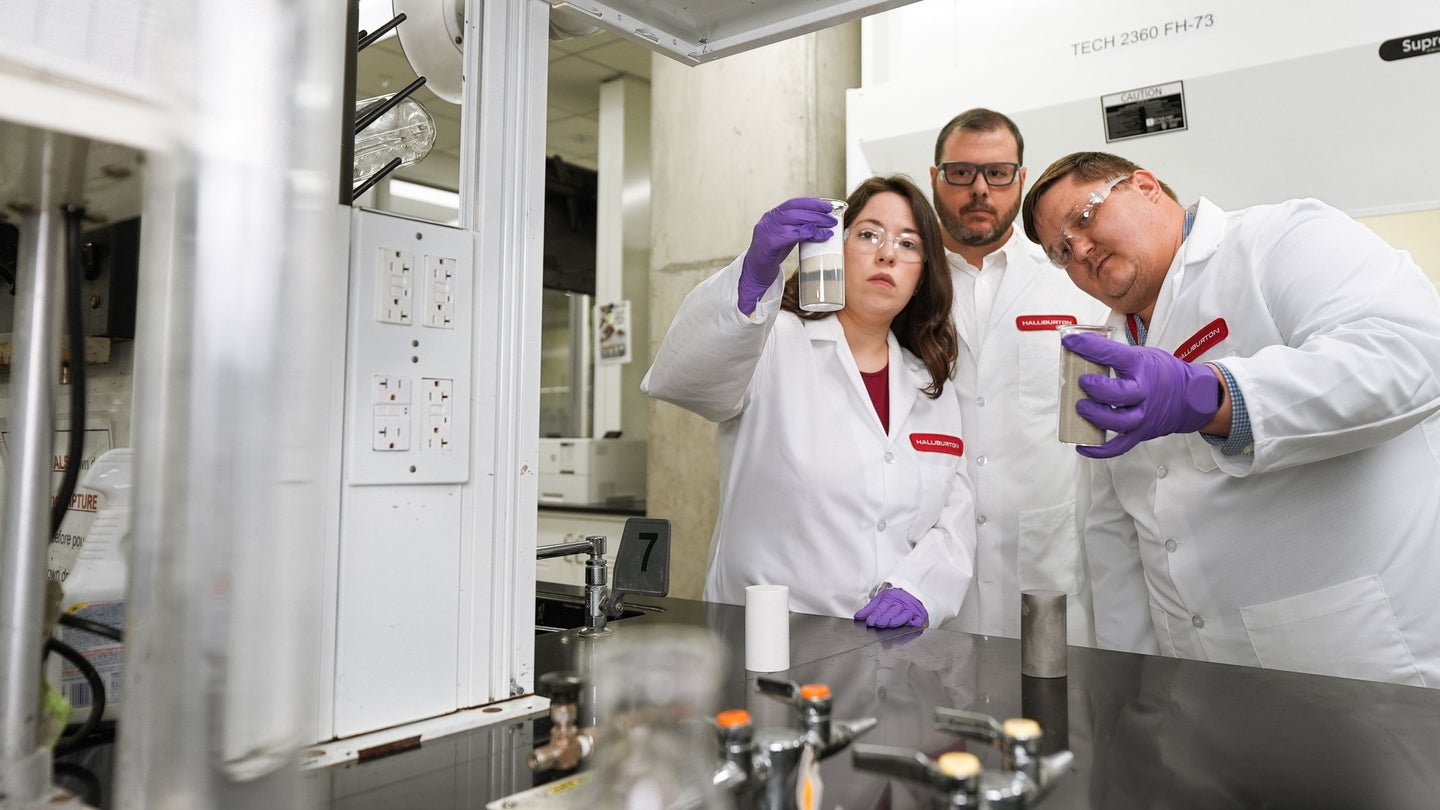
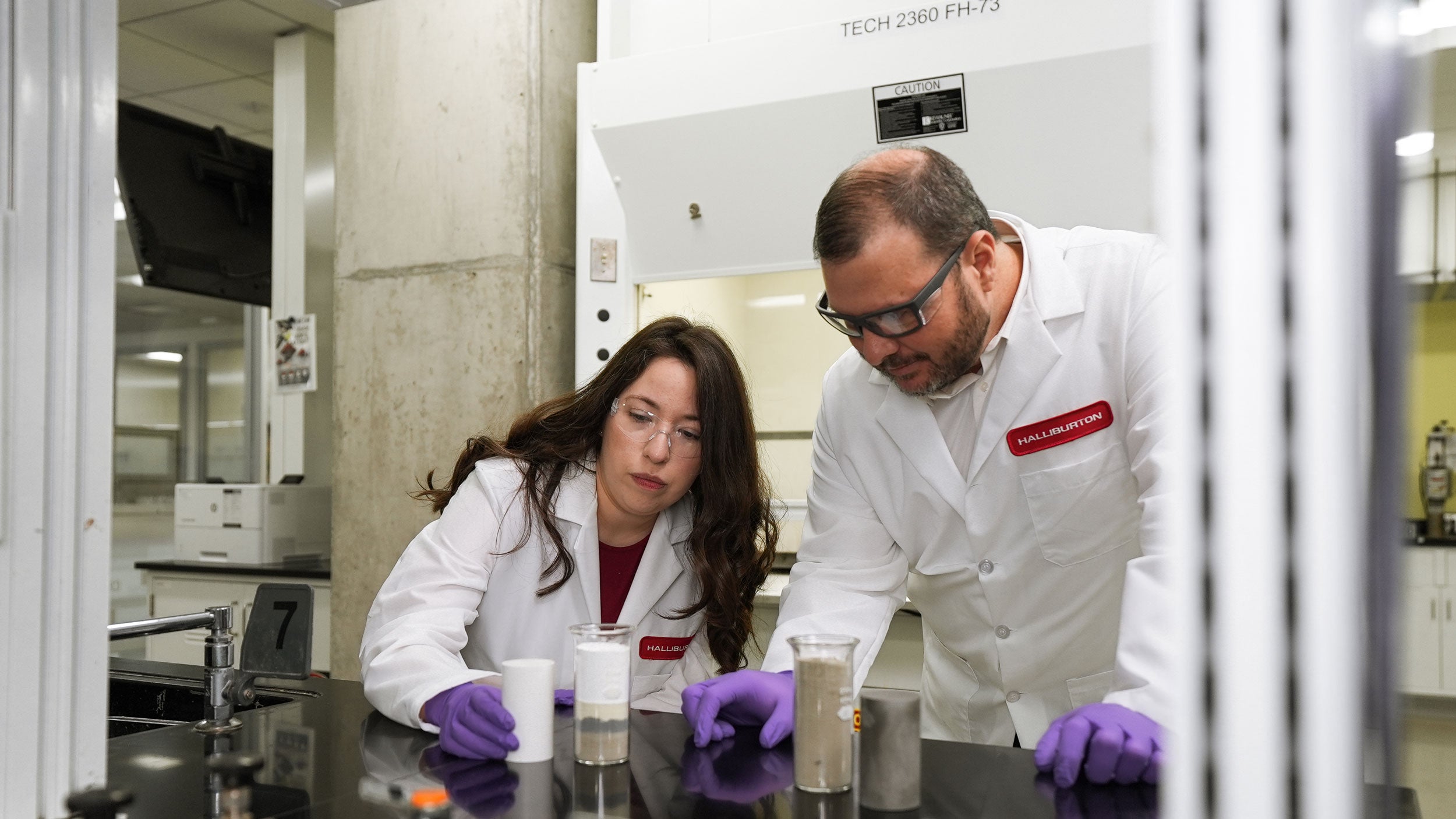
Halliburton selected these materials through a comprehensive project that mapped all viable options within a reasonable logistical distance. After rigorous tests that included long-term qualifications, yard trials, and offshore field tests, the team selected the best-performing combination. The final blend meets technical requirements and helps lessen its environmental effect.
The NeoCem E+ system exemplifies how targeted material science and rigorous qualification can deliver a cement solution that meets North Sea environmental regulations without a major influence on rig efficiency.
Development of the NeoCem E+ system for the North Sea required deep collaboration, technical precision, extensive laboratory testing, and strong engineering expertise. Technology teams in Houston worked closely with field technical advisors in Norway. The journey from the lab to the offshore rig succeeded through close cooperation between Halliburton and Aker BP. Aker BP funded critical field-test phases and adopted the technology early, establishing NeoCem E+ NS as a preferred cement system in its operations. While Aker BP was an early adopter, the cumulative emissions reductions reported reflect multiple customer applications across the North Sea rather than a single operator. This dedication accelerated qualification and deployment, which demonstrated how strong collaboration turns innovation into a field-proven reality.
Decarbonizing our operations has long been a priority at Aker BP. Through our collaboration with Halliburton, we have taken a major step toward cement-less cementing with NeoCem E+ NS technology, which is now the default system in all Aker BP operations.
The collaboration included:
This end-to-end execution highlights technical expertise and the ability to deliver complex solutions within tight design constraints.
The introduction of the NeoCem E+ system in the North Sea came at the right time and offered a tangible, field-proven solution that aligns sustainability with high-performance outcomes. This accomplishment provides operators with a viable method to reduce carbon-emission baselines without relying on CCUS. Its use of locally sourced materials strengthens its advantage and serves as a key differentiator. Blends that rely on distantly sourced components may find that transportation emissions can offset the NeoCem E+ system's direct environmental benefits.
As the industry evolves, this innovative system sets a new standard for what is possible in lower-carbon cementing solutions and future operations in 2026. It represents a meaningful step forward for the North Sea and supports progress for the future of the global energy industry.
Visit advanced reduced Portland, high-performance cement systems to learn how Halliburton’s systems support lower-carbon cementing goals.
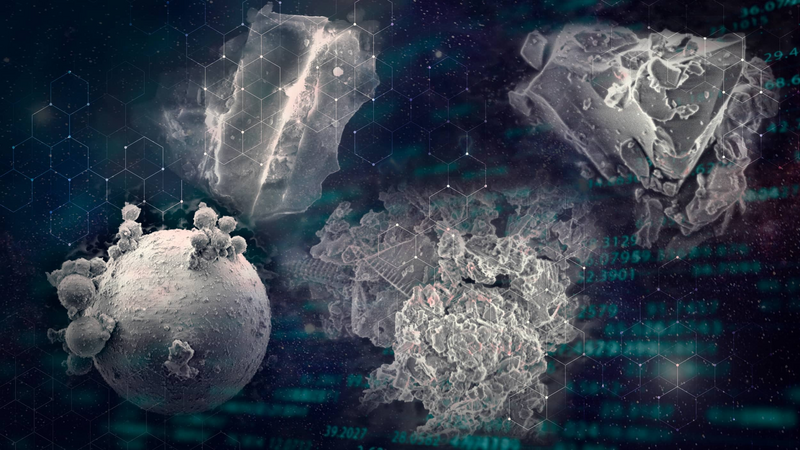
Reduced Portland content helps customers lower carbon emission baselines and provides engineered systems with enhanced barrier performance.
Meet the unique pressure, temperature, and property demands of each well.
Halliburton's low carbon solutions and technologies can help execute a balanced energy transition for a sustainable future